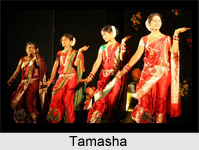
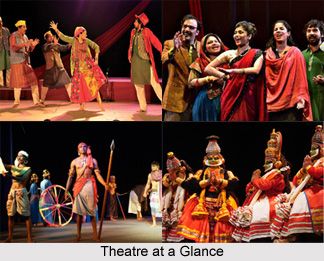
 India has a fastest and richest practice in theatre going back to at least 5000 years. Opening in the hub of the 19th century, it embellished in the 1950s and 1960s which includes various art forms like "Sangeet Natak" (Musical drama) and "Tamasha (folk dance)". Marathi Drama is always considered supreme in India just after the Bengali Dramas. The theatre personalities of Maharashtra rose in the summit of popularity in Pune and Mumbai, with the foundation of dramas by Vishnupath Bhave, who used passionate and tragic themes. There were many experimental plays, written in such a way that they rationalized the old medieval performance. Thus, the theatre personalities of Maharashtra are still a dominant community of artists in Western India and have become imbued with national self-awareness.
History of Marathi Theatre
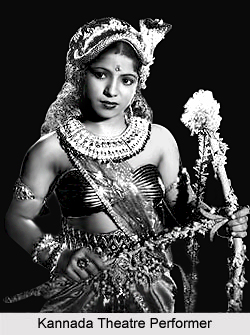
Influenced by Yakshagana, the theatre personalities of Maharashtra promoted traditional dance drama of rural Karnataka and the Marathi drama achieved a clear regional form by the middle of the 19th century. `Natak Companies` were then floated, with an addition of the Hindustani classical music and dance in Marathi plays that contained mythological and social themes, which became popular instantly. Even historical plays about the famous Marathi heroes like Shivaji.
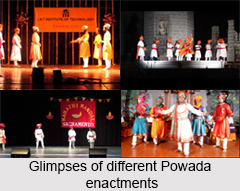
Later theatre personalities of Maharashtra presented humorous social plays, which later became a specialty of the Marathi stage. A leading contemporary theatre personality of Maharashtra, Mama Varerkar wrote social plays in a realistic style, attempting an amalgamation between European convention and Indian content. He gave a marvelous lead to the younger groups, which have been re-creating the Maharashtra village theatre through the Powada and the Tamasha. 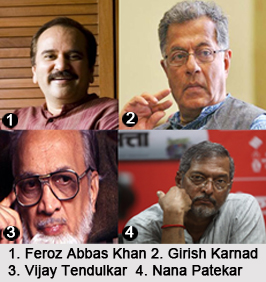
Theatre Personalities
Some of the famous theatre personalities from Maharashtra are:
Feroz Abbas Khan: Feroz Abbas Khan is theatre director and playwright. He has directed few movies and written screenplays for Bollywood. Some of his noted plays are - "Saalgirah", "Tumhari Amrita", "Salesman Ramlal" and "Gandhi virudh Gandhi". He is the first artistic director of the famous "Prithvi Theatre" in Mumbai. He made his film debut in 2007 with "Gandhi, My Father" which won the National Award and Filmfare Award along with other awards. He has worked with theater artists like Shabana Azmi, Kirron Kher, Anupam Kher and Farooq Sheikh.
Girish Karnad: Girish Raghunath Karnad (19 May 1938) is an Indian actor, film director, writer and playwright who primarily work in South Indian cinema and Bollywood. He worked as director of the Film and Television Institute of India (1974-1975) and chairman of Sangeet Natak Akademi, the National Academy of the Performing Arts (1988- 93). He appeared in the famous TV series "Malgudi Days" (1986-1987). He hosted the science magazine "Turning Point" on Doordarshan in 1990s. His Hindi movies include "Nishaant", "Manthan", "Swami" and "Pukar". He has acted in a number of Nagesh Kukunoor"s films - "Iqbal", "Dor", "8 x 10 Tasveer" and "Aashayein". He came back to Hindi movies after three years in Yash Raj Film`s movie "Ek Tha Tiger". He has won Padma Bhushan, Padma Shri, Jnanpith Award, Sahitya Academy award, Sangeet Natak Akademi award, Kalidas Samman etc.
 Vijay Tendulkar: Vijay Tendulkar (6th January 1928 - 19th May 2008). He was an Indian playwright, movie and television writer, literary essayist, political journalist, and social critic chiefly in Marathi. He is known for his plays "Shantata! Court Chalu Aahe" "Ghashiram Kotwal" and "Sakharam Binder". Tendulkar wrote screenplays for the movies "Nishant", "Akrosh" and "Ardh Satya". He was honored with the Sangeet Natak Akademi Award, National Film Award for Best Screenplay for Manthan, Padma Bhushan, Saraswati Samman, Kalidas Samman etc.
Nana Patekar: Vishwanath "Nana" Patekar born on 1st January 1951 is an Indian actor, writer and filmmaker, mainly working in Hindi and Marathi films. Some of his movies are - Gaman, Sinhasan, Aaj Ki Awaz, Salaam Bombay!, Raju Ban Gaya Gentleman, Tirangaa, Khamoshi: The Musical, Wajood, Ab Tak Chhappan, Apaharan, Bluffmaster!, Taxi No. 9211, Dus Kahaniyaan, Ek: The Power of One, Raajneeti, The Attacks of 26/11,Welcome Back, Shagird, Natsamrat etc. He has been awarded with Padma Shri, National Film Award, Film Fare Award, Star Screen Awards, Bengal Film Journalists` Association Awards, Zee Cine Awards etc.
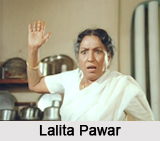
Lalita Pawar: Lalita Pawar (18 April 1916 - 24 February 1998) was an Indian actress who appeared in over 700 films in Hindi, Marathi and Gujarati cinema. Some of her movies include - Ram Shastri, Netaji Palkar, Sant Damaji, Mr & Mrs 55, Anari, Sampoorna Ramayana, Anand, Aaj Ka Ye Ghar, Yaarana, Naseeb, Pyaasi Atma etc. She received the Sangeet Natak Akademi Award and Filmfare Award.
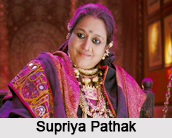
Supriya Pathak: Supriya Pathak Kapoor (born 7 January, 1961) is an Indian actress of film, television and stage. Some of her films include - Gandhi, Masoom, Sarkar, Delhi 6, Wake up Sid, Ramleela, Kis Kisko Pyaar Karun etc. She has appeared in many tv shows like - Khichdi, Baa Bahoo Aur Baby, Darpan, Jaane Kya Hoga Rama Re etc. She has won Filmfare awards, Indian Telly Awards, Zee Cine Awards etc.
Thus, the theatre personalities of Maharashtra left a powerful influence on the masses in spite of the appearance of movies in the third decade of this century.