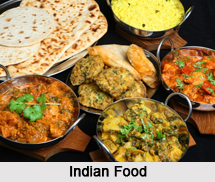
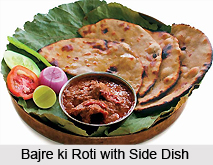
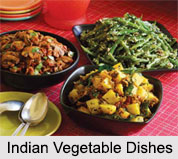
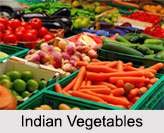
 Indian Vegetables are an indispensable ingredient of Indian food. Vegetables are naturally good and contain lots of minerals and vitamins. Vegetables are mainly served as side dishes with an Indian meal. But in Indian cooking, the place of vegetables is not restricted to only side dishes. Vegetables are turned into several forms of dishes ranging from appetizers, snacks, soups, main dishes, relishes, pickles, conserves, desserts, sweets, breads and beverages. Any type of vegetable can be cooked in all these forms, using different ingredients and techniques.
History of Indian Vegetables
The vegetables were present in the Indian cuisine since the Vedic era. The first vegetables mentioned in the Rig Veda are the lotus stem (visa) and the cucumber (urvaruka). Most of the vegetables are mentioned in the Ramayana. Vegetables in Indian food find their mention in Sanskrit and other literatures as well. Ancient literatures show the ways of preparation of many vegetables.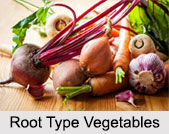 The "Manasollasa" uses the generic term "pude" for a delicacy of mixed fried vegetables folded into a turmeric leaf and then steamed; "Chavundaraya"s Lokopakara" mentions 31 vegetables in one chapter on cooking, and "Mangarasa"s Supa Shastra" has a long chapter on the cooking of vegetables.
Various Types of Indian Vegetables
After 1500 AD various vegetables of Indian food originated in foreign nations. These vegetables have become inseparable from the Indian cooking. Potato, tomato, papaya and the chilli all are essential to Indian cuisine. Moreover, vegetables like cabbage, cauliflower, lettuce, long orange carrots, French beans, haricot or navy beans (rajma) and the winged beans have also been introduced.
The major vegetables of India are those which are raised by ploughing, namely cereals, pulses and oilseeds. All these food grains find references in Sanskrit Vedic literature. The collective term for vegetables was "Shaka", which comprised five kinds. These were ripened vegetables, leaves, roots, flowers and pods.
Ripened Type Vegetables
Ripened type vegetables are those which come under the category of both fruits and vegetables. An example is tomato which is a "fruit" as well as "vegetables".
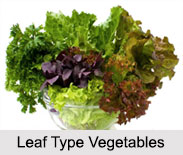 Leaf Type Vegetables
Leaf type vegetables are plant leaves that are eaten as a vegetable, sometimes accompanied by petioles and shoots. Most of the leafy vegetables come from herbaceous plants such as lettuce and spinach. Leafy vegetables have high nutritional value.
Root Type Vegetables
Root type vegetables are either roots or stems of the underground plants that are used as vegetables. The vegetables that are included in this group are sweet potatoes, carrots and beets. As they grow beneath the ground, they are highly nutritious, allowing them to absorb as many minerals and nutrients as possible.
Flower Type Vegetables
Flower type vegetables are the clusters of flowers that are arranged on a stem which is composed of a main branch or complex arrangement of branches. Its flowers, flower buds, stems and leaves are eaten as vegetables.
Pod Type Vegetables
Pod type vegetables are aromatic vegetables which are used widely to add flavour to the food. Garlic, onion and shallots come under the category of pod vegetables. These vegetables can also be stored for a longer duration of time.
There are numerous types and varieties of vegetables in India. All of them are the powerhouse of nutrients, minerals and vitamins.