
Smriti is a Sanskrit word meaning `that which is remembered`. Smriti is considered to be a specific part of religious scripture in Hinduism. Smriti also denotes non-Shruti texts generally, seen as secondary in authority to Shruti.
In 500 B.C., Smriti was composed after the Vedas. The classifications of Smriti are as follows. Dharmasastras or the law is represented by eighteen books. Each book corresponds to an age of time. Itihasa or the history is represented in the four books. It includes the Mahakavyas, or Epics Mahabharata and the Ramayana. Smriti are related in the Purana or the writings. This is represented by eighteen books. They are secondary scriptures that mainly focus on Lord Vishnu or Shiva as the preferred supreme Deity.
Smriti is mentioned in the Vedanga. Vedanga is represented by six categories of documents, the Shiksha, Vyakarana, Chandas, Nirukta, Jyotisha, and Kalpa.
Agama or the doctrines also mention Smriti. There are three major divisions by doctrine, the Vaishnava, Saiva, and Sakta. Another way of grouping them is by Mantra, Tantra, and Yantra.
Smriti is represented in Darsana or philosophies. Darsana consist of six schools of thought, Nyaya, Vaisheshika, Sankhya, Yoga, Purva Mimamsa, and Uttara Mimamsa.
This article is a stub. You can enrich by adding more information to it. Send your Write Up to content@indianetzone.com
Smriti, Religious Scripture
Smriti refers to a specific part of Hindu religious scripture.
Recently updated articles in Indian Puranas
Kausika, Son of Vasudeva
Kausika is a minor figure in Hindu mythology and is identified in the Vishnu Purana as the only son of Vasudeva and his wife Vaishali. He is recognize...
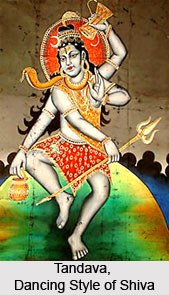
Tandu, Attendant of Lord Shiva
Tandu is revered as the divine attendant of Lord Shiva and the foremost exponent of the Tandava dance. According to the Natya Shastra, he instructed S...
Niramitra, Mahabharata
Niramitra was a son of Nakula and Kareṇumati in the Mahabharata. A descendant of the Pandavas and the Kuru dynasty, he fought on the Pandava side duri...
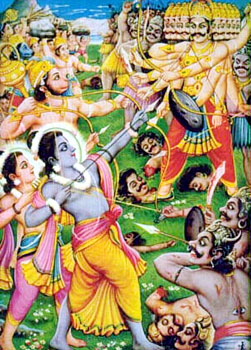
Mahodara, Ramayana
Mahodara was a prominent Rakshasa warrior, minister, and army chief who served under Rāvaṇa during the Battle of Lanka in the Ramayana. Celebrated for...

Lalabaksha, Hell in Purana
Lalabaksha is one of the hells described in Hindu Puranic literature, particularly in the Bhagavata Purana and the Devi Bhagavata Purana. It is a real...
Related articles in Indian Puranas
Adhyayas in Agni Purana
Adhyayas in Agni Purana are all encompassing. The chapters have dealt with a variety of subjects related to human lives. A large number of chapters ha...
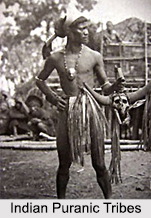
Indian Puranic Tribes
The existence of Indian Puranic tribes is often mixed with mythology and fiction that depict them as superhuman or sub.
Puranic Texts
Puranic Texts are vital according to Hindu, Jain or Buddhist religion; they describe the history of the Universe.

Puranic Shaivism
Puranic Shaivism established during the Gupta Dynasty. This puranic religion developed and expanded, and was accompanied by the development of Brahman...
Nilamata Purana
Nilamata Purana is a Kashmiri Purana that is referred by Kalhana. It is considered as one of the sources of ancient history of Kashmir.