Introduction
Gotra is the lineage or clan assigned to a Hindu at birth. In most cases, the system is patrilineal and the gotra assigned is the gotra of the person"s father. Generally, these lineages mean patrilineal descent from the mythical sages or rishis in Brahmins, warriors and administrators in Kshatriyas and ancestors in Vaishyas.
Etymology of Gotra
Gotra is the Sanskrit term for a much older system of tribal clans. The literal meaning of Gotra is "cow-pen" or "cow-shed" in archaic Rig Vedic Sanskrit. The Vedic people for the identification of the lineages initially used the Sanskrit word "Gotra".
Origin of Gotra
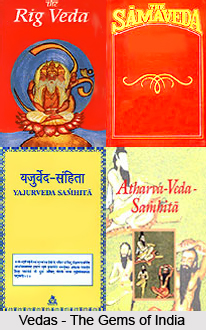
The term ‘gotra’ originates from the Rigveda, where it signifies “forward moving descendants.” In its earliest usage, it referred to patrilineal lineage, particularly among Brahmins. Over time, the system of gotra was adopted by other varnas, including the Kshatriyas and Vaishyas, and became an integral part of the broader social structure.
According to Vedic tradition, Brahmins trace their ancestry to seven ancient sages, regarded as the manasaputras or mind-born sons of Brahma. These sages are believed to have originated through Brahma’s yogic power. Agastya is also sometimes included in this list. These eight sages are known as gotrakarins, or originators of gotras.
The descendants of these sages formed the basis of the gotra system, which later expanded to include 108 recognized Brahmin gotras. Each gotra denotes a common male ancestor and preserves genealogical identity across generations. For example, the Atreya and Gavisthiras gotras emerged from the sage Atri.
The establishment of gotras was initially a way to maintain lineage continuity and ritual purity. It later became a mechanism to organize social and marital relations, especially through the principle of exogamy. The origin of gotra, therefore, is deeply rooted in Vedic cosmology and serves as a foundational element in the structure of ancient Hindu society.
Concept of Gotra
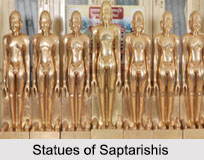
The concept of Gotra relates directly to the Sapta Rishis of the Vedas associated with the seven stars of the Great Bear constellation as according to original Hindu Vedic system. The seven rishis were Gautama, Bharadwaja, Vishwamitra, Jamadagni, Vasistha, Kashyapa and Atri. They are recognized as the Saptarishi. Jambu Maharishi, also known as Renuka, is another sage who is considered part of the Kashyapa lineage. The descendants (apatya) of these eight sages form the foundational gotras. Pāṇini, the ancient Sanskrit grammarian, also refers to this classification, distinguishing the main gotras from others called gotravayava.
Structure of Gotra
Individuals associated with the lineage of three sages are termed Tri-a-Vishay, those linked to five sages as Pancha-Vishay, and those connected to all seven as Santa-Vishay. This categorization reflects the number of sages from whom one traces descent.
An alternate theory proposes that both sons and disciples of a sage share the same gotra, signifying a transmission of thought and philosophical alignment. Consequently, individuals of the same gotra can be found in different caste groups. Each gotra includes pravaras, or distinguished ancestors, further detailing the lineage.
Hindu scriptures emphasize community-based marriage while strictly forbidding matrimonial alliances within the same gotra. This prohibition is rooted in the belief that individuals from the same gotra descend from a common Vedic ancestor, and thus, such unions are considered a violation of exogamic principles.
Types of Gotras
As mentioned above, Gotra stands for lineage or clan assigned to a Hindu at birth. Hence, it is believed that people belonging to the same gotra also belong to the same caste in the Hindu social system.
Some of the common lineages are as follows:
Ayodya
Agastya
Basistha
Bharadwaja
Chaudhrana
Chikara
Dattatreya
Dhananjaya
Gautamasa
Guntur
Kirtan
Harita
Jamadagni
Jambhumaharishi
Kashyapa
Katyayan
Lohithyasa
Madhukalya
Markandeya
Narayana
Raghupathi
Panchal
Pipal
Raghav
Sandilya
Tarkia
Upadhayay
Uttam
Vishvamitra
Yadav
Significance of Gotra in Marriage
It is common practice in Hindu marriage to enquire about the Kula-Gotra meaning Cult-Clan of the bride and bridegroom before approving the marriage. While marriage within the kula is allowed and even preferred, marriage within the Gotra is not allowed. This is because; marriages within the gotra are banned under the rule of exogamy in the traditional matrimonial system. People within the gotra are regarded as kin and marrying such a person would be thought of as incest. In some communities, where gotra membership passed from father to children, marriages were allowed between uncle and niece but in the matrilineal societies this is strictly banned.