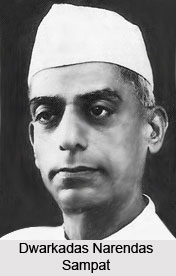
 In 1918, Dwarkadas Sampat set up Kohinoor Film Company, which was India"s first film studio. Along with Ranjit Movietone and Imperial Film Company it was the largest movie studio when Indian talkies began in the 1930s. The Kohinoor Film Company didn"t just produce some of the most successful films of its era. The studio dominated the scene until the 1940s and 1950s. The studio also trained such people as Nandlal Jaswantlal and Mohan Bhavnani, and produced artists such as Goharbai, Zebunissa and Rampiyari.
History of First Film Studios in Mumbai
In 1918, the film pioneer, Dwarkadas Narendas Sampat (1884-1958) established the Kohinoor Film Company. Sampat introduced wooden sets, doing away with the painted sceneries of the past. In 1923 a fire at the studio destroyed negatives of the company`s films. However, Eastman Kodak willingly granted further credit for raw film stock.
Filmography of First Film Studios in Mumbai
Between 1919 and 1929, Sampat and Kohinoor made 98 films. Some are as follows:
•Bhakta Vidur (1919)
•Vikram Urvashi (1920)
•Anusuya (1921)
•Kala Nag (1924)
•Handsome Blackguard (1925)
•Telephone Girl (1926)
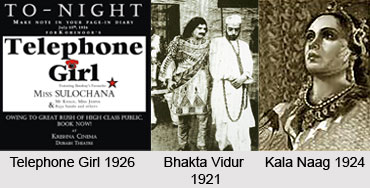 Dwarkadas Sampat also made a Gandhian film using the allegorical mythological subject, Bhakta Vidur. Kanjibhai Rathod directed this film which alluded directly to political issues of the day. In the wake of the Rowlatt Act in 1919 -- which put restrictions on Indian imports -- protests and agitation broke out, thrusting Mahatma Gandhi into the national spotlight. This film adapted a section from the Mahabharata that concerns the fall of an empire at the hands of two warring clans -- the Pandavas and the Kauravas. More overtly, the film`s main character, Vidur (Dwarkadas Sampat), is a dead ringer for Gandhi, complete with his trademark hat and khaddar shirt. This film became something of a controversial issue in India, as it generated a huge censorship controversy and was ultimately banned in Karachi and Madras.
From the beginning the influence of Hollywood on the Indian film industry was evident. The characteristics of the first studios, such as, a full team covering all the aspects of filmmaking from acting, technical expertise to distribution resembled that of Hollywood.
The employees of these studios at Mumbai and Kolhapur were more or less permanent ones. They were remunerated on a monthly basis. By 1921, twenty-one such units existed in India, though initially most of them were quite small.