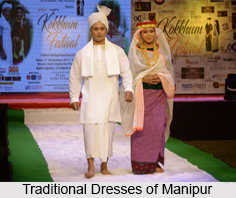
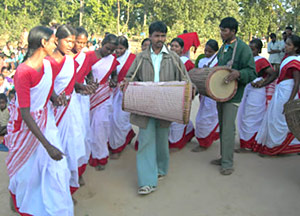
Cotton is the one of the mostly used fibres in India. It offers the basic raw material (cotton fibre) to cotton textile manufacturing. Indian is the home of cotton, where cotton is extensively used as dress material. It is used to make all kinds of clothes as well as for industrial purposes like tarpaulins, tents, hotel sheets and army uniforms.
Types of Cotton in India
Three broad types of cotton are usually known on the basis of the length, strength and structure of its fibre. Following are the different types of Cotton:
•Long Staple Cotton: It is largely grown in Punjab, Haryana, Maharashtra, Tamil Nadu, Madhya Pradesh, Gujarat and Andhra Pradesh. It has the longest fibre and is used for making fine and superior quality cloth. About half of the total cotton produced in India is a long staple.
•Medium Staple Cotton: It is largely grown in Rajasthan, Punjab, Tamil Nadu, Madhya Pradesh, Uttar Pradesh, Karnataka and Maharashtra. About 44 per cent of the total cotton production in India is of medium staple.

•Short Staple Cotton: It is largely grown in Uttar Pradesh, Andhra Pradesh, Rajasthan, Haryana and Punjab. It is used for manufacturing substandard cloth and fetches lower prices. About 6 per cent of the total production is of short staple cotton.
Cotton Production in India
India has the largest area under cotton cultivation in the world. India also imports raw cotton for the cotton textile manufacturing. Cotton grows well in black cotton soil which is humid in nature and has water retentive ability. Plain lands or gentle slope lands are good for cotton production. Drainage is essential for the cultivation of cotton. Cotton grows well in temperate and damp climate where summer is long. High temperature is harmful for it. 60-100 centimetres rainfall is necessary for the cultivation of cotton.
Uses of Cotton in India
Cotton is used to make a number of textile products. Shiny cotton is a processed version of the fibre that can be made into cloth similar to satin for shirts and suits. These include terrycloth for highly absorbent bath towels and robes. Socks, underwear, and most T-shirts are made from cotton. Bed sheets frequently are made from cotton. Cotton also is used to make yarn used in crochet and knitting. Cotton is used in fishing nets, coffee filters, tents cotton paper, and in bookbinding.