Kaivalya pada is the fourth and the final chapter of Patanjali`s exposition of yoga. In his individual way, Patanjali sets out the three cornerstones of Indian philosophy the path of devotion, Bhakti marga, in Samadhi pada, the path of action, karma marga in sadhana pada, the path of knowledge, jnana marga in vibhuti pada. In kaivalya pada he describes the path of renunciation vairagya marga or virakti marga, the path of detachment from the worldly objects and of freedom from worldly desires.
Kaivalya means exclusiveness, or eternal emancipation. It is release from karma the consequence and obligation of our actions. Kaivalya is an absolute, indivisible state of existence. In it the yogi is stripped of thoughts, mind, intellect and ego and freed from the play of the gunas of nature, sattva, rajas and tamas.
This chapter is impressive and exhaustive. One of its main themes is that the content of consciousness is pure, absolute and divine, provided it is unsullied by action, be it white (sattvic) grey (rajasic) or black (tamasic). The absolute nature of consciousness is to be realized by propitious birth, spiritual fervour and meditation.
Five types of yogis
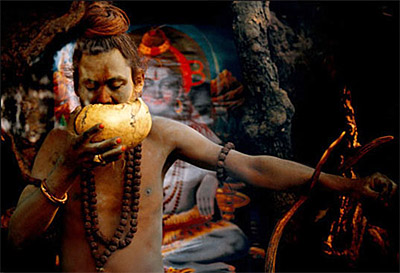
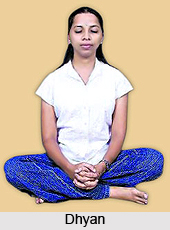
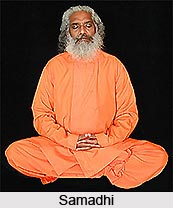
Kaivalya pada opens with the contention that prodigious yogic powers may be inborn, acquired by merit accumulated through practice in former lives. They may also be attained through use of herbs (ausadhi), incantation (mantra), devoted discipline (tapas), meditation (dhyana) and total absorption (Samadhi).
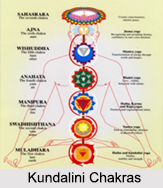
In these five types of yogis, nature`s energy which later becomes known as kundalini, flows with ever-increasing abundance, preparing them to receive the infinite light of the soul. This is why tapas and Samadhi are held to be the best of the five; they provide a firm foundation for stable growth, which prevents the yogi from misusing the energy built up through his practices.
The yogi`s judicious use of natural forces can be compared to the farmer who floods his fields one by one within their earthen banks, letting the water thoroughly drench the soil before breaking open a new channel into another. For safety sake the yogis employs method and restrain so as to use nature`s energy (sakti) intelligently to gain wisdom.
Subject and object
Earlier chapters point out that where nature is eternal, its qualities or gunas, are ever-changing. This blending of the gunas creates diversity in the mind so that it sees objects in different ways. The object is the same and the mind, too, is the same. But the same mind has many qualities of mood and behaviour. This fragmentation is the cause of avidya. The mind divided by the gunas moulds and remoulds man. The study of subject and object helps the student to perceive with prejudice, and facilitates him to be aware of the objects exist independently, irrespective of his cognition of them.
Care to be taken
Patanjali warns that even such exalted yogis are not beyond all danger of relapse. Even when oneness between cit and citta (universal and individual consciousness) is achieved, inattention, carelessness or pride in one`s achievement awaits opportunity to return and fissure the consciousness. In this loss of concentration, old thoughts and habits may re-emerge to disturb the harmony of kaivalya.
If this takes place, the yogi has no alternative but to resume his purificatory struggle in the same way as less evolved people combat their own grosser afflictions.
Slhok in Kaivalya Pada
Patanjali`s yoga Sutras also known as Slhok were the earliest and are still the most profound and enlightening-study of the human psyche. There are 34 slhoks in the Kaivalya pada where Patanjali explains How consciousness can become pure, intelligent and ripe and free itself from the clutches of nature, enabling the yogi to reach the goal of absolute freedom.
janma ausadhi mantra tapah samadhijah siddhayah
jatyantara parinamah prakrtyapurat
nimittam aprayojakam prakriinam varanabhedah tu tatah ksetrikavat
nirmanacittani asmitamatrat
pravrtti bhede prayojakarh cittam ekam anekesam
tatra dhyanajam anasayam
karma asukla akrsnam yoginah trividham itaresam
tatah tadvipaka anugunanam eva abhivyaktih vasananam
jati deia kala vyavahitanam apt anantaryam smrti samskarayoh ekarupatvat
tasam anaditvam ca asisah nityatvat
hetu phala asraya alambanaih sahgrhitatoat esam abhave tad abhavah
atita anagatam svariipatah asti adhvabhedat dharmanam
le vyakta sitksmah gunatmanah
parinama ekatvdt vaslutattvam
vastusamye cittabhedat tayoh vibhaktah panthah,Patanjali Yoga Sutra
na ca ekacitta ian.tram ced vastu tat apramanakam tada kirn syat
taduparaga apeksitvdt cittasya vastu jnata ajnatam
sada jnatah ciltavrttayah tatprabhoh purusasya aparinamitvat
na tat svabhasam drsyatvat
ekasamaye ca ubhaya anavadharanam
cittantaradrsye buddhibuddheh atiprasahgah smrtisahkarah ca
citeh apratisamkramayah tadakarapattau svabuddhisamvedanam
drastr drsya uparaktam cittam sarvartham
tat asahkhyeya vasanabhih citram api parartham samhatyakaritvat
visesadarsinah almabhava bhavananivrttih
tada vivekanimnam kaivalya pragbharant cittam
tat cchidresu pratyayantarani samskarebhyah
hanam esam klesavat uktam
prasamkhyane apt akusidasya sarvatha vivekakhyateh dharmameghah samadhih
tatah klesa karma nivrttih
tada sarva avarana malapetasya jnanasya anahtyat jneyam alpam
tatah krtarthanam pannamakrama samaptih gunanam
ksana pratiyogl parinama aparanta nirgrahyah kramah
purusartha sitnyanam gunanam pratiprasavah kaivalyam svarupapratistha va citisaktih iti
|