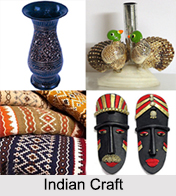
Kantha embroidery is one of the popular embroidery styles of India. In fact, it is considered as a specialty of West Bengal. `Kontha` or `Kantha` is a Sanskrit word, which means `rags`. It is also called as the `recycling art`. There are several legends that are associated with the origin of this art form. It is said that in the past, the precious clothes that were torn out were piled in layers and stitched by the women. Another legend relates `kantha` origin to Lord Buddha and his disciples because they used the thrown away rags to cover themselves; so they used to stitch those thrown away rags.
Method of Kantha Stiching
Actually the Kantha stitch is simple running stitch particularly made on the edges. It is the way it has been used that makes it extra ordinary. The thread that is used for doing Kantha stitch is actually taken out from the borders of the used piece of cloth. In this form of stitch, around five to six pieces of torn out clothes are taken and they are stitched on the edges. Thus, five to six clothes form a quilt when they are embroidered together. Thus, Kantha in West Bengal is popularly known as embroidered quilt. Kantha also means `dorukha` that literally means transforming the worn out and used textiles into beautiful fabrics. There are different types of Kantha that are used for varied purposes. The thick quilt is a warm winter cover, large and rectangular, for ceremonial purposes. Moreover, cloths with beautiful Kantha embroidery are used by the women as shawls.
 Themes and Motifs of Kantha Embroidery
Various themes are applied in Kantha embroidery. It usually includes folk design, floral motifs, birds and animal figures as well as several geometrical shapes and patterns. Most of the patterns of Kantha embroidery resemble the art of "alpona". Mostly the themes are inspired by the day to day activities of the people. However, contemporary Kantha embroidery differs from the old embroidery, which is done on multi-layered dhotis or saris. Kantha embroidery can be seen in various types of garments right from sarees, shirts to furnishing fabrics.
Most of the time the middle portion of the Kantha was designed by blooming lotus with hundred petals, and it was bordered by leaves or depictions of pitchers and conch shells. The designs of Kantha depict the desires and yearnings of the women of that period consisting of leaves and creepers, boats, chariots, dwelling places, hookahs, husking pedals and umbrellas. These designs were often accompanied by the household things of the women of Bengal like earthen pot and lid, rice bowl, pitcher with spout, utensils, nutcracker, scissors, mirror and comb, kohl compact, lamp-stand, vermilion box, wicker-basket for Goddess Lakshmi, necklace, bracelet etc. Along with these designs figures of people, bride and groom, British sahibs, horse riders, milkmaids, fisherwomen, footmen, landlords were also implied on the Kantha. The portrayals of birds, tigers, lions, elephants, horses, dogs, cats, cows, deer, peacocks, cockatoos, kites were also among the motifs used for Kantha embroidery. Portrayals of God were a major part of the design, where scenes of Lord Krishna and Ramayana were mainly focused upon.
 Use of Threads in Kantha Embroidery
One of the most striking features of kantha embroidery was the use of threads to weave the designs on it. The most common colours were black, red, and yellow though brown, pink, green and blue were in use as well. Sometimes artists, being unusual, use different colours to express their thoughts on the designs. Like in some of the kantha works peacocks were shown in red, lotus in green and elephants in blue.
Usages of Katha
These meticulously designed Kanthas were used for several household purposes; for example, as bedcovers, to cover boxes and trunks, wrapping up combs and mirrors, for making small handbags to keep betel nuts, nutcrackers etc.
Preservations of Kantha
Old styles of Kantha have been preserved in Ashutosh Museum, Indian Museum, Gurusaday Museum and in the art gallery of Ananda Niketan of West Bengal. Among these museums, Gurusaday Museum holds the largest collection of old Kanthas, which numbers more than 200. These kanthas have been collected from various parts of undivided Bengal like Jessore, Khulna, Faridpur, Mymansingh and some other places; some have been collected from the partitioned portion of Bengal like Bankura, Birbhum and North 24 Parganas districts.