


 Kathakali, a renowned classical dance form originating from the southwestern region of India, specifically Kerala, is highly cherished for its expressive and captivating performances. Known for its vibrant costumes, elaborate masks, and exquisite movements, Kathakali stands out as one of the most visually striking dance forms. At its core, Kathakali is a storytelling dance, where the dancer skillfully portrays narratives through their performance. This extraordinary art form is believed to have evolved from the rich traditions of temples and folk arts prevalent in southern India. Kathakali, a renowned classical dance form originating from the southwestern region of India, specifically Kerala, is highly cherished for its expressive and captivating performances. Known for its vibrant costumes, elaborate masks, and exquisite movements, Kathakali stands out as one of the most visually striking dance forms. At its core, Kathakali is a storytelling dance, where the dancer skillfully portrays narratives through their performance. This extraordinary art form is believed to have evolved from the rich traditions of temples and folk arts prevalent in southern India.
Indian Kathakali dancers are the talented artists who have made Kathakali, a popular art in all across the globe. Kathakali is probably the oldest theatre forms in the world. Kathakali dancers perform a group presentation, in which they act upon various roles which are traditionally based on the themes from sacred Hindu mythology, especially the two epics, the Ramayana and the Mahabharata. Indian Kathakali dancers are experts in expressing the highly developed language of gesture, through which the artists usually convey the whole sentences and stories. The body movements and foot works of these dancers are very rigorous. However, the elaborate make up aids the dancers to a great extent in expressing their story. Apart from the facial make up, each Kathakali dancer wears a detailed costume, with a headdress and several layers of skirts, as well as heavy jewellery, anklets, bracelets and rings.  Founder of Kathakali Artform Founder of Kathakali Artform
Kottarakkara Thampuran, revered as the visionary and progenitor of Kathakali, holds the esteemed position of its founder and patriarch. Not only was he an exceptional performer himself, but he also played a pivotal role in shaping the dance form. He became the trailblazer by penning the first-ever dance drama specifically for Kathakali. This groundbreaking work divided the dance form into eight distinct divisions, each of which portrayed episodes from the epic Ramayana. Consequently, this artistic representation of the Ramayana through Kathakali came to be known as Ramanattam, solidifying Thampuran's indelible contribution to the dance form's legacy. Roles Played by Kathakali Dancers Kathakali encompasses a classification of five distinct roles, known as Veshams. These roles are essential in character portrayal and contribute to the rich tapestry of Kathakali performances. Pacha (Green): Symbolizing nobility and divinity, this Vesham is adorned by characters of royal or godlike nature. The vibrant green makeup is prominently used to represent virtuous roles within Kathakali. Kathi (Knife): With a depiction of wickedness, aggression, and arrogance, the Kathi Vesham embodies evil characters. The makeup for this role signifies the darker traits of the portrayed persona. Kari (Black): Similar to the Kathi Vesham, the Kari Vesham also represents negative characters. This particular makeup signifies the malevolent aspects of the role being portrayed. Thaadi (Beard): The Thaadi Vesham encompasses two variations. The Vella Thaadi, characterized by a white beard, is employed to depict non-evil characters, often representing figures like Lord Rama from the epic Ramayana. The Chuvanna Thadi, featuring a red beard, signifies the portrayal of malevolent characters in Hindu mythology. Minukku (Radiant): The Minukku Vesham is utilized to embody spiritual characters. Radiating a sense of serenity and transcendence, this makeup represents characters with a strong spiritual presence. Popular Kathakali Dancers Kathakali dancers in India are usually only men. Men dressed in women's costume portray female characters. However, in recent years, women have also started to become Kathakali dancers. Following are the Popular Kathakali Dancers: 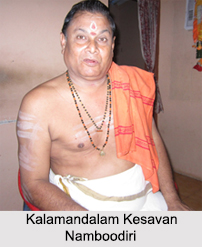 Kalamandalam Gopi: Gopi has been honoured with the esteemed Sangeet Natak Akademi Award. One of the most respected Kathakali dancers of the India is Kalamandalam Gopi, a student of the famous gurus like Padmanabhan Nair, Ramankutty Nair and Kumaran Nair. He had a celebrated career spanning over three decades, during which he has stood out in all main roles of Northern Kathakali style. Kalamandalam Gopi: Gopi has been honoured with the esteemed Sangeet Natak Akademi Award. One of the most respected Kathakali dancers of the India is Kalamandalam Gopi, a student of the famous gurus like Padmanabhan Nair, Ramankutty Nair and Kumaran Nair. He had a celebrated career spanning over three decades, during which he has stood out in all main roles of Northern Kathakali style.
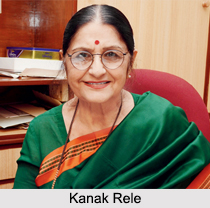
Kalamandalam Krishna Prasad: He excels in depicting both male as well as female characters. Kalamandalam Krishna Prasad is another famous Kathakali dancer. He was awarded with the M.A Vellody Medal at Kalamandalam for being the top student, in adding to receiving a number of other honours and awards. Kottakkal Sivaraman: Kottakkal Sivaraman's description was perfect. He captured the different emotions of Pingala as he travels from the depths of distresses to the heights of religious happiness. He displayed the emotions of a combination of nayika bhavas, like vasakasajjika and lasya nayika. Kalamandalam Kesavan Namboodiri: Kalamandalam Kesavan Namboodiri has presented Kathakali Dance in a lot of stages all around India and overseas. His capability is in "Minukku" characters, but now performing "Pacha", "Kathi", "Thadi" characters also. He has also directed the Kathakali Sreekrishnaavatharam which is written by Nalloorpalli Vamanan Namboodiri and performed in lots of stages. Now he is working on "Kirathasoonucharitham" Kathakali. Kalamandalam Ramankutty Nair: Kalamandalam Ramankutty Nair is one of the superior artists of the Kathakali form of dance. Ramankutty Nair is chiefly well-liked for his anti-hero presentations. He has some famous acts such as Ravana, Duryodhana, Keechaka and Narakasura. Kalamandalam Vasu Pisharody: He is famous for his anti-hero performances and his roles as partially-realistic minukku. He has also excelled as a good pacha. Some of his masterworks have been the roles of Nalan, Bahukan, Arjuna, Bhima, Yudhisthir, Rukmangadan etc. Kavungal Chathunni Panicker: Kavungal Chathunni Panicker is a performer belonging to the famous Kavungal family of six generations of Kathakali artists. With his extraordinary sense of rhythm he had modified a range of kalasams movements. His much-loved roles were the heroic Krishna in Duryodhana-vadham or ‘Slaying of Duryodhana’, Daksha, Arjuna, Pushkara, Bhima, and the demon Narakasura. Kanak Rele: She is one of the first female Kathakali dancers in India. Dr. Rele is a Kathakali artist who has been trained under Guru "Panchali" Karunakara Panicker since the age of seven. Rele was initially learned the Mohiniyattam. Rele is well-known for the contemporization of mythical tales in her performances and her depiction of strong women characters. Rele was conferred the Padma Shri, Kalidas Samman, Sangeet Natak Akademi Award, M. S. Subbulakshmi and many more. Some of the other famous Gurus and practitioners of this style is Guru Gopalakrishnan, Guru Kunchu Kurup who was the first Kathakali artist to get the Indian national award for this dance form etc. The Kathakali dancers have created the impact of Kathakali to an unimaginable height of expertise and accuracy. They are not only performing in India, but also in other countries during various festivals. This dance form has become an icon of typical Indian classical dance, owing to the contribution of eminent Kathakali dancers. |
| |||



Home > Art & Culture > Indian Dances > Classical Dances of India > Kathakali Dance > Kathakali Dancers
Kathakali Dancers
| Kathakali dancers of India embody grace, passion, and storytelling prowess. Through their vibrant costumes, expressive movements, and intricate makeup, they bring ancient tales to life on stage. |
| ||||||||||||||||||||||||||||

