


 Epilepsy is a neurological disorder in which nerve cells of the brain from time to time release abnormal electrical impulses. These cause a temporary malfunctioning of the other nerve cells of the brain, resulting in alteration or complete loss of consciousness. This is a common chronic disorder and is characterized by recurrent unprovoked seizures. Epilepsy is a neurological disorder in which nerve cells of the brain from time to time release abnormal electrical impulses. These cause a temporary malfunctioning of the other nerve cells of the brain, resulting in alteration or complete loss of consciousness. This is a common chronic disorder and is characterized by recurrent unprovoked seizures.
Epilepsy is also known as a 'Seizure Disorder' that includes various types of seizures. An epileptic seizure occurs when the energy pulses of the brain come much more rapidly for a short time due to an electrical abnormality in the brain. This brief electrical surge can happen in just a small area of the brain or it can affect the whole brain. Furthermore, the flow of electrical energy can cause changes in a person's sensations or state of consciousness and uncontrolled movements of certain parts of the body or of the whole body. Types of Epilepsy Epilepsy is of different types and each has its own combination of seizure type. The classification of Epilepsy depends on the symptoms or it is done through the position in the brain where the symptoms originate. There are 2 main categories of epilepsy; • Partial Epilepsy: Partial epilepsy can evolve to a generalized seizure also. Partial or focal epilepsy arise from an electric discharge of one or more localised areas of the brain. • Generalized Epilepsy: Generalized epilepsy affect the whole body and take varied forms such as generalized absence tonic-clonic, Myoclonic epilepsy, Atonic epilepsy and Tonic epilepsy. The common types of epilepsy are absence epilepsy, psychomotor epilepsy, temporal lobe epilepsy, frontal lobe epilepsy, occipital lobe epilepsy and parietal lobe epilepsy. In addition to that there are many other types of epilepsy and each has its own characteristic set of symptoms. Causes of Epilepsy Epilepsy is not an inborn disorder. They are caused for several reasons including conditions such as high fever, a severe head injury and other disorders like diabetes, some heart conditions and narcolepsy. A drug can also be the origin of seizures. Illness, infection, injury and even exposure to toxic substances play a large part in developing epilepsy in a person. Epilepsy is often the result of an underlying brain disease. The most common causes of epilepsy are tumours and diseases in the brain, genetic or inherited conditions, alcohol or other potentially toxic substances. 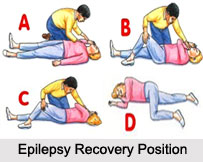 An Epileptic Seizure can be ignited by a variety of stimuli that include lights that flash at a certain speed, the flicker of a television screen or TV monitor, a sudden loud noise or repetitive sounds, alcohol consumption, stress, cigarette smoking, lack of sleep as well as headache. Epilepsy is such a disorder that is more likely to occur in young children or people over the age of 65 years, however, it can occur at any period of time. An Epileptic Seizure can be ignited by a variety of stimuli that include lights that flash at a certain speed, the flicker of a television screen or TV monitor, a sudden loud noise or repetitive sounds, alcohol consumption, stress, cigarette smoking, lack of sleep as well as headache. Epilepsy is such a disorder that is more likely to occur in young children or people over the age of 65 years, however, it can occur at any period of time.
Symptoms of Epilepsy Symptoms of Epilepsy vary depending on the types. In most cases, a person with epilepsy will tend to have the same type of seizure each time, so the symptoms will be similar from episode to episode. Since epilepsy is caused by abnormal activity in brain cells, it can affect any process the brain coordinates. The signs and symptoms of Epilepsy may include: • Temporary confusion • A staring spell • Uncontrollable jerking movements of the arms and legs • Loss of consciousness or awareness • Psychic symptoms Treatment of Epilepsy Epilepsy can be treated by self help as well as Vagus Nerve Stimulation. Ketogenic Diet also plays a vital role in reducing this chronic disorder. Alternative medicines or complementary therapies such as aromatherapy, acupuncture and reflexology are known to help an Epileptic patient. |
| |||



Epilepsy
| Epilepsy is a neurological disorder in which the nerve cells are caused with recurrent unprovoked seizures. |
| ||||||||||||||||||||||||||||

