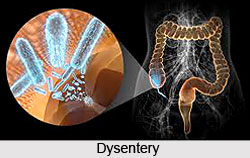
Dysentery

Dysentery affects the large intestine and it is characterized by inflammation and ulceration of the bowel.

Introduction

DysenteryDysentery is a serious condition affecting the large intestine caused by two organisms, protozoa and bacilli. The former is generally known as amoebic dysentery and the latter as bacillary dysentery. An attack of amoebic dysentery is milder in comparison with bacillary dysentery. But while bacillary dysentery can respond quickly to treatment, amoebic dysentery is very difficult for the patient to get rid of this dysentery.

Dysentery is characterized by inflammation and ulceration of the bowel, which is a colic pain in the region of the abdomen and passing of liquid or semi-formed stools with mucus and blood.

Symptoms of Dysentery

Dysentery may be acute and chronic. The symptoms of each of them are as follows:

Acute Dysentery :
• This is characterized by pain in the abdomen, diarrhoea and dysenteric motions, where yellowish white mucus and sometimes only blood from the intestinal ulcers passes with stools.
• Pain and tenesmus precede the evacuations.
• The patient feels a constant desire to evacuate, although there may be nothing to throw off except a little mucus and blood.
• There is a feeling of pain in the rectum and along the large intestine.
• With the advance of the disease the quantity of mucus and blood increases. Occasionally icasts or shreds of skin like mucous membrane, from small fragments to about 12 inches in length and an inch wide, are seen to pass out with motions. Sometimes pus is also thrown out with motions and often the smell of the stools becomes very unbearable.
• All the digestive processes are upset and secretions are changed or stopped.
• The saliva becomes acidic instead of being alkaline and the gastric juice itself may become alkaline.
• The stomach loses power to digest and absorb food. The bacilli create toxins and the faecal matters formed also increase the further manufacture of toxins and their consequent absorption in blood.

Chronic Dysentery :
• Chronic cases are after-effects of acute attacks, where the patient does not recover completely.
• The stools remains putrid and may contain blood, while diarrhoea and constipation may alternate, and general health is disturbed.
• In severe cases, the temperature may also rise. It may occasionally become subnormal also.

Causes of Dysentery

The cause of dysentery, according to modem medical system, is germ infection, since the latter develop in the colon as a result of putrefaction of excessive quantities of animal protein food, fried substances, over-spiced foods and hard to digest fatty substances. However, the real cause of dysentery is the dietary indiscretion and eating of excessive amounts of flesh food in hot weather or tropical climate unsuited to the digestion of such foods. Other causes also include debility, fatigue, chill, lowered vitality, intestinal disorders and overcrowding under unsanitary conditions.

Natural Remedy for Dysentery

Natural Remedy for Dysentery, NaturopathyNatural remedy for dysentery involves a fasting therapy and should aim at the removal of the toxins from the system. The patient should fast as long as acute symptoms are present. During the period of fasting, only orange juice and water should be taken. In the alternative, the patient should subsist on buttermilk till the acute symptoms are over. Butter milk battles offending bacteria and helps establishment of helpful micro-organisms in the intestines. The patient may be given small doses of castor oil in the form of mixture. In addition to administration of castor oil, the mechanical exclusion of accumulated poisonous matter should be attempted by giving very low pressure enema, admitting as much water as the patient can tolerate.

Complete bed rest is advisable as movement induces pain and aggravates distressing symptoms. A hot water bag may be applied over the abdomen. After the acute symptoms are over, the patient may be allowed rice, curd, fresh ripe fruits, especially bael, banana and pomegranate and skimmed milk. Solid foods should be introduced very cautiously and gradually according to the pace of recuperation. Flesh foods of all kinds should be avoided in future as far as possible. Other foods which should be avoided are tea, coffee, white sugar and white flour and products made from them as well as alcohol in all forms. Foods which have a detoxifying and cleansing effect upon the intestines on their passage, through, such as fruits and vegetables, are most vital to a future dietary.

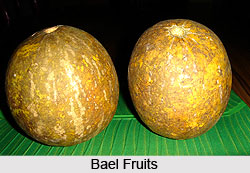
Among specific food remedies, bael fruit is, perhaps, the most effective in the healing of dysentery of both the varieties. Pulp of the fruit mixed with jaggery should be given thrice daily. To deal with a chronic case of dysentery, unripe bael fruit is roasted over the fire and the pulp is mixed with water. Large quantities of the mixture so made should be administered with jaggery. The pulp of the unripe fruit mixed with an equal quantity of dried ginger can also be given with butter milk. The use of pomegranate rind is another effective therapy for dysentery. Lemon juice is very effective in dealing with ordinary cases of dysentery. Other remedies considered useful in the treatment of dysentery are the use of small pieces of onions mixed with curd and equal parts of the tender leaves of the peepal tree, coriander leaves and sugar chewed slowly.

Homeopathy for Dysentery

Homeopathy for DysenteryAloe 30: The following symptoms of this disease demand the use of the medicine Aloe 30. Pain in, and distension of the abdomen, early in the morning, from accumulation of gas is the usual symptom. The patient is driven out of the bed and has to hurry to the lavatory. A lot of gas and a small amount of stool, laden with yellowish mucous pass out, causing burning of the anus. The abdominal pain ceases after the stool but the victim is left weak and perspiring. If the patient is suffering from the above symptoms he or she can have the medicine.

Arsenic 30: Frequent, small, watery, dark and offensive stools, especially at midnight, with rapid loss of strength demand the use of the medicine Arsenic. There is severe, burning pain in the abdomen and the anus. The person is mentally restless and thinks death is imminent.

China 30: For chronic dysentery characterized by painless, brown, loose motions at night with passage of excessively offensive gas. The victim rapidly loses weight and grows weak. All these symptoms genuinely need the use of the medicine China 30.

Carbo veg 30: The following symptoms affirm the use of the medicine Carbo veg 30. Accumulations of gas in the abdomen followed by frequent, offensive loose motions, leaving the victim cold and devastated are the important symptoms. Copious cold sweat on the body with impending collapse is also an important one. The person wishes to be fanned constantly, from a close distance.

Merc sol 30: Severe pain in the abdomen, especially at night, followed by slimy, bloody, very offensive stool, which corrodes the anus are the symptoms that generally require the use of the medicine Merc sol Even after the stools, satisfaction eludes the victim and abdominal pain persists. There is trembling of the body, profuse offensive perspiration and intense thirst for large amounts of cold water. The tongue is thick and moist, showing imprint of teeth as well.

Phos 30: Severe burning in the abdomen especially in the morning followed by profuse, loose stools. The victim feels as if the anus remains wide open. An oversensitive nature and a craving for cold drinks or foods i.e. ice-cream are other pointers to this medicine.

Podophyllum 30: Loud gurgling and abdominal pain in the morning, followed by profuse, painless, foul-smelling and multi-coloured loose stools with headache are the usual symptoms for which Podophyllum 30 can be used.

Puls 30: Abdominal pain from gas, especially at night, followed by greenish yellow, watery and slimy stools demand the use of the medicine Puls 30. A weeping nature and thirstlessness are other features of this medicine.

Recently updated articles in Naturopathy in India

Effect of Magnets on Human Body
Effect of Magnets on Human Body Thumbnail

Effect of Magnets on Human Body

Magnets have a stimulating effect on various body systems such as digestive, urinary, respiratory. Magnet has its affect on blood and hence it influen...

Cancer, Disease
Cancer, Disease Thumbnail

Cancer, Disease

Cancer is a malignant in which a group of cells display uncontrolled growth.

Principles of Massage
Principles of Massage Thumbnail

Principles of Massage

Principles of Massage are consisted of proper intricacies and sequence.

Foot Massage
Foot Massage Thumbnail

Foot Massage

Foot Massage is an extremely healing and effective therapy in Ayurveda, which can eliminate several problems in the entire body.

Eye Massage
Eye Massage Thumbnail

Eye Massage

Eye Massage helps to make the eyes cool and calm making the muscles stronger.