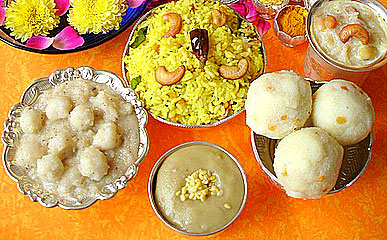
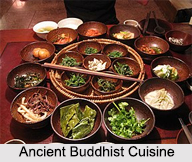
 The Maharastrian people ruled over Tanjavur from 1676 to 1855. Tanjavur is a city in the south Indian state of Tamil Nadu. During this period of 12 years, they took keen interest in the art and culture of the Tamil Nadu people. There was a huge effect on the cuisines of Tamil Nadu as well.
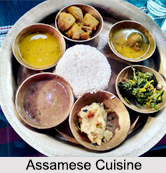
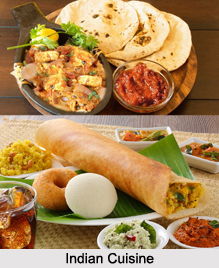
The cuisines of Tamil Nadu represent its history and culture. The food influenced not only the native people but also those who came from outside the state. When the Marathas came to rule here, they too got influenced by the Tamil cuisines.
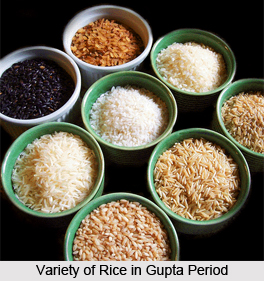
 The food habits and patterns of a particular place represent the geography of the area. What people cook and eat depend mostly where one lives and the types of crops, cereals, pulses and vegetables grown in that region. In places like Maharashtra, which lies in the west coast in India, coconut can be found in various types of dishes served. The oil used in cooking also varies from one region to another and in case of Marathi cuisines; the use of coconut oil is prominent. Maharashtra is situated in between the north and south India so it has a blend of taste of both the corners of the country. In North, wheat is the main food whereas in South, rice is used as the main food. So, in Marathi cuisines, both the wheat and rice have made their place. And this similarity of rice being in the main course of food, helped the Maratha recipes to make a mark into the Tamil Nadu cuisine.
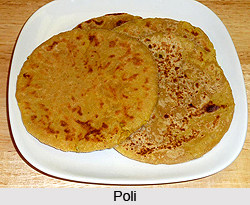
One of the delicious dishes of Tamil Nadu cuisine found in the present day is poli, which has its root back to Maharashtra.
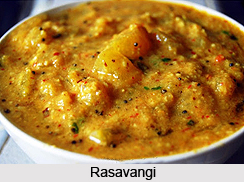
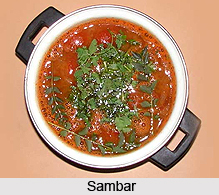 And the more surprising fact is that the food items found in Tamil Nadu like sambar, pitle, rasavangi and dishes of this type, which people think to be typical South Indian, are also the contributions of Maharashtrians.
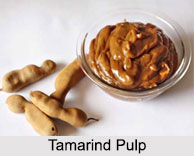
There is an interesting story about the origin of sambar. According to Dr Suresh, an archaeologist, sambars were named after Sambaji, the son of the great Maratha ruler Shivaji. It is said that one day Sambaji was very hungry and unfortunately there was no body in the royal kitchen to cook some food for him. Then he himself entered the kitchen and tried to cook the Maharashtrian version of dal. He was in his hurry to eat, so while preparing dal he used tamarind and that resulted in the present day sambar dish. In those days, the dishes were named after famous people so after his name the dish was named.