
Arthritis is one of the earliest diseases of the world as evidences have been traced in Atharva Veda and Charaka Samhita that had been composed in the post Vedic period. The Charaka Samhita delineates more accurately about aetiology, symptomatology, diagnosis and treatments of arthritis. The prognosis of the ancient physicians has been proved unaltered till date.
Dating back to the history of India around 6000 years, it has been found that the then medical practitioners had various ways for the treatment of arthritis like Aromatherapy, Pranic healing which is based on the principle that the body has the capacity to heal itself, and a catalyst, Prana is used to accelerate the healing process; healing using quartz crystals which is among the most ancient of all known therapies. The discovery of the treatments of arthritis in ancient era bears witnesses that this disease has an age long history.
The history of arthritis in medieval epoch describes that though originated from the Mediterranean world the Unani medicines had entered in India with the spread of Islamic civilization around the tenth century A.D and was developed in the Middle East. According to the history Unani medicines had been used where patients suffering from arthritis in medieval period were treated as well. The rulers and noblemen like Khilji, Lodhis and Tughluq Sultans, from the beginning of the Muslim rule, built hospitals that followed Unani system and fostered eminent Unani physicians, surgeons and ophthalmologists for treating arthritis. During the reign of Akbar, there was a mass exodus of learned men from regions where Arabian medicine was taught. This trend continued during the reigns of the successive great Mughal emperors - Jahangir, Shah Jahan and Aurangzeb. The later era of British rulers suppressed the practice of Unani medicines or Ayurveda but towards the last quarter of the nineteenth century, that a national reawakening aroused the interest of a few educated Indians towards their own systems of medicine.
Following the ancient and medieval traditional history of arthritis, modern ways Indian medicines has included new strategies to the existing ways.
History of Arthritis
From the ancient age arthritis had been affecting the human physique and is still a matter of concern.
Recently updated articles in Naturopathy in India

Effect of Magnets on Human Body
Magnets have a stimulating effect on various body systems such as digestive, urinary, respiratory. Magnet has its affect on blood and hence it influen...
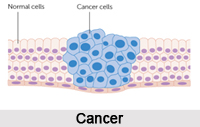
Cancer, Disease
Cancer is a malignant in which a group of cells display uncontrolled growth.
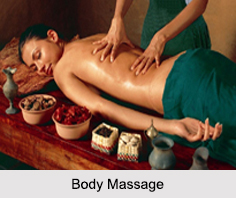
Principles of Massage
Principles of Massage are consisted of proper intricacies and sequence.
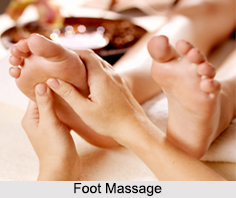
Foot Massage
Foot Massage is an extremely healing and effective therapy in Ayurveda, which can eliminate several problems in the entire body.
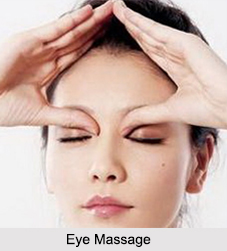
Eye Massage
Eye Massage helps to make the eyes cool and calm making the muscles stronger.
Related articles in Naturopathy in India
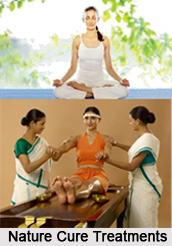
Nature Cure Treatments
Nature Cure Treatments comprise the use of natural elements and healthy lifestyle for healing various ailments and staying fit.
Water Therapy
Water therapy is an alternative therapeutic method that cures many diseases.
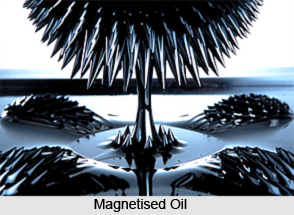
Magnetized Oils
Magnetized Oils are prepared either on the North Pole or the South Pole.