 Siddhanta Jyotisa for the first time introduced a number of new concepts and paid more attention towards the accuracy of calculations. Siddhata Jyoytisa introduced a period during which Hindu astronomy underwent a number of scientific innovations which has been incorporated as parts of Siddhanta. Siddhata Jyotisa has been marked significantly as it introduced a number of new concepts which were either unknown or ignored earlier. It for the first time introduced the concept of week which consists of seven days; it also introduced a new lunar calendar which was different from the existing calendar, this being more accurate and close to what is followed today.
The great Mahayuga Siddhanta, too, was introduced under Siddhanta Jyotisa which along with Mahayuga Jyotisa included five more siddhantas known as Paulisa Siddhanta, Romaka Siddhanta and Surya Siddghanta. These Siddhants summarize the entire science of ancient Hindu astronomy. Among many other concepts the biggest contribution of Siddhanta Jyotisa was to introduce a new dimension within Hindu astronomy. It divided the Hindu astronomy into sections, while the first section included astronomy the other recognised astrology or planetary astrology which he calls Phalita jyotisa. This divides Hindu astronomical studies into two sections - ganita jyotisa or Indian astronomy and Phalita jyotisa orHindu astrology. Both belong to the same age of Siddhanta Jyotisa.
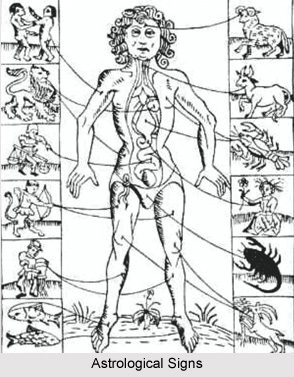
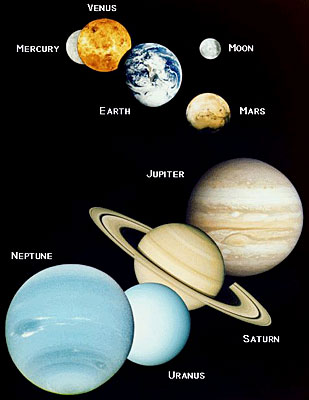
Siddhanta Jyotisa began with the recognition of the seven planets which were known as Grahas. It gave names to each planet on the basis of the stars or nakshatras. This included five planets other than sun and moon which were named as Mars (Mangala), Mercury (Budha), Jupiter (Brihaspati), Venus (Shukra), and Saturn (Sani). It also introduced a solar Zodiac which was divided into 12 parts which gained names which were used in Kerela. These include Mesa, Vrisa, Mithuna, Karka, Simha, Kanya, Tula, Vrischika, Dhanus, Makara, Kumbha, Meen. Siddhanta Jyotisa then took up the Hindu calendar which was based on the Solar months. While the names of the months remained unchanged it introduced the concept of Sankranti - a time when the sun transverses through a particular rasi of the solar zodiac while in case of Lunar months this brings the stages which are often known as Purnima(full moon) and amavastya ( when the moon is totally under shade).It then introduces the concept of weekdays which are named after every planet .This includes Ravivadra (Sun, Sunday), Somvadra (moon, Monday), Mangalavadra (Mars, Tuesday), Budhavadra (Mercury, Wednesday), Brihaspativadra (Jupiter, Thursday), Sukravadra (Venus, Friday) and Sanivadra (Saturn, Saturday). In case of the calendar Siddhanta Jyotisa changed the beginning of the year which used to begin with the month Chaitra which was now changed into Asvin. The calendar which began with Asvin also reflected change in the calculation of the Equionox.
Siddhanta Jyotisa along with other innovations introduced a new concept of phalita jyotisa which divided the Hindu Astronomy into two parts commonly known as Ganita Jyotisa (astronomy) and Phalita Jyotisa Astrology which grew as a major science depending on the movement of the Grahas along with the Sun and the Moon. This is one of the important contributions of the Siddhanta Jyotisa which developed into a new study of Astrology. Along with this Siddhanta Jyotisa is significant as it introduced the concept of mahayuga followed by four more types of yugas which made it possible to calculate the origin of the world as 4,320, 000 years old divided into four yugas. Siddhanta Jyotisa is also marked for calculating the auspiciousness of the time according to the location of the planets which form a major party of Hindu astrology and laid stress on the consultation of horoscopes before entering into any good project in which it specifies among the grahas as to which are for papa and which are for Punya.
Thus, Siddhanta Jyotisa which was the most popular Siddhanta of the ancient Indian kingdoms marked a watershed in the study of Hindu Astronomy as well. It not only brought the relevance of science ans mathametics in calculating the movements of the planets, it also introduced many new concepts related to the motion of the stars and planets.