
Botanical name of Chabika:Piper chaba Hunter.
Family name:Piperaceae.
Indian names are as follows:
Hindi:Chab, Chabya
Bengali:Chai
Sanskrit:Chabika, Chabya.
Chabika is a wild grown creeper found almost all over India, belonging to pepper family. Chabika lives long and propagates automatically through its roots. The stem and branches are very strong even when they are dry. Leaves are 12 to 15 cm long shaped exactly like betel leaves. Inflorescence axis has branches and a number of fruits appear around it shaped like pipul. Root has pungent taste. Fruit often known as Gajapippali. If lives for longer period root takes the size and shape of a rhizome.
Chabika yields alkaloids such as piperine and piplartine, beta-sitosterol, glycosides, mucilage, glucose and fructose. The fruit contains 9.5% moisture, 12.2% protein, 4.5% piperine, 6.6% fixed oil, 1.5% volatile oil, 39.5% starch, 8.5% fiber, 5.9% total ash and 4.2% acid soluble ash.
The creeper was known as medicinal herb even during Vedic era. In Atharba Veda it is said it has capacity to control, to digest and represents power. That is why in every Yagna its juice is used. The hymn gives enough indication of its medicinal virtues. The power is brightness and thus has the capacity to rejuvenate digestive system. Its capacity to control indicates it cures thirst. It also cures incurable piles and useful to kill any type of pain. There are frequent reference of this herb both in Charaka and Susruta Samhitas and later scriptures.
It is however, not commonly used as a spice. However, in certain locations in Bengal and North Eastern India it is added to food items for the purpose of adding flavor. Volatile oil that the fruit yield is almost identical to those of other plants of the family like pepper, betel long pepper etc. It can be used for identical purposes like flavoring food, beverages and pharmaceuticals.
According to modern science, it is said; it cures piles, inflammation in nasal membrane, causes excitement and good for respiratory diseases and cough. It is however has elaborate application as medicine in folk medicinal system particularly in Bengal. It is useful both for internal and external applications.
Chabika
The plant is a wild grown creeper found almost all over India, belonging to pepper family.
Recently updated articles in Food in India
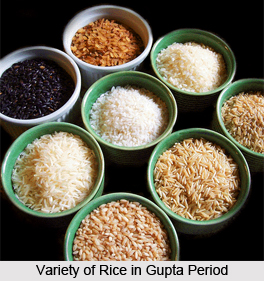
Food in Gupta Period
Food during the Gupta Period reflected the diverse culinary traditions of ancient India. People consumed both vegetarian and non-vegetarian dishes, in...

Mehboob Alam Khan
Mehboob Alam Khan is a renowned culinary historian, chef, and educator dedicated to preserving Hyderabad's rich gastronomic heritage. Celebrated for r...
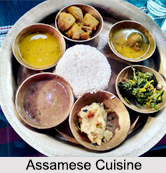
Assamese Cuisine
Assamese Cuisine is a mixture of different indigenous styles with regional variations and considerable external influences. Assamese use simple and fl...
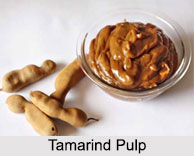
Tamarind
Tamarind Pulp is the thick pulp of ripe fruit of Tamarind which is commonly used as condiment.
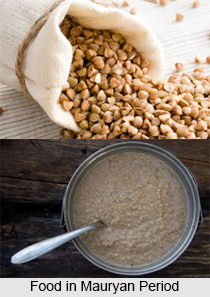
Food in Mauryan Period
Food in Mauryan Period largely includes the food and drinks during 300BC to 75 AD which has been extensively discussed in Arthashastra, rock edicts of...
Related articles in Food in India
Food in Ancient India
Food in Ancient India has been largely agro based as the society in India in the ancient times was primarily agro based. The food of ancient India ref...
Food in Indus Valley civilization
Food in Indus Valley civilization largely depicts the agrarian culture of ancient India. As this had been one of the earliest civilisations of India,...

Indian Regional Cuisines
The intriguing style of different cooking style contributes to the diversity of the Indian regional cuisines.
Indian Festive Foods
Indian Festive foods augmenting the richness of Indian festivals, have gained popularity.
Ancient Buddhist Cuisine
Ancient Buddhist Cuisine has been well described in the early Buddhist works in which food has been classified into four categories.