
Agni Purana says that Bhishrna Panchakam is considered the king of all the Vratas. The Vrata is generally practised on the day of the eleventh phase of the Moon`s increase in the month of Kartika. The penitent should observe a vow of silence on the occasion, bathe thrice every day and perform such a rite of ablution for the five successive days from the day of the first observance of the vow, and offer libations of water to the gods and his departed manes, containing the seeds of five different sorts of Vrihi and sessamum orientale.
It has been said in the Purana that the rite of ablution should be done unto the image of the god Hari, with the composition known as the Pancha-gavya and the Panchamrita. The body of the idol should be smeared with sandal-paste etc., and crystals of scented gum resin soaked in clarified butter, should be burnt before it. Day and night, the lamps should be kept lighted before the image, and oblations of sweetened porridge should be offered to the god whom it represents. The Vrati should repeat the Mantra hundred and eight times. The Fire God in the Purana narrates that the penitent should sleep on the bare floor during the continuance of the Vratra, and take cowdung, curd, milk and the composition known as the Pancha-gavya, respectively on the first (Ekadashi), second and third. He should break his fast in the night of the following full moon, whereby he would be liberated from the trammels of life, after a happy and prosperous career on earth.
The legend in Agni Purana says that the Vrata is named after the hero Bhishma who practised it in the by-gone age, and attained the god Hari through its merit. The supreme Brahma is to be worshipped in all the Vratas, which has the observance of a fast as its essential condition.
This article is a stub. You can enrich by adding more information to it. Send your Write Up to content@indianetzone.com
Bhishrna Panchakam
Bhishrna Panchakam has been called the king of all the Vratas by the Agni Purana. Generally the Vrata is observed in the month of Kartika.
Recently updated articles in Indian Puranas
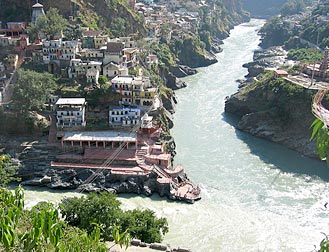
Mandakini, Holy River
Mandakini River is a significant Himalayan river in Uttarakhand, renowned for its ecological, cultural, and religious importance. Originating near the...
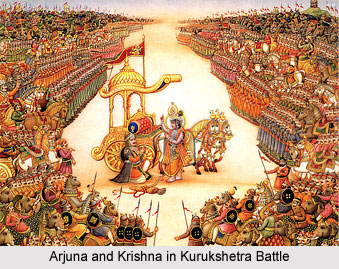
Kausika, Son of Vasudeva
Kausika is a minor figure in Hindu mythology and is identified in the Vishnu Purana as the only son of Vasudeva and his wife Vaishali. He is recognize...
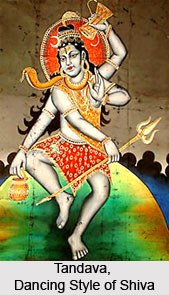
Tandu, Attendant of Lord Shiva
Tandu is revered as the divine attendant of Lord Shiva and the foremost exponent of the Tandava dance. According to the Natya Shastra, he instructed S...
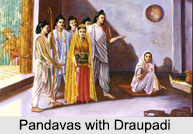
Niramitra, Mahabharata
Niramitra was a son of Nakula and Kareṇumati in the Mahabharata. A descendant of the Pandavas and the Kuru dynasty, he fought on the Pandava side duri...
Mahodara, Ramayana
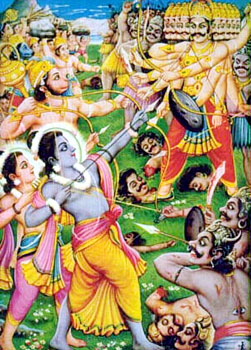
Mahodara was a prominent Rakshasa warrior, minister, and army chief who served under Rāvaṇa during the Battle of Lanka in the Ramayana. Celebrated for...
Related articles in Indian Puranas
Adhyayas in Agni Purana
Adhyayas in Agni Purana are all encompassing. The chapters have dealt with a variety of subjects related to human lives. A large number of chapters ha...
Indian Puranic Tribes
The existence of Indian Puranic tribes is often mixed with mythology and fiction that depict them as superhuman or sub.
Puranic Texts
Puranic Texts are vital according to Hindu, Jain or Buddhist religion; they describe the history of the Universe.

Puranic Shaivism
Puranic Shaivism established during the Gupta Dynasty. This puranic religion developed and expanded, and was accompanied by the development of Brahman...
Nilamata Purana
Nilamata Purana is a Kashmiri Purana that is referred by Kalhana. It is considered as one of the sources of ancient history of Kashmir.