 Ayurvedic diet for Indian seasons includes a healthy diet plan for all the Indian seasons, namely summers, monsoons, autumns, winters and springs. This natural medicinal science emphasizes on the significance of a nutritious diet for maintaining the physical and mental stability of the human body, throughout the year. Seasonal ayurvedic diet is based on certain determinants like age, gender, immunity and various ` Doshas ` which are associated with the potency of body tissues. With a copious tradition of more than five thousand years ayurvedic diet is more than mere pathya but a holistic health treatment that include, herbs, mediation, massage and yoga.
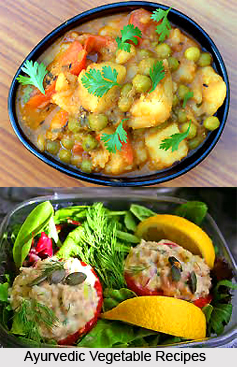
Ayurvedic Green bean subji, Ayurvedic Grated potato subji, Ayurvedic Spinach subji, Ayurvedic Kidney bean subji, Ayurvedic Stuffed Tomato are some of the recipes that can be counted among Ayurvedic Indian Vegetable dishes. Indian cooking places vegetable to the pedestal of an all rounder. It is hardly confined to side dishes rather they are turned into appetizers, snacks, soups, main dishes, relishes, pickles, conserves, desserts, sweetmeats, breads and beverages. Just about any vegetable can be cooked in all these forms, using different ingredients and techniques. Vegetables served as side dishes with an Indian meal are cooked in just about every way conceivable to man.
Indian vegetable are not only easy to cook but even time savvy and healthy. They require some spices to enhance the flavour of the savour. Some spices, such as turmeric, cayenne pepper, ginger powder and mango powder are often added with or after the vegetables, because they burn so easily. The heat is then reduced and the vegetables are cooked in their own moisture and vapour. Finally the heat is increased and the vegetables go through a second stir-frying, to get nicely browned and develop a beautiful shiny glaze. Sometimes a little oil or ghee is added to the vegetables at the end, to increase the glaze. Vegetables cooked thus have a roasted flavour and very soft texture, though the pieces hold their shape. Certain vegetables are often cooked prior to frying such as potatoes, yams, plantain (green Banana) and beetroot and this is done because the full robust aroma of fried spices remains intact, as these vegetables oblige for a lot of water and time to cook and prolonged moist cooking robs the spices of much of their fried flavour.