 Bhawaiya is a famous folk music of Cooch Behar district of West Bengal. It is performed both as solo and in chorus. The origin of this genre of songs is quite controversial. The word Bhawaiya originated from `Bhawa`, which means low lying land of shrubs and vegetables. The songs were initially sung by the buffalo keepers while ploughing the lands. Another research has furnished that Bhawaiya has been derived from the word `bao`, meaning breeze. Thus the name signifies a song that is pleasant and random like the wind that blows in the northern Bengal. . It is also believed that Bhawaiya comes from `Bhava` which refers to emotions. Bhawaiya songs are characterized by deep feelings of love and melancholy.
Types of Bhawaiya
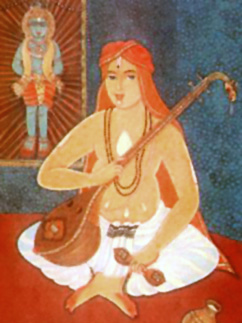
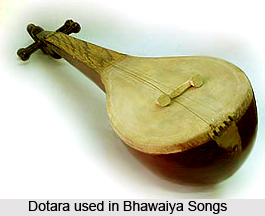
Bhawaiya can be categorized as two types where one uses melancholic notes and the other uses skipping tone or chatka. The first type of Bhawaiya depicts tender feelings of a woman about love and separation. The second category is fast paced and comic in nature. The songs convey ambitions, expectations and conflicts in a family life. Kshirol refers to the third category which is an amalgamation of previous two tunes. Dotara serves as the ideal accompaniment in Bhawaiya songs.
Features of Bhawaiya
The most prominent feature of Bhawaiya songs are its typical tonal structure in which the reflection of topographical condition, phonetic and ethnic characteristics of the region can be found. The musical notes of this genre of songs usually stay within the middle octave. However, in some of the songs upper octave is also reached. These songs are generally sung in high pitched voice. Voice modulation and use of numerous microtunes are very prominent in Bhawaiya.
Bhawaiya songs have now been also adopted in Bengali Cinemas. Eminent singers of this genre of music are Abbasuddin Ahmed, who popularized these songs in Bangladesh, Firdousi Rahman and Mustafa Zaman Abbasi.
This article is a stub. You can enrich by adding more information to it. Send your Write Up to content@indianetzone.com