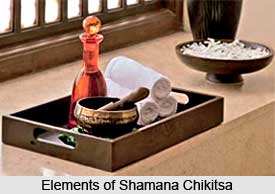
Shamana Chikitsa implies the procedures for alleviating the symptoms of any disease. Shamana means to suppress and it reduces or eliminates symptoms. Shamana treatments are supposed to make the patient feel better by suppressing the effects of the body. For instance, when someone takes aspirin to alleviate muscular pain or headache, it means employing of Shamana therapy.
This therapy of Panchakarma is also known as palliative type of treatment. Interestingly, Shamana does not deal directly with root causes of the illness and thus it can never affect a complete cure. The treating methods of Shamana therapy can be aptly compared with to cutting weeds off at ground level. While the garden may temporarily appear to be free of weeds, but they will inevitably grow back. Similarly, if the doshic imbalances known as `aama` are not eliminated properly, which is the source of any disease, the symptoms will continue to manifest in the body. For the elimination of the `aama` from the body, a proper change of diet and behaviour must be created.
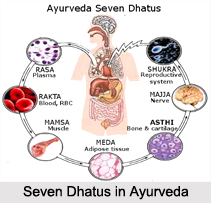
Ayurveda explains with a very simple example that the symptoms of several diseases grow within the body and that they should be identified properly. One such instance is the case of boils in the skin that appears because of constipation. Panchakarma defines that the effects of constipation is really severe and the waste matter and the toxins accumulates in the colon and are being absorbed by the body resulting in boils. The boils resulted from the body`s attempt to eliminate toxins through the skin. It is proven fact that as long as the underlying problems do not get addressed and the Aama remained in the dhatus, the body continues to expel the toxins with the boils that emerge as a result.
Shamana therapy also suggests that regular and maintained establishment of proper eating habits is very important. It emphasizes on the fact that the treatment procedures of an adult will completely differ from that of a teenager. The natural and homeostatic mechanisms help in the identification of the symptoms and curing of the diseases from their roots. Further homeostatic mechanisms persistently work towards regaining optimum health. There is a symptomatic connection between the mucous membranes of the digestive tract and the skin.
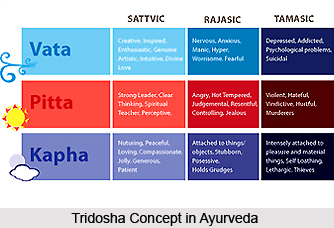
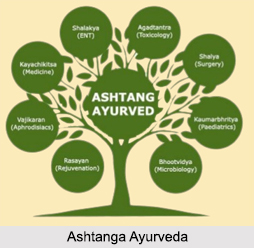
Asthanga Ayurveda suggests various ways of treating an ill person. These treatment procedures can be broadly classified as Shamana and Shodhana. Shodhana (which is often loosely called panchakarma) is a slightly harsh treatment and includes the five main procedures or Pradhan Karma. All these treatments are a bit crude and are applied when immediate removal of the accumulated doshas is required. In order to yield better results, these treatments require beforehand preparation of the body. Sometimes, the body is in such a condition that it cannot bear harsh treatment. It may also happen that a person does not have adequate time for the extensive processes of Shodhana to be carried out. In such cases, Shamana is an easier way out. This soothing treatment is a mild way of treating the misbehaving doshas and helps the body in achieving its healthy status. The distinction between Shodhana and Shamana is that Shodhana pushes the imbalanced dosha out of the body whereas shamana tries to bring back the imbalanced doshas to their balanced state by working within the body itself.
There are seven different types of Shamana, namely Deepan (creating appetite), Pachan (digesting), Kshudha-nigrah (hunger control or fasting), Trushna-nigrah (thirst control), Vyayam (exercises), Atap-seva (sun bath) and Marut-seva (consumption of fresh air). Deepan is the consumption of those food or mild medicines, which help the body fire or Agni to become more powerful. The prescription incorporates eatables like ghee, oil and spices, hot drinks and warm food. Meticulous deepan under the supervision of an Ayurvedic specialist reduces the increased doshas or augments the decreased dosha thereby achieving a balanced body system.
Pachan is an effective treatment in case of digestive disorders triggered by accumulation of toxins. Substances like dry ginger and sweet kernel are prescribed after lunch or dinner to increase the digestive ability. Kshudha-nigrah is a treatment procedure that is applied when dosha balance is hampered and immediate intensive removal is not possible. If total, partial or selective fasting is done, the balance is automatically restored. Ayurvedic practitioners suggest avoiding those foods that aggrieves the dosha that is already present in the body in an imbalanced condition. Trushna-nigrah is of immense help when water retention is a problem. In case of anasarca (generalized oedema), if water intake is carefully supervised, the urinary tract gets a chance to clear the fluid already accumulated in the body.
Vyayam comes as a ready treatment in cases like obesity, diabetes, etc. It helps in restoring the body`s balance without medicines or by administering the lowest possible dose of medicine. Atap-seva is recommended in case of vata disorders. This treatment, which is done by utilising solar energy, cures many skin disorders, arthalgic pains and rheumatic conditions. Marut-seva is the consumption of fresh air that treats ailments like tuberculosis, asthma, etc. It helps in the proper functioning of the respiratory tract by blowing energy into it.
 Shamana has one significant drawback. With a few changes in the environmental conditions, the doshas balanced by Shamana may again return to their state of imbalance. Thus follow up procedures are a must in this kind of Ayurvedic treatment. Shodhana produces better and long-term effects. But still shaman finds entry where Shodhana is not possible. Shamana is a preferred cure in case of tuberculosis, severe anaemia, cancer, typhoid and other such conditions where the immune system of the body is hampered.
Shamana treatment in Ayurveda points out this therapy is mainly connected with reducing of symptoms rather than removing the basis of the dysfunction of the body.