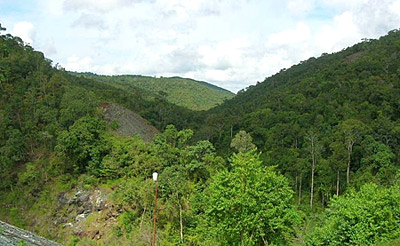
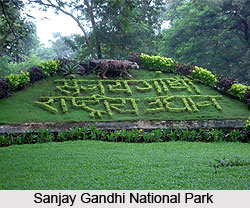
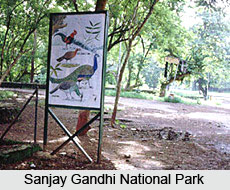
 The western India has got many national parks with in its territories. Amongst them Sanjay Gandhi national Park deserves special mentioning. The Sanjay Gandhi National Park is a green oasis surrounded by wide-ranging artificial landscapes. It takes hardly ten minutes to run away from the maze of inhabited Mumbai into this perfect wilderness, The Sanjay Gandhi national Park is juxtaposed between the fringes of the western and the eastern region. Thus this park draws close to what is considered to be the outer spur of the Western Ghats. Elevation lays out from near sea level at Bassein Creek, where the Ulhas River extends to connect the sea, to nearly 500 m. Most of the park lies south of the creek.
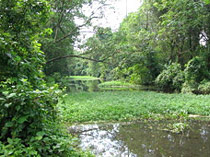
The Sanjay Gandhi national Park has ideal topographical deviation. There are two extensive reservoirs of Tulsi and Vihar and traces of marshes, scrubs, and also a mangrove creek that make the Sanjay Gandhi National Park, quite enriched. It will not be an exaggeration of the fact that the region has a wealth of biodiversity that mars the potency of some of reputed reserves of Indian subcontinent.
In fact the Sanjay Gandhi National Park is safe for the tourists to go on stroll as the presence of large beasts do not come in direct contact with the human society. Thus to their hearts content, the tourists enjoy nature walks even during the monsoon months.
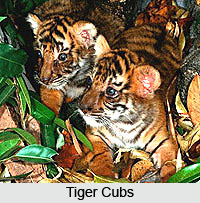
 Wild Boar, Black-naped Hare, small herds of Spotted Deer and Sambar, the occasional Jungle Cat and Common Palm Civet can be sighted and that too occasionally. The Leopard may be seen walk leisurely along forest grounds only during early mornings and late evenings. However the relevant sources claimed the near about forty human beings fell in to the prey of this ferocious beast since the year 1986. Among other mammals that dominate the region are Rusty-spotted Cat, Jungle Cat, Common Palm Civet, Sambar, Striped Hyena, Barking Deer, Spotted Deer, Common Langur, Bonnet Macaque, Rhesus Macaque and Wild Boar .
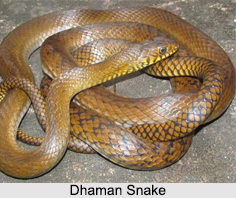
Crocodiles, pythons and several kinds of rock lizards are included in the list of more than fifty reptilian species that are found with the Sanjay Gandhi national Park .
More than hundred and fifty 150 species of butterflies are found teeming the Sanjay Gandhi national park. These include such as Blue Mormon and Great Egg fly.
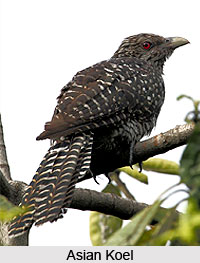
In fact the tourists of the park gets attuned to the melody of the singing birds like Malabar Whistling Thrush, Crimson Sunbird. Nearly 300 species of birds are the main attraction of the park. A three-hour walk in the winter months will bring in the visitor to catch sight of at least seventy-five of them. Other beautiful birds are also found mainly in open areas. Grey Junglefowl, Red Spur fowl, Indian Peafowl, Painted Francolin, Greater Racket-tailed Drongo, Spangled Drongo, Bronzed Drongo, Ashy Drongo, Malabar Pied Hornbill, Great Hornbill, Indian Grey Hornbill, Emerald Dove, Malabar Trogon, Black-hooded Oriole (rtiwp), White-rumped Shama, Blue-capped Rock Thrush are note worthy.
 On the water banks, quite a handful of bird species also can be seen, namely, Asian Openbill, Spotbill Duck, Lesser Whistling-duck, Oriental Dwarf Kingfisher, Pheasant-tailed Jacana. The Malabar Pied Hornbill and the Great Hornbill were seen here for the first time in February 2000.
The chirping and playfulness of these woodland and aquatic birds stand in contrast with the flocks of bird raptors. Few of them are found in the Sanjay Gandhi national Park. Crested Serpent Eagle, Shikra, Osprey, Peregrine Falcon, Lesser Spotted Eagle, Eurasian Marsh Harrier, White-bellied Sea Eagle, Eurasian Eagle Owl, Brown Hawk Owl etc are some of them.
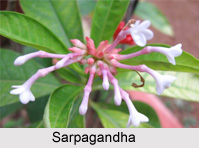
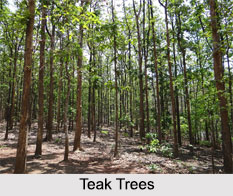
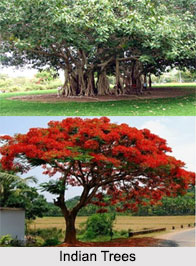
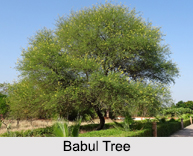
There are more than eight hundred species of flowering plants starting from trees of red silk cotton, Indian laburnum and teak to shrubs. A special type of shrub is found in Sanjay Gandhi National Park. It is called as the karvi, whose its purple blossoms appear once every eight years.
The Sanjay Gandhi National Park is a treat for the nature lovers who want to take a glimpse of Indian fauna and flora to their plentitude. The beauty of the place is supplemented by the panorama of lakes, forest. The park also has an extensive recreation zone. Thus development of the neighborhood region of Mumbai helps in the preservation of the wild life of the Sanjay Gandhi National Park to a great extent.