 Pancha Karma is a very effective treatment of Ayurveda that drives away toxins and reinstates the healthy condition of the body. This method purges out impurities from the body and stabilizes digestion and metabolism. Pancha karma is divided into the three steps of purva karma (preparatory procedures), pradhan karma (five important procedures) and paschat karma (follow up treatments). Paschat karma is a third and concluding phase of panchakarma. It involves re-establishment of the digestive enzymes and the replenishment of the body tissues that have been detoxified. If this process is followed after pradhan karma, then the patient experiences an amplified energy level, strengthened immune system and increased longevity.
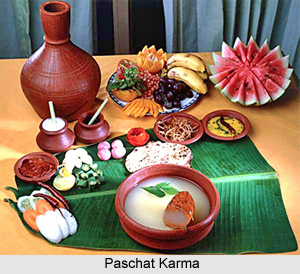
Paschat karma is further divided into two procedures, namely samsarjan karma and rasayana. Samsarjan Karma: After the pradhan karma treatments are done the patient loses some weight and the digestive power becomes feeble. In such cases he is advised to follow samsarjan karma, which involves embracing a special diet and life style for about two weeks. This therapy brings back the digestive power and strength by starting from a bland diet and gradually moving towards a heavy diet. The patient need not be admitted anywhere to undergo this process. Rasayana: This implies rejuvenating therapy. This process yields excellent results if followed after the five main procedures or pradhan karma. But if rejuvenation therapy or Rasayana is followed in an impure body that has not gone through the five main procedures, the effects are not fully experienced due to the presence of toxins in the body. Pancha karma treatment that includes rasayana is very effective for curing ailments like hemiplegia, rheumatoid arithritis, polio, skin diseases, epilepsy, insomnia, hypertension,cardiac problems, intestinal diseases, peptic and duodenal ulcers, ulcerative colitis and asthma.
In short, paschat karma is the concluding process of panchakarma that is effective in maintaining the healthy status of the body that has been achieved through pradhan karma. For best results, paschat karma should follow purva karma and pradhan karma.