Technique of Chhau Dance
Technique of Chhau dance is integrated in the conception of Chhau dance that has developed on the basis of the masks used as far as its techniques are concerned.

Share this Article:

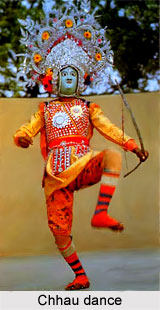
Technique of Chhau DanceTechnique of Chhau dance reveals that it has less movement in the upper part of the body and more movements in the lower part and on the footsteps. The facial expressions on the masks are steady and literally dead and only by means of the footsteps they are animated. Chhau dance has developed a classical character with its own codification and systematization. It has developed a character of its own due to some of its own special features like the masks.

Expression through body or Angikabhinaya in exclusion of that of the face or Mukhabhinaya is the only means of conveying the ideas. During the dance there is no dialogue, music in the background. The heroic sentiments of the warriors and many other finer sentiments of life are expressed. The devotional sentiment plays the most important role. The techniques have developed out of different ideas of heroism.
Chal is the movement of the characters. It is divided into two main divisions-Deva Chal and the Rakshasha Chal or the gait of the gods and demons respectively.

The physical movements of the individual dancers:
* Trembling of the crown: The whole body of the dancer remains stiff and erect. The top of the crown of the mask trembles from a slow to a violent motion giving expression of the feeling of anger. This is performed generally by the demon characters. The masks are made to give scope to reflect light from the tiny particles of decorations. Overall beauty is enhanced.
* Trembling of the shoulder. This is a feature of Chhau dance of Bagmundi area. The top of the crown and the lower part of the body remain stiff and motionless while the two shoulders tremble vigorously. This is a heroic movement giving expression of anger and practised both by the gods and the demons.
* Leaps, jumps and spins: The dancers either individually or simultaneously with others jump high or spin in the air with the greatest ability and the dancers land and pat on their knees only to rise again immediately to continue the practice several times. They move forward and backward on their knees immediately after landing on the ground in a threatening attitude against the enemies. This movement is that of the hero and practised both by the gods and the demons.
* Trembling of the chest: The head and the lower part of the body of the dancer remain motionless. His chests tremble vigorously. It is a warrior`s movement and is practised both by the gods and demons while charging the enemies in a face to face battle.
Share this Article:

Related Articles

More Articles in Indian Dances


Folk Dances of Haryana
The Folk Dances of Haryana are influenced by the culture of its neighbouring states and express the deeper spiritual nature of the dance form.
Kathakali Dancers
Kathakali dancers of India embody grace, passion, and storytelling prowess. Through their vibrant costumes, expressive movements, and intricate makeup, they bring ancient tales to life on stage.
Folk Dances of Sikkim
The cultural tradition of Sikkim is conveyed in its conventional folk dances. The Folk dances are an essential part of Sikkim’s culture and tradition that are really vibrant at times. The three ethnic communities, Lepcha, Bhutia and Nepalis constitute the folk dances and songs in this state.
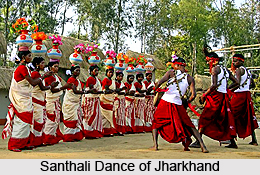
Santhali Dance
Santhali dance is a vibrant folk tradition of the Santhal tribe, reflecting the deep connection of the Santhal tribe with nature, community, and celebration. Performed during various festivals and harvest rituals, the dance features rhythmic footwork, graceful movements, and traditional music.
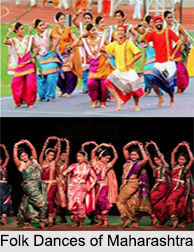
Folk Dances of Maharashtra
Folk dances of Maharashtra reflect the state's rich cultural heritage and traditions. Prominent forms include Lavani, Tamasha, Lezim, and Gondhal, each associated with specific communities and occasions. These dances combine music, rhythm, and storytelling, often performed during festivals, rituals, and social gatherings, preserving regional identity across generations.
Folk Dances of Mizoram
Folk dances of Mizoram are performed during the time of festivals. These dances are done in a group form.
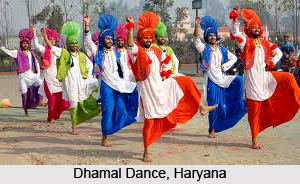
Dhamal Dance
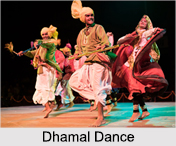
A folk dance form of Haryana, the Dhamal Dance has its roots in the days of the Mahabharata. This dance form is primarily performed by men in the outdoors and is famous in the Gurugram area of the state.
Koli Dance
A unisex folk dance form of Maharashtra, the Koli dance is a known dance form of the Koli fisher folk.
Costumes of Manipuri Dance
Costumes of Manipuri Dance are quite unique from other Indian classical dance forms.
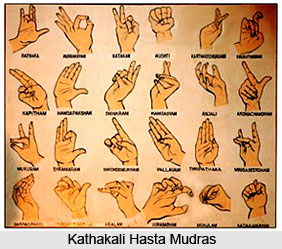
Hasta Mudras In Kathakali
Hasta Mudras are an integral part of Kathakali dance performance. The Hasta Mudras of this particular dance form are very symbolic in nature.
North Indian Dances
North Indian Dances portray various aspects of Hindu and Muslim culture that have influenced the region for a long time.
Folk Dance of Uttar Pradesh
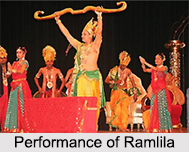
Folk dance of Uttar Pradesh shows zest of life. It includes dances like Raslila, Ramlila, Khyal, Nautanki,Naqaal,Swang, Dadra and Charkula dance.
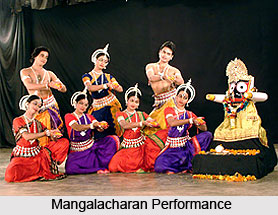
Mangalacharan Odissi Dance
Mangalachran is that part of Odissi with which the dance begins and it contributes to the invocatory part of Odissi.
Lathi Dance
Lathi dance is a dance form of West Bengal performed on the occasion of Muharram.
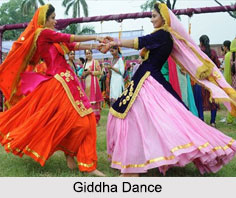
Giddha Dance
Giddha Dance of Punjab, performed only by the women, is a very popular folk art form in India. During Lohri, the Punjabi women reveal their joy through the performance of Giddha.
Folk Dances of Manipur
Manipuri folk dances include the Pung Cholom, Raslila, Maibi dance, Khamba Thaibi, Lal Haraoba and the Nupa dance.
Folk Dance of Nagaland
Folk Dance of Nagaland reflects the naga tradition and culture of the local habitants. In most of the cases, naga dances are monopoly of men with some exception but almost ever dance is associated with some kind of naga festival or tradition.
Bidesia Dance
Bidesia dance is the most popular folk dance of Bihar. The themes of the dance are social issues, contradictory topics and conflict between the traditional and the modern, the urban and rural, and the rich and the poor.
Types of Indian Dances
Types of Indian Dances reflect its cultural richness. Whilst the Classical dances form the very base of Indian dances, it is near impossible to overlook the tribal and folk elements that stand out as separate types of Indian dances.
Rabha Dance
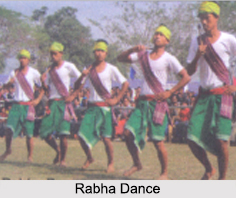
Rabha Dance is performed by the Rabha Tribes of Meghalaya in the Garo Hills.