
The play Parijata-harana has its incidents bearing from three different sources, the Vishnu Purana, the Harivamsam and the Bhagavata Purana. The lead story centers around the parijata flower and the natural jealousies of Krishna`s two wives, Rukmini and Satyabhama. On the other hand Narada, a dearest of the masses, plays an invigorating role of arousing the anger and jealousy of Krishna`s wife Satyabhama. King Narakasura of Pragjyotisapura became a threat to the gods and forcible took away Aditi`s ear-rings from Lord Indra, Lord Varuna`s umbrella, the Mani-parvata and some maidens of heaven. Soon after the incident Indra and Narada approached Lord Krishna without whom it was impossible to defeat Narakasura. Narada at that moment gifted Krishna a parijata flower which he possessed. Krina lovingly placed the flower in his wife, Rukmini`s hair who was there with him. This gave way to Narada to start off his mischief.
Narada approached Satyabhama, another wife of Krishna, and reported to her the incident. Satyabhama grew angry and jealous of Rukimini and went on a fast. Narada reported the matter to Krishna who became gravely concerned about his wife. Krishna tried to console her but all efforts were in vain. Ultimately Krishna had to assure her that the parijata plant itself would be uprooted from the garden of heaven and gifted to her which consoled her. Krishna asked Narada to procure the flower from heaven with Indra`s permission. Indra on hearing the request disagreed to it remarking that no flower from heaven can be gifted to an earthly woman. Not adhering to Indra`s words Krishna himself went to Amaravati and uprooted the plant and placed it in Satyabhama`s-palace. This infuriated Indra. In this encounter, Indra was defeated. On the other side Krishna defeated Narakasura and killed him and recovered all the articles robbed by him. Satyabhama accompanied her husband to the battlefield and during their return to Dwaraka, she saw the parijata flower blooming in the nandana garden. She asked for a flower from it.
The two stories are woven beautifully in the play. Narada`s playful mischiefs enliven the play whereas on the other hand the jealousy of the two women over their husband Krishna lights up the drama. The act of heroism of Krishna is also well portrayed in the play. Notwithstanding this, the poet inculcates the abusive dialogues between Satyabhama and Sacci, Indra`s wife over the possession of parijata flower. The usage of offensive languages of the women abusing each other of their husband`s intimate affairs with other women gives a negative shade to the play. Despite these minor blemishes, this drama reflects Sankardeva`s intellectual maturity. The execution of the drama and the portrayal of the characters provide richness to the play. The depiction of the character of Narada with his playful mischiefs remains quite absorbing. Even the striking difference of the characters of the wives adds vigour to the play. Rukmini is portrayed as a woman of nobility with much dignity and graciousness where as Satyabhama is depicted as a women flippant of conduct and approach. The play Parijata-harana conveys the frame of mind and a temper that are closer to life and both the dialogues and situation convey this impression.
Parijata-harana
Parijata-harana is a drama based on the story of parijata flower and the jealousy of Krishna`s two wives, Rukmini and Satyabhama over its possession.
Recently updated articles in Indian Literature
Gadyakarnamrita
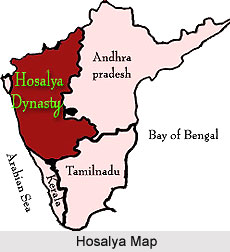
Gadyakarnamrita is a 13th-century Sanskrit literary work written mainly in prose. It describes the ninety-day battle at Srirangam between the Hoysala...
Women Writers in Malayalam Literature
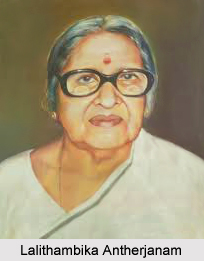
Women writers in Malayalam literature have worked incessantly to make a place for their literary works. In the earlier periods, they were completely o...
Comrade Kirillov, Novel by Raja Rao
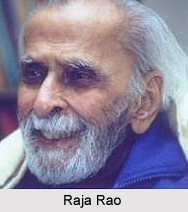
Comrade Kirillov, a distinctive creation of Raja Rao, is presented as a brief yet incisive novelette that offers an ironic portrayal of the self-contr...
The Foreigner, Novel by Arun Joshi
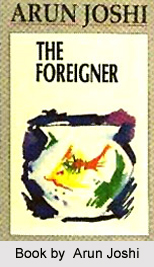
“The Foreigner” is a book authored by Arun Joshi and published by Vision. It is an illustrious creation in the entire career of Arun Joshi, the famous...
Short Story in Telugu Literature
Short Story in twentieth century Telugu Literature was extremely popular and growing in and developing in a major way. Their popularity was greatly fa...
Related articles in Indian Literature
Mythological Themes in Indian Literature
Mythological themes in Indian literature have been integral to every ancient and contemporary writer and their path to f
Literature During Gupta Age
It is during the Gupta Age literature in the form of poetry, epos and drama gained a colossal importance.
Literature of Aravidu Dynasty
Sanskrit and Telugu were the popular literary medium of communication during Aravidu dynasty.
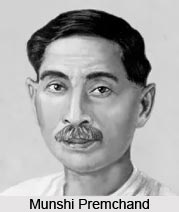
Munshi Premchand
Munshi Premchand was a legendary Indian writer notable for his modern Hindustani literature. A writer of a very high caliber, Premchand`s writings hav...
Sanskrit Poets
The names of some of the Sanskrit Poets are Bharavi, Devarshi Ramanath Shastri, Jayadeva and Srinivas Rath.