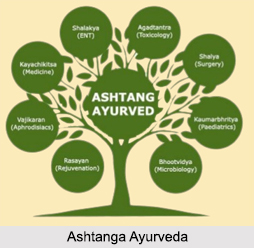
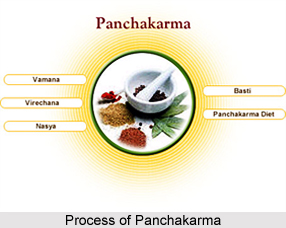
 In Sanskrit, the word Panchakarma literally means "five actions" or "five treatments". It is the foundation of Ayurvedic management of disease. Doshas and waste materials when in excess get deposited in the body as a result of improper diet and living style. The process of panchakarma eliminates these toxins and restores the essential balance of the dosha system of the body. The five main procedures of eliminating toxins from the body are Vamana, Virechana, Nasya, Basti and Raktamoskshana. In actuality these five procedures are the panchakarmas. But the process of panchakarma is regarded as an all-inclusive process that comprises the three serial methods of purva karma (preparatory methods), pradhan karma (the five above mentioned procedures) and paschat karma (post therapeutic measures). Pancha Karma is not only cures disease but also maintains a person in good health. Ashtang Ayurveda advises undergoing Panchakarma during seasonal changes to cleanse the body, increase the efficiency of the digestive system and to improve the metabolic processes.
Purva Karma
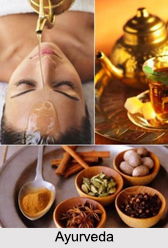
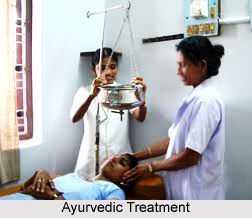
Purva karma is the preparatory phase of the process of panchakarma that prepares the body for the elimination of toxins. Paachan (Digestion), Snehan (Internal and external oleation) and Swedan (Fomentation) are the three main parts of purvakarma. The patient undergoing the process of paachan is given a unique preparation of Ghee- clarified butter in optimal amount, which facilitates the cleansing and digestive process, makes the impurities softer and lubricates the body tissues. Then comes snehan, which is a specific massage of herbal oils that promote movement of the toxins towards the gastro-intestinal tract. Oil massage also makes the surface and the interior tissues soft and flexible. Snehan is administered daily for three to seven days, in accordance with the requirement of the patient. Snehan is followed by Sweden, which refers to induced sweating by the application of steam, a treatment administered everyday immediately after snehan. An herbal potion is often added to the steam to smoothen the loosening of toxins from the individual`s body.
 Pradhan Karma
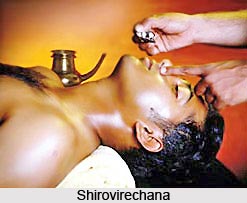
Pradhan karma is the main step in the entire process of panchakarma. Five cleansing methods are included in pradhan karma. These are Vaman (Induced vomiting), Virechan (Induced purgation), Basti (Medicated enema), Nasya (Nasal medicine) and Rakta Mokshan (Artificial bloodletting). If the lungs are clogged there are repeated attacks of bronchitis, colds, cough or asthma. In such cases Ayurveda suggests vaman or induced vomiting which helps the body to get rid of kapha that causes excess mucus. When excess of bile is secreted it gets collected in the gall bladder, liver and small intestine thereby producing rashes, acne, skin inflammation, chronic attacks of fever, vomiting, nausea and jaundice. These can be cured by virechan or purgation therapy. Basti is the application of herbal potions through the rectum that reaches the colon and relieves disorders caused due to abnormalities of vata dosha. It is a remedy for a wide range of disorders such as constipation, chronic fever, cold, sexual disorders, kidney stones, backache, muscle spasms, heart pain, gout, sciatica, rheumatism, arthritis and headaches. There are eight main types of basti, namely Anuvasana (oil enema), Niruha-Asthapana (decoction enema), Uttara Basti (through the urethra in men or vagina in women), Matra Basti (daily oil enema), Karma Basti ( a collective procedure of 30 bastis), Kala Basti (collection of 15 bastis), Yoga Basti ( which includes 8 bastis) and Bruhana Basti (nutritional enema). Since the nose is the entryway to the brain as well as consciousness, nasya or nasal administration of medication is an important process. It helps in the removal of bodily humors clogging the sinus, throat, nose or head through the nasal passage.
There are six main types of nasya, namely Pradhamana Nasya (cleansing nasya), Bruhana Nasya (nutrition nasya), Shaman Nasya (sedative nasya), Navana Nasya (decoction nasya), Marshya Nasya (ghee or oil nasya) and Prati Nasya (daily oil nasya). Toxins that get mixed up with blood may poison the body. Presence of toxins in blood is exhibited in the form of skin diseases like urticaria, rashes, herpes, eczema, acne, leukoderma, chronic itching or hives. If such things occur, then purification of blood is done by raktamoksha therapy.
Paschat Karma
Paschatkarma, the last step in the process of panchakarma includes the methods sansarjan karma and rasayana. In Sansarjan karma a particular diet is given to the patient to fortify his or her digestive capability. Rasayana incorporates those methods that rejuvenate a person after pradhan karma has been completed.
We can conclude that the process of panchakarma is an extremely helpful process. It helps eliminates toxins from the body and also keeps the body fit.