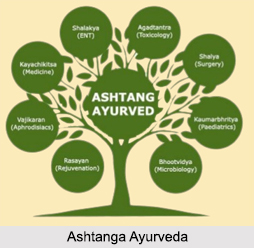
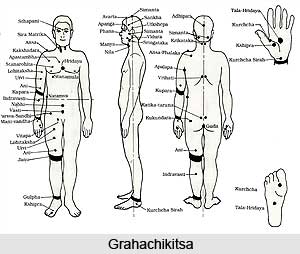
 Grahachikitsa (psychology and psychiatry), a terminology derived from the word graha, is a specialized branch of Ashtanga Ayurveda that is concerned with the treatment of delirious conditions of the mind resulting from seemingly unknown causes. Such diseases of the mind or psyche were believed by some to be external manifestations of the invasions of notorious bhutas (supernatural forces or evil spirits). For this reason Grahachikitsa was also known as bhut-vidya. These supernatural powers had different names in popular jargon ---- Bhut-khet, pretatma, samandh, pishachcha, vetal are a few of them. The ancient Indians believed that these forces are actually spirits of unfortunate people who have died without fulfilling one or some of their wishes. As a result they try to possess the bodies and minds of mentally weak people to accomplish their incomplete tasks. The possessed person then suffers from psychological disorders and is subjected to Grahachikitsa.
Apart from the evil spirits , the ancient Indians also believed in both the conducive and the adverse effects of the graha (planets), the tare (stars), the rashichakra (zodiac), the grahan (eclipse) and the sankramana (movement of the sun from one rashi or zodiac month to another) . Along with these, grahadasha (bad luck), grahapeeda (trouble caused by unfavourable stars) and amavasya-pournima (new moon-full moon) were also regarded as the causative factors of mental disorders. Some believed that the transgressions which one might have committed in one`s previous birth trouble one in one`s current birth. In general, the belief was that these superpowers, whether bhutas or grahas or previous sins are not visible to the human eye and can take human beings under their control. The treatments of all these ailments were included within the ken of the practitioner of Grahachikitsa.
In short, Grahachikitsa is the science that deals with causes and ill effects that are less physical and more mental. Grahachikitsa advocates that the patient needs a devrishi or a tantrik (person who knows how to tackle these superpowers) to be able to get rid of them.
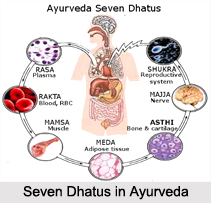
Thus this branch deals with all sorts of problems that cannot be properly explained in terms of dosh (basic body constituents), dhatu (body tissues) or mala (body wastes).The ancient treatment procedure under Grahachikitsa involved pleasing the bad spirits. Sacrificing a rooster or a goat to satisfy angry devils, offering ornaments to the Gods and prarthana-mantra pathan-pooja -shanti (prayers and ritual performances) were part of the treatment. Yadnya (fumigation performed by using disinfectant plants ) and house warming, aimed at keeping the atmosphere germ-free, were socially accepted forms of treatment for psychiatric problems. All this was done to improve the atmospheric conditions surrounding the psychologically disturbed person. In addition to these we have other practised forms of treatment like the use of herbs, the control of diet and yogic therapies like meditation and pranavama.
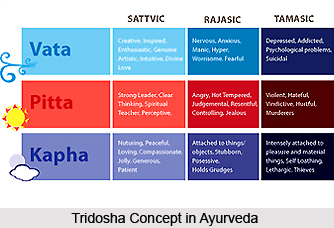
To some modern Ayurvedic practitioners, bhuta stands for microscopic organisms such as virus, bacteria that are not visible to the bare eyes. In recent terminology Grahachikitsa can be considered to be the treatment of idiopathic diseases where the exact cause of disease is not known. In most cases illness is caused by the disturbance of mind, where rajas (passion) and tamas (unawareness) are supposed to be the causative factors. These problems can be correlated to those with which modern psychiatry deals.
To summarize, Grahachikitsa deals with psychological and psychiatric problems. It tries to alleviate mental disturbances croping from unknown or rarely known causes. The healing procedure ranges from satisfying gods and devils to a more therapeutic treatment of the person concerned.