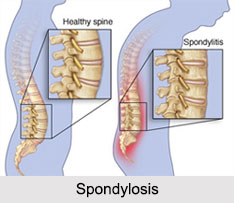
 Spondylosis is a degenerative disorder that may cause loss of normal spinal structure and function. Spondylosis is also known as "Spinal Osteoarthritis" and is considered to be another element of getting older. It is related to degeneration of the spine from wear and tear. This degenerative process of Spondylosis affects the cervical (neck), thoracic (mid-back) and lumbar (low back) regions of the spine. A patient suffering from Spondylosis experiences a phenomenon of shocks (Paresthesia) in hands and legs because of nerve compression and lack of blood flow.
Types of Spondylosis
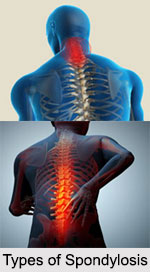
Spondylosis is of two different types. When vertebrae of the neck are involved, it is known as Cervical Spondylosis and when the lower back portion of the body is affected, it is Lumbar Spondylosis.
Causes of Spondylosis
There are numerous reasons for the occurrence of Spondylosis. This disorder arises when the space between two adjacent vertebrae narrows. Thus, the compression of a nerve root emerging from the spinal cord result in Radiculopathy that is sensory and motor system disturbances, such as severe pain in the neck, shoulder, arm, back, and leg, accompanied by muscle weakness. Furthermore, direct pressure on the spinal cord, mainly in the cervical spine results in global weakness, gait dysfunction, loss of balance, and loss of bowel and bladder control.
Symptoms of Spondylosis
Symptoms of Spondylosis include localized pain in the affected areas, usually in the back or neck. Spondylosis in the cervical spine (neck) can cause headache. People may have difficulty in turning or bending their neck. A grinding noise may be heard with movement. In case of lumbar spine (back), low back pain is most common. The pain usually spreads across the lower back, and might feel like a muscle strain. Symptoms tend to improve with rest, and are worst in the morning and at the end of the day.
Diagnosis of Spondylosis
Often, a doctor will suspect Spondylosis after an evaluation that includes a complete medical history and physical examination. An X-ray of the lower back or neck can show any fractured vertebra and confirm the diagnosis. Computed Tomography (CT) or Magnetic Resonance Imaging (MRI) scan might also be needed to detect very small fractures.
Treatment of Spondylosis
Treatment of Spondylosis is mainly conservative in nature. Spondylosis is treated commonly by using Non-Steroidal Anti-Inflammatory Drugs (NSAIDs). The basic means of treating Spondylosis include physical modes and lifestyle modifications. Other alternative therapies such as Chiropractic and Acupuncture are also employed to control pain and maintain musculoskeletal function. Apart from medications and alternative therapies, surgery is also occasionally performed. Spondylosis can be caused in any individual at any age.