 Jamun Tree is generally grown as avenue tree or as wind break. Jamun is a kind of `Java Plum` that is a medium-sized or large tree with a straight trunk. The tropical tree is graceful in form and evergreen. It is a native to India, Pakistan, Malaysia, Burma and Sri Lanka and very much recognizable to most of the people for its medicinal properties. Though it has uniquely designed leaves and it profuse sweet-scented flowers annually, very few people recognize it in that way.
The Jamun Tree in India is also known as Nerale Hannu, Jamblang, Jambolan, Black Plum, Damson Plum, Duhat Plum, Jambolan Plum, Java Plum or Portuguese Plum. "Malabar plum" may also refer to other species of Syzygium. According to Hindu tradition, Lord Rama subsisted on the fruit in the forest for 14 years during his exile from Ayodhya. Because of this, many Hindus regard Jamun as a `fruit of the Gods, ` especially in Gujarat, where it is known locally as jamboon.
Description of Jamun Tree
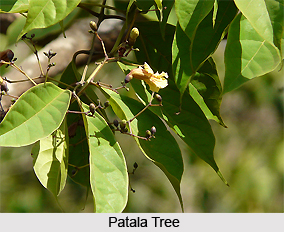
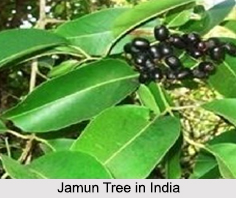
The Jamun Tree in India has some long leaves that hang from the above. They crowd near the end of the branches and bear up to a number of leaflets that count 29 to 31. Each of the leaves is about 7.5 cm in length, severely jagged, sharply pointed and curvy like a sweep. Their surface is fresh, green in colour, and very shining. It gives the tree a delicate and appealing view. During the monsoon, the flowers fall down and the tree gets in full flora. To recognize easily, the curved and notched leaves mass around the branches and make a distinguishing appearance.
Favourable Conditions for growing Jamun Tree
The Jamun Tree in India thrives best in the dry areas. Since Jamun is a hard fruit, it can be grown under adverse soil and environment. It seeks dry weather at the time of flowering and fruit setting. Early rain is good for better growth, development and ripening of fruit. Young plants are susceptible to frost.
The Jamun trees are grown on a wide range of soils-calcareous, saline sodic soils and marshy areas. Deep loam and well-drained soils are, however, beneficial. It does not require very heavy and light sandy soils.
Species of Jamun tree
The Eugenia genus encompasses a diverse assemblage of approximately 1,000 evergreen tree and shrub species, predominantly hailing from tropical regions. Notably, certain former Old World Eugenia species have been reclassified into the Syzygium genus. This taxonomic group falls within the Myrtaceae family. A significant proportion of these species bear edible fruits, with select varieties possessing ornamental and medicinal attributes.
Among these, the species S. fruticosum emerges as a noteworthy example, valued for its diminutive edible fruits and employed for windbreak cultivation. This substantial evergreen tree bears compact dark purple fruits characterized by conspicuous elongated seeds. Even in its ripe state, the fruit retains astringent properties inducing tissue contraction. A well-regarded member is the S. jambos, commonly referred to as the rose apple or gulab-jamun. Indigenous to South India and West Bengal, this tree boasts both ornamental and gustatory qualities.
Prevalent in North Indian conditions is the "Ram Jamun" variety, recognized for its substantial, oblong fruits that assume a deep purple or bluish-black hue upon full ripening. The ripe fruit`s pulp presents itself in shades of purple-pink, exuding a juicy and sweet character while harboring a comparatively small stone. Alternatively, a tardier maturing cultivar produces smaller, slightly rounded fruits which attain a deep purple or blackish color upon full ripening. The pulp takes on a purple tone, possessing diminished juiciness and pulp weight as well as sweetness when compared to the `Ram Jamun`. Notably, the stone in this variant is comparatively larger. Contemporary circumstances present a rich diversity of jambun seedling strains within India, effectively offering a fertile ground for the selection and propagation of improved variants.
Propagation of Jamun Tree
The propagation of the Jamun tree encompasses a range of techniques, spanning from seed propagation to various vegetative methods. The unique feature of polyembryony within the Jamun seed allows for true-to-parent outcomes through seed propagation. Although some success has been achieved with vegetative methods, seed propagation remains the preferred approach, notwithstanding its potential for delayed fruit-bearing.
The seeds of the Jamun exhibit no dormancy, and their immediate use is recommended. Germination typically occurs within a span of 10 to 15 days. Once germinated, seedlings can be transplanted as rootstock either in the subsequent spring months (February to March) or during the monsoon period, spanning August to September.
The process of propagating the Jamun tree is both economically viable and convenient. Budding is a commonly employed technique, particularly on one-year-old seedling stocks boasting a diameter of 10 to 14 mm. The optimal timeframe for budding falls between July and August in regions with minimal rainfall. In areas characterized by abundant and early rains, budding activities are initiated as early as May-June. A trio of successful budding methods, namely shield, patch, and forkert have emerged. Among these, the forkert method has demonstrated superior efficacy in comparison to shield or `T` budding.
While less prevalent on a commercial scale, the inarching technique is another avenue for Jamun propagation. This method involves the grafting of one-year-old seedlings, nurtured in pots, onto mature Jamun trees with the assistance of wooden supports. This procedure typically takes place during the months of June and July. For propagation through cuttings, the Jamun tree thrives under intermittent mist conditions. Semi-hardwood cuttings, measuring 20-25 cm, sourced from the spring growth of both S. jambos and S. javanica species, yield optimal results when planted in July and treated with 2000 ppm IBA.
Uses of Jamun bark
The bark derived from the Jamun tree stands as a versatile natural resource, characterized by both acrid and sweet properties. Possessing inherent digestive attributes, it functions as an astringent agent, capable of eradicating parasitic worms. Beyond its medicinal significance, the bark of the Jamun tree harbors noteworthy contributions to health and well-being.
A prominent role of the Jamun bark is its role in blood purification, effectively cleansing the circulatory system and aiding in the removal of toxins. This valuable attribute extends to the alleviation of diverse ailments. Notably, the bark is an efficacious remedy for sore throats, bronchitis, and asthma, providing relief and facilitating improved respiratory function.
Moreover, the bark`s qualities extend to addressing conditions of thirst and biliousness, effectively moderating these discomforts. It holds the capacity to combat dysentery, a significant gastrointestinal concern, by virtue of its astringent and antimicrobial properties. The presence of ulcers is also countered by the application of Jamun tree bark, contributing to the healing process and alleviating associated discomfort.
Uses of Jamun fruit
The fruit of Jamun tree is oblong, ovoid, starts green and turns pink to shining crimson black as it matures. A variant of the tree produces white coloured fruit. The fruit has a combination of sweet, mildly sour and astringent flavour and tends to colour the tongue purple. Jamun is a summer fruit.
The Jamun fruit emerges as a treasure trove of health benefits, finding its applications across various holistic healing systems such as Ayurveda, Unani, and Chinese medicine. Its versatile components, including the seeds, leaves, and bark, are harnessed for an array of therapeutic purposes, illustrating its significance in promoting overall well-being. Incorporated into alternative healing practices, the seeds of the Jamun fruit become a focal point for addressing digestive disorders. Additionally, the leaves and bark showcase their efficacy in managing blood pressure levels and combating gingivitis, showcasing the fruit`s multifaceted contributions to health management.
The diverse utility of the Jamun fruit extends beyond its direct consumption. This remarkable fruit serves as the foundation for the creation of wine and vinegar, showcasing its potential as a culinary ingredient. Its nutritional profile is equally noteworthy, rich in essential vitamins such as A and C, alongside a spectrum of minerals including iron, calcium, phosphorus, and magnesium. Its relatively low caloric content makes it a suitable inclusion for individuals with diabetes, while its polyphenolic compounds exhibit promising capabilities in diabetes management. Jamun fruits are a good source of iron, antioxidants and essential minerals and are believed to be useful in the troubles of heart and liver.
The Jamun fruit`s applications extend to addressing conditions like anemia, as its consumption is associated with the elevation of red blood cell count and hemoglobin levels, thereby supporting those in need of improved blood health.
Beyond its internal benefits, the Jamun fruit actively contributes to external well-being. By promoting digestive vitality and purifying the bloodstream, it imparts a natural radiance to the skin, fostering a blemish-free complexion. Moreover, the balanced combination of acrid and sweet properties within the fruit contributes to oral hygiene, preventing issues like bad breath and oral discomfort.
Uses of Jamun seed
The Jamun seed is ingrained in traditional medicinal practices. Drawing attention from diverse corners of the globe, these seeds have been incorporated into treatments for diabetes, courtesy of compounds like Jamboline and Jambosine. These compounds play a pivotal role in regulating blood sugar levels, by mitigating the rapid release of sugar into the bloodstream while concurrently promoting increased insulin production, thus offering effective management of diabetes. Beyond diabetic concerns, Jamun seeds are useful for those embarked on weight loss journeys. Rich in dietary fiber, these seeds are adept at inducing a prolonged sense of fullness, an asset to anyone seeking to manage their appetite.
Embracing the realm of immune support, Jamun seeds prove their mettle as potent immunity enhancers. A robust presence of antioxidants, including flavonoids and phenolic compounds, bestows the seeds with the capacity to combat harmful free radicals, bolstering the body`s defense mechanisms. Among their arsenal of components, ellagic acid emerges as a key player, demonstrating efficacy in counteracting hypertension, a pressing concern in modern health landscapes.
The multifaceted prowess of Jamun seeds extends to addressing a spectrum of ailments. Within the realm of colds, coughs, and fevers, these seeds have been accorded their role in traditional medicine. Moreover, their application spans to skin afflictions, ranging from rashes to mouth, throat, intestine, and genitourinary tract ulcers, underscoring their versatile healing potential across various bodily systems.
Uses of Jamun leaves
Among numerous applications of Jamun, the tender leaves of the tree have been harnessed as a potent solution to address childhood diarrhea. Through the extraction of their rejuvenating juice, these leaves offer a gentle yet effective means of alleviating this common ailment, presenting a natural alternative for promoting gastrointestinal comfort in young ones.
Another intriguing facet of Jamun leaves lies in their potential contribution to oral health. The ash derived from burning these leaves finds purpose as a resource for fortifying teeth and gums. This traditional practice underscores the leaves` multifaceted benefits, extending beyond their dietary and medicinal uses to encompass oral hygiene.
Uses of Jamun Tree
In Maharashtrian culture the leaves of Jamun tree are used as marriage pandals. This tree is used in Andhra Pradesh to make bullock cart wheels and other agricultural equipment.