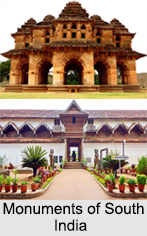
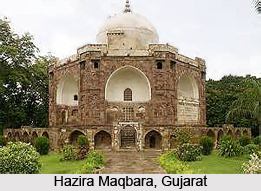
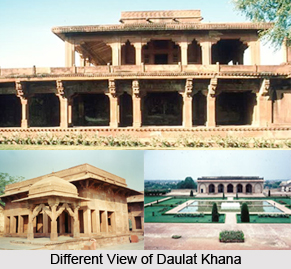
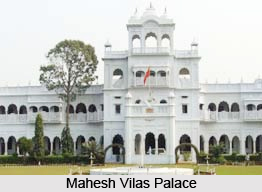
 Monuments of Punjab rightly reflect the spirit of the state that is associated with courage, graciousness and glory. Punjab is well known for its ancient and historic structures that have been successful in safeguarding the cultural heritage and lavish architecture. A nostalgic charm of the bygone era is associated with them as well. There are several Gurudwaras or places of worship here. For instance, Golden Temple is described as the pride of Punjab. Moreover, some of the other popular monuments of this state are Sheesh Mahal, Old Motibagh Palace, Fort Museum, Durgiana Mandir, Sainik School of Kapurthala, Moorish Mosque, Bhatinda Fort and more. These are some of the major tourist attractions of the state of Punjab. The Darball Hall or the Divan Khana is a major ancient monument of this state.
Cities like Amritsar, Chandigarh, Bhatinda, Jalandhar, Ludhiana and others are dotted with historical monuments. A noticeable feature in these monuments of Punjab is their impressive architecture. The lavish carvings, rich stucco designs, decorated walls with the fusion of Islamic, Indian and western culture, portray the Punjab`s glorious past. The forts and palaces of Punjab depict the lives and the lifestyles of the royal families. Several measurements have been undertaken by the government of Punjab towards the maintenance of these ancient buildings by declaring them as heritage monuments.
Some popular Monuments of Punjab are mentioned below:
Sri Harmandir Sahib
Sri Harmandir Sahib or Golden Temple is a gurdwara located in the city of Amritsar. It is the preeminent spiritual site of Sikhism. The gurdwara is built around a man-made pool that was completed by the fourth Sikh Guru, Guru Ram Das, in 1577.
Old Motibagh Palace
Old Motibagh Palace of late 19th century, one of the largest residencies in Asia, is located in Patiala. It reflects a combination of Rajput and Mughal styles of architecture. There are near about 15 dining-rooms and a huge central saloon inside this palace. It has been now been transformed into a museum.
Sainik School
Sainik School is amongst one of the famous monuments in Kapurthala, which was formerly known as Jagatjit Palace. It was designed by French architect M. Marcel. Construction of Sainik School began in 1900 and was completed in 1908.
Elysee Palace
Elysee Palace or Jalaukhana, built by Kanwar Bikrama Singh is another popular monument of this place. Built in 1862, the Indo-French architecture of this palace speaks of the glory of the bygone era. It cost 3.4 million rupees during the construction and is spread over 300 acres of land.
Moorish Mosque
Moorish Mosque is one of the magnificent monuments of Punjab. It took 13 years for the construction of this lavish building. It has been considered as a National Monument of the country by the Archaeological Survey of India.
Jallianwala Bagh
Jallianwala Bagh is a historic garden and memorial of national importance in Amritsar. The monument was constructed in the memory of those wounded and killed in the Jallianwala Bagh Massacre on the festival of Baisakhi, 13 April 1919. It houses a museum, gallery and a number of memorial structures.
Qila Mubarak
Qila Mubarak, is a historical monument in the heart of the city of Bathinda in Punjab, India. It is maintained by Archaeological Survey of India. It is believed to have been constructed from 1100-1200 AD and is the oldest surviving fort in India.
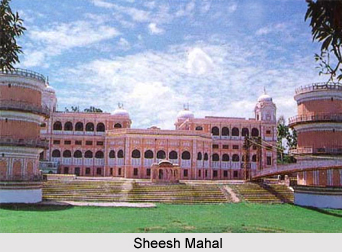
Sheesh Mahal
Sheesh Mahal or the “Palace of Mirrors†in Patiala is a visual grandeur in true sense. It was originally home to the Kings of Patiala. The design of the palace was conceived by Maharaja Narinder Singh and was build during 1845 to 1862. A portion of the palace is made of colored glasses, which gives a vibrant touch.
Monuments of Punjab clearly depict the history of this state at different phases of the past. Different cities of this state have different history associated with them and it gets reflected through the lavish and stunning monuments of Punjab.