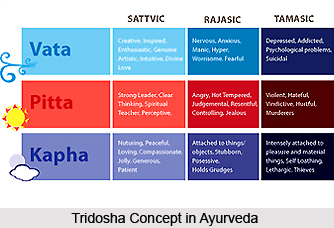
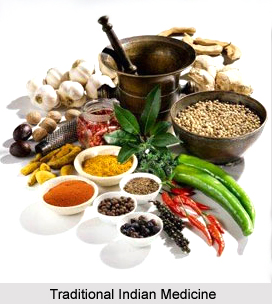
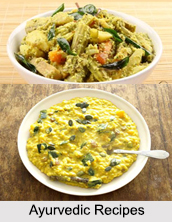
 Ayurvedic Recipes are the most exquisite in its exotic taste, aroma, textures and colours. Ayurveda advocates eating food according to the three doshas of body - Vata, Pitta and Kapha. These recipes are prepared to provide you maximum health benefits by achieving detoxification and providing essential nutrients and nourishment. Ayurveda is a balanced approach to eating that suggests eating mindfully, healthfully and with gratitude.
Health Benefits of Ayurvedic Recipes
When people try Ayurvedic recipes, they discover a, deep sense of fulfilment and satisfaction. Their whole system responds to the nourishment that comes from the subtle tastes and aromas of the special blend of spices. These subtle spices and aromas play a vital role in bringing us to a deeper level of health and well-being. According to Ayurveda, a good food habit helps to improves ones physical and mental wellbeing.
Method of Cooking Ayurvedic Recipes
Ayurvedic Recipes are personalized to the different physical constitutions and Ayurvedic principles. Indian cooking is based upon the therapeutic principles of the ancient Ayurvedic science of life. Ayurvedic recipes are free of the excess use of spices, sugars and oils that characterize the commercial line of modern Indian cooking. Ways of preparing food to alter certain properties, or to antidote possible side-effects, are also covered in Ayurvedic recipes. The art of using spices, cooking not only to make the food taste better, but to enhance therapeutic value is the magic behind the healthy Ayurvedic Recipes.
Food Combinations in Ayurvedic Recipes
Proper food combination is a key to reducing potential aama and enhancing absorption. Lightening a heavy food will aid its digestion, absorption and assimilation. Moistening a dry food through soaking and thorough cooking will give the digestive tract a better chance of absorbing its vital nutrients without excessive elimination of gas. Warming a cold food promotes nourishment and minimizes the creation of aama, toxic wastes. Ayurvedic recipes are specifically designed to enhance digestion and promote absorption using these principles.
Many books on Ayurvedic recipes tell what food items are good for different constitutions, but without the knowledge of how to cook Ayurvedically, and without specific recipes, such information remains limited.