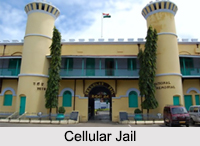
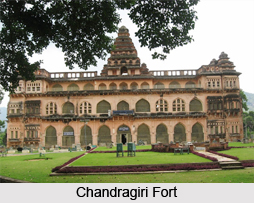
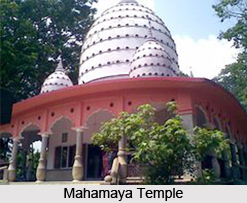
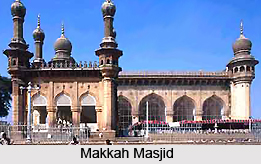
 Art and architecture during British Rule in India were the most touched and significant areas, which developed to the maximum and witnessed a pan Indian sweeping growth. Art, architecture, culture and social reformation were some of the primary areas that always had made an impact on Indian population. British Empire had arrived to the country long back in the early 16th century, when Mughals still ruled in glory and admiration. British culture, architecture and artistic developments paved a fresh innovative path, looking towards westernisation in every sphere. However, with each passing century, British rule became ruthless and more painful, keeping aside the positive sides of the few generals or lords.
Art during British Rule
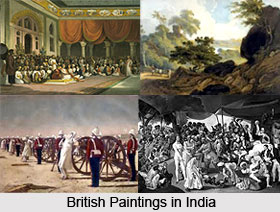
Painting during early British rule in India looked towards gifted Englishmen arriving to the country in search of solid footage and princely patronage. These men had a primary intention to please and pacify Indian, as well as British upper society. Such paintings had a common theme of royalist touch in every brush stroke these painters made. Numerous prized collections were later accumulated in the name of these famed English painters, making such creations a magnum opus affair.
Sculpture during early British rule was perhaps the most telling and excellent work of art that attracted numerous Indians and English alike. Church and finery works were primarily looked after, including perfect carvings of funeral epitaphs. Just like in other spheres, English sculptors also arrived in India in search of regal sponsorship and make their talent known to people on the other side of the globe. Benevolent British officers inaugurated a passionate theme of work, at times even dedicated to Indian men. War was also a common theme, which made way for these sculptors to render masterpiece work.
Natural history and art during British rule in India was momentous for its scholarly attempts by Englishmen to educate Indians in science, plant and animal life. Art had developed through such attempts, like painting by noted English people, resolved to make an educative endeavour in India. Dissertation papers had come up from British scholars, alongside naturalistic paintings and further enhancement of flora and fauna.
Architecture during British Rule
Architecture during early British rule in India comprised colossal stone and wood structures, erected during the 17th century. In the emerging stages, British viceroy-generals like Robert Clive managed huge efforts to build such architectural wonders in the essential port cities of India.
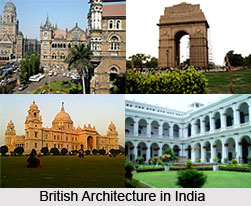 Early British architectural design composed of charts and outlined plans already erected successfully back in England. This period witnessed the shipping of skilled British architects and young men, equipped with clever motives to make Indian artistic design much like western modes. Indian educated class or the comparatively poorer class did not possess the amount of talent that their English masters were looking for. As such, architectures were planned by the already utilised British structural wonders.
British Architecture in Kolkata
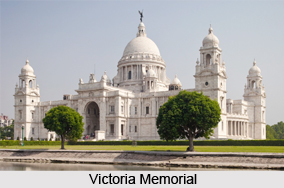
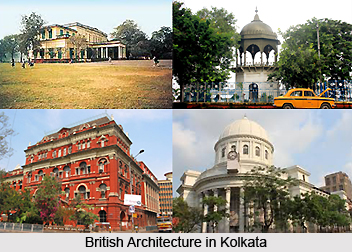
Architectural developments of Kolkata, formerly Calcutta, during British rule in India were overwhelming in every aspect of daily existence. Reconstruction of Kolkata during British rule can be called a mandatory affair, which the British had to accomplish in their rule of colonialism. Kolkata was the erstwhile capital city under English administration, paving the way for architectural renovations and reconstructions. To suit the taste of passing years, several monuments were demolished to be rebuilt. Such was the impact that natives even tried to change their architectural tastes to a British one. Lord Wellesley and Lord Curzon can be called the harbingers of architectural overhauling in this extremely momentous city. Kolkata was perhaps the most eventful city, which was turned into a complete colonial and westernised place, just to suit the tastes of British masters. The government house falls into this category, as well as the historical building up of St. Paul`s Cathedral, Kolkata.
British Architecture in Mumbai
Architectural developments of Mumbai, formerly Bombay, during British rule in India were significant, standing tall in their regal and neo-classical look. Churches, town halls and several other structures, bearing semblance with England counterparts paved a fresh way for Mumbai. Mumbai completely metamorphosed into a polished city, much to intimidate Kolkata.
British Architecture in New Delhi
Architectural developments of New Delhi during British rule in India were tremendous still to this day, if one leaves aside the Mughal architectures. The pace and momentum with which British generals took up the task to reconstruct Delhi was indeed praiseworthy. As New Delhi was declared the capital city after Kolkata, the imperial city was never the same again, adopting a perfect colonial appearance. War memorials were built up in honour; churches of gothic architecture came into being. Architects were called from England for this sole purpose of supreme importance to generals.
British Architecture in Chennai
Architectural developments of Chennai, formerly Madras, during British rule in India comprised a massive overhaul in every Christian architectural creation that was present in the port city. Churches were primarily taken into account, giving them a clean English look, deriving inspiration from their London counterpart. Even bungalows were rebuilt in certain areas to suit the high-flying style. Massive banquet halls came into being for official evening functions, every nook emoting out a classical feel.
Later Development of British Architecture of India
During 19th century, Architectural developments in India by British consisted of the rise of bungalow styled architecture from a plain native styled common thatched hut. 19th century was a significant advancement in British Empire, making way for such improvisations. The classical, the gothic look was heavily witnessed in every English creation. As such, hill stations started gaining momentum as admired outings.
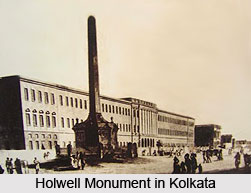 British military monuments in India were predominated with a lone guiding factor, that being the sublime increase in military monuments. The churches of Kolkata and Chennai were the foremost cities where such buildings took place. Exquisite etchings of slain soldiers and officers still do commemorate these churches erected by the British.
Indian art and craft during British rule were extremely praiseworthy in the attempts made by both British talents and later by educated natives. The overwhelming participation and amount of interest shown by British rulers in Indian art and craft was surprising in its inaugural issues. The British even displayed such enthusiasm as to build up schools precisely for the specified purpose. Schools and exhibitions were established in the primary cities of Chennai, Kolkata and even Lahore. The oriental look had much appealed the western tastes of the British, taking pride place in British museums.