Course of Yamuna River
|
Most of the course of River Yamuna is covered up in the state of Himachal Pradesh.
|
|
|
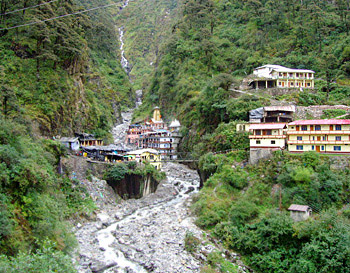 After originating in Yamunotri, River Yamuna enters Himachal Pradesh at Khadar Majri in Sirmaur district. Yamuna River is the largest tributary of the Ganga. The Yamuna River has a mythical association to the Sun. The river rises from Yamunotri in Gharwal hills and thus forms the Eastern boundary with Uttar Pradesh. The Yamuna is the Eastern-most river of Himachal Pradesh. Its well-known tributaries are Tons, Pabbar and Giri or Giri Ganga. The Giri Ganga begins near Kupar peak just above Jubbal town in Shimla district, Tons from Yamunotri and Pabbar from Chandra Nahan Lake near the Chansal peak in Rohru tehsil of Shimla district. The total catchment area of River Yamuna in Himachal Pradesh is 2,320 km. The river leaves the state near Tajewala and enters into the Haryana state. After originating in Yamunotri, River Yamuna enters Himachal Pradesh at Khadar Majri in Sirmaur district. Yamuna River is the largest tributary of the Ganga. The Yamuna River has a mythical association to the Sun. The river rises from Yamunotri in Gharwal hills and thus forms the Eastern boundary with Uttar Pradesh. The Yamuna is the Eastern-most river of Himachal Pradesh. Its well-known tributaries are Tons, Pabbar and Giri or Giri Ganga. The Giri Ganga begins near Kupar peak just above Jubbal town in Shimla district, Tons from Yamunotri and Pabbar from Chandra Nahan Lake near the Chansal peak in Rohru tehsil of Shimla district. The total catchment area of River Yamuna in Himachal Pradesh is 2,320 km. The river leaves the state near Tajewala and enters into the Haryana state.
The main geographic features of the Yamuna valley in the course of the river are interlocking spurs, gorges, steep rock benches and terraces. The river has formed these features over the past thousands of years. The area is thoroughly drained by the Yamuna system includes Giri-Satluj water divide in Himachal Pradesh to the Yamuna Bhilagana water divide in Gharwal.
The Southeastern slopes at the Shimla ridges are drained by the Yamuna river system too. The utilization of water of the river system is being done by the way of transportation of timber wood, irrigation and a hydel power generation. After Himachal Pradesh, the river passes the Indian states of Haryana, Delhi and Uttar Pradesh where it confluences with the Ganga river at Allahabad. The Yamuna River is almost 2,525 km. long.
This article is a stub. You can enrich by adding more information to it. Send your Write Up to content@indianetzone.com
|
|
|
|





