


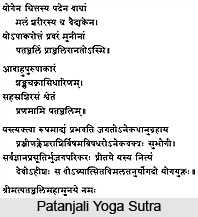
 The fifty-second yoga sutra speaks about the excessive alluring that a yogi has to face, in order to reach the state of self-realisation. Celestial beings are always of the inclination to pull down a concentrating yogi from his yogic gracefulness. It can lead to extreme temptation, which must be avoided by a sadhaka, who has achieved a supreme elevated stage in yoga. Patanjali warns all the four stages of yogic sadhakas, who should never fall victim to absolute enticements, and keep their hearts free of impulses. The fifty-second yoga sutra speaks about the excessive alluring that a yogi has to face, in order to reach the state of self-realisation. Celestial beings are always of the inclination to pull down a concentrating yogi from his yogic gracefulness. It can lead to extreme temptation, which must be avoided by a sadhaka, who has achieved a supreme elevated stage in yoga. Patanjali warns all the four stages of yogic sadhakas, who should never fall victim to absolute enticements, and keep their hearts free of impulses.
sthani a place or position, rank, dignity, presiding deities upanimantrane on invitation, on being invited sanga coming together, union, contact, association smaya wonder, surprise, smile akaranam non-performance punah again anista undesirable, unfavourable prasahgat connection, event When approached by celestial beings, there should be neither attachment nor surprise, because undesirable connections can happen again. Celestial beings try to seduce the yogi from the refinement of yoga. The yogi must maintain his hard-won freedom, and must not fall prey to temptations that can raze him down from the height of spirituality. Like seductresses, celestial beings try to lure the successful yogi to his doom. If he submits to their cajoleries, he is again caught in sensory pleasures and miseries, and falls from the grace of yoga. There are four types of yogis. They are known as - prathama kalpika, madhubhumika, prajnajyoti and atikrantabhavamya. Prathama kalpika yogis have worked hard in their yogic practices, and the power of progress has just begun to dawn. Madhubhumika yogis have learned to distinguish between citta and the seer and try to achieve further mastery. (They are also called rtambhara prajnas.) The prajnajyotis have succeeded in subduing the elements of nature, the qualities of the senses of perception, mind and desires and have realised the seer, while the atikrantabhavamyas have attained the highest knowledge of the seer and have the power of olparavava-gya (highest dispassion). Patanjali warns all classes of yogis not to let themselves be lured into angelic 'traps', but to detach themselves from these divine temptations, so that their hearts have no room to hold unwelcome feelings and urges. |
| |||



Home > Health > Yoga > Patanjali Yoga Sutras > Vibhuti Pada > Sthanyupanimantrane sahgasmayakaranam punaranista prasahgat
Sthanyupanimantrane sahgasmayakaranam punaranista prasahgat
| This is the fifty-second yogic sutra, which is contained in the third phase of the Patanjali Yoga Sutras. |
| ||||||||||||||||||||||||||||

