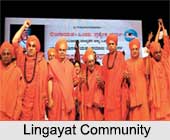
 Lingayat Community is an Indian Community that dates back to the 12th century AD and are also known as Virashaivites or militant Shaivite. This sect was characterised by an anti-Brahmanical sprit. The Kakatiya kings of Andhra Pradesh, the Sangama kings of the Vijayanagar Empire and others were all Lingayats. Lingayat queens like Rudrama Devi, Chennamma of Kaladi kingdom and others have made a mark in history by their heroism.
The contribution of the Lingayat community to the religion, philosophy and literature of India is long standing.
Lingayat Community is an Indian Community that dates back to the 12th century AD and are also known as Virashaivites or militant Shaivite. This sect was characterised by an anti-Brahmanical sprit. The Kakatiya kings of Andhra Pradesh, the Sangama kings of the Vijayanagar Empire and others were all Lingayats. Lingayat queens like Rudrama Devi, Chennamma of Kaladi kingdom and others have made a mark in history by their heroism.
The contribution of the Lingayat community to the religion, philosophy and literature of India is long standing.
Origin of Lingayat Community
Lingayat Community was founded by Basavanna in the 12th century AD. The philosophy of the Lingayats was influenced by the teachings of both Shankaracharya and Ramanuja. The followers of this sect gave great prominence to the Shiva linga and the Nandi, the bull.
Religion of Lingayat Community
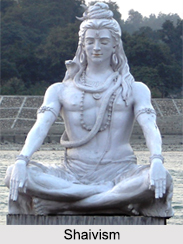
The Lingayat community regards Lord Shiva as supreme and worship; hence they are called "Vira Shaivas" or stalwart Shaivas. Reverence is paid by the Lingayatas to the 63 Nayanaras of the Tamil country whom they regard as elders or "Puratanas". They believe that God is real and that the goal of life is to attune oneself to the Divine and bring harmony into life. They also believe that the body is the temple of the soul. All occupation is a means of worshipping the divine.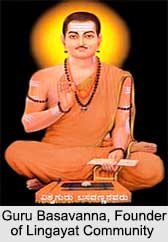
Society of Lingayat Community
The Lingayat community observes all major Hindu festivals such as Vijaya Dashami, Shivaratri, Makar Sankranti, Ganesh Chaturthi and Diwali. Lingayat community also has several exogamous sects. For the Lingayats marriage is a sacrament. They allow widow re-marriage and divorce. Lingayat community bury their dead and there is no mourning period nor are the yearly shraadh ceremonies performed as among the Hindus. The Lingayats believe in rebirth.
They have contributed to the different literatures of the country like Sanskrit literature, Kannada literature, Telugu literature and Marathi literature through ages. The Vachanas of Basavanna are held in special esteem and the Surya Sampadana is the quintessence of Virashaivism.
Profession of Lingayat Community
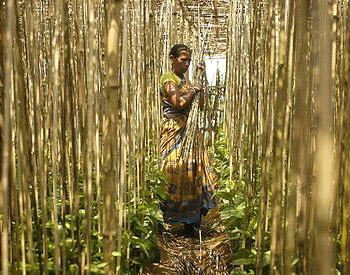
Though they are predominantly engaged in agriculture, trade and industry has also been a lucrative occupation for them. The members of this community deal in grain, cloth, groceries and spices. Lingayats, in fact, play a dominant role in the economic, educational, social and political life of Karnataka.
Over 80 percent of the educational institutions in Karnataka are supported by the Lingayats as are many associations and societies that look after the educational needs of the people. Outstanding educationists from this community have played a special part in the spread of education. As rulers, ministers and soldiers, the Lingayats were moulders of the political scene in the past.