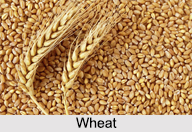
 Wheat is the second most important crop in India next to rice. This food grain of the country is actually the staple food of the people of north-western India. A huge portion of the total cropped area in the country is under the production of wheat crop. The gluten present in wheat determines its chapati making quality. Wheat is defined as a cultivated grass which is grown chiefly for its nutritional grains. It grows everywhere between 2 and 4 feet. The scientific name of wheat is "Gramineae" and belongs to the genus "Triticum".
Types of Wheat
An extensive variety of wheat is grown in India and these are as follows:
•Hard Red Winter Wheat: It produces high-quality class flour which is used mainly in making bread, burgers, biscuits, etc. It has high protein content.
•Soft Wheat: Different food products like cakes, doughnuts, cookies, pastries, etc. are made with soft wheat. It contains about 6-10 percent protein in it.
•Durum: It has a very hard quality and has a high protein in it. It contains semolina, which is used in making pasta products like noodles, spaghetti, etc.
•White Wheat: It has a soft texture and is used in making cereals, cakes, biscuits, etc.
Wheat Production in India
Botanically, wheat kernel is a type of fruit called "caryopses". It does well on the loamy soils of Northern plains covering Punjab, Haryana and western Uttar Pradesh. It also grows well in the black soils of Madhya Pradesh. The small areas expand towards the rest of Uttar Pradesh, Bihar, Rajasthan, Gujarat and Maharashtra. It is, however, fundamentally a crop of north India.
Methods of Wheat Cultivation
Agricultural cultivation using horse collar leveraged plows was one of the primary innovations that increased production. Another great increase in productivity occurred much later when the exploit of seed drills restored broadcasting sowing of seed in the 18th century.
The use of fertilizers became extensive and improved agricultural farming has more recently included threshing machines and reaping machines, tractor-drawn cultivators and planters, and better varieties. Wheat is sown by the following methods: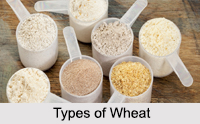
•Broadcasting: In this method, the seeds are broadcast and then worked in by harrowing in order to cover them.
•Behind Local Plough: This method is used by majority of farmers. This method consists of dropping the seeds by hand into the furrows that have been opened with local plough. In this method, seeds are dropped off at a depth of 5-6 centimetres.
•Drilling: In this method, seed is sown by seed drill. Seed drills are easily accessible in the market. With the aid of this implement seed drop at depth and results in consistent germination.
•Dibbling: This method is used in case where supply of seed is restricted. Sowing is done with the help of a small implement known as `Dibbler`. It is not a familiar method because it is a very time overshadowing process.
Conditions for Wheat Production in India
Wheat is grown more on land area than any other food crop. Wheat requires a cool and wet climate during the growing season and a dry warm climate at the time of ripening. A few spell of winter showers or guaranteed irrigation, ensures an abundant harvest. Unlike the rice crop, it is not so much at the mercy of forces of nature. It also prefers clayey alluvial soils. In India, wheat is mainly grown in those areas, which receive less than 100 centimetres per year. At the time of sowing of this crop, adequate moisture in the soil is required. Wheat is sown in moderately large areas during that time of the year when a few showers of rain fall before it is sown.
Wheat basically needs to be irrigated for around seven times during its growing period if it rains. Moreover, bright sunshine during the ripening period increases its yield. Warm and dry weather facilitates harvesting of the crop. In India, it has been observed that the climatic conditions required for the growth of wheat are below optimum. Besides relatively poor climatic conditions, poor supplies of fertilizers, inadequate irrigation and shortage of electricity and diesel oil adversely affect the production of wheat. Thus, India is not ideally suited for wheat cultivation because of short and moderately dry and warm winter season.
Uses of Wheat in India
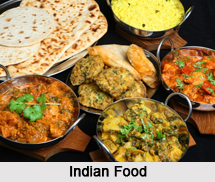
Wheat is one of the staple foods of India along with the rice. It is usually milled into flour which is then used to make an extensive array of foods including bread, crumpets, muffins, noodles, pasta, biscuits, cakes, pastries, cereal bars, sweet and salty snack foods, crackers, crisp-breads, sauces and confectionery. It has loads of vitamins and minerals but it is mostly rich in vitamin E. It is known to be the major source of the vitamin B complex in nutritional structures in the world and includes vitamins.
Wheat has a natural ability to control weight. It is immensely effective in patients with metabolic disorders. Foods made from developed grains not only tend to boost weight but also raise the risks of insulin resistance. People who go through from diabetes are able to keep their sugar levels under control by replacing the rice with wheat in their diet.
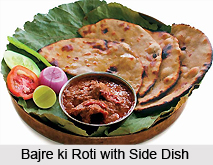
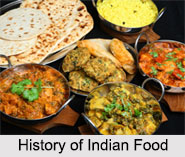
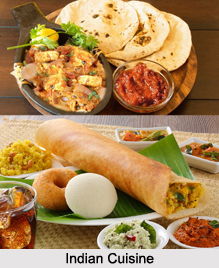
In India, wheat is generally known as `atta` and is eaten mostly in the form of rotis, chapatis, etc. Wheat has been playing an imperative role in leveraging the agrarian scenario of India.