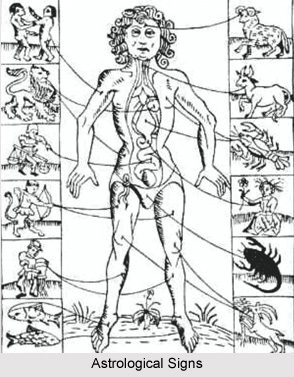
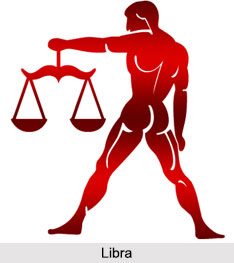
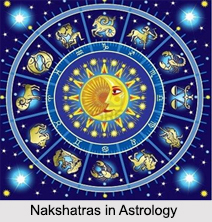
 Nakshatras in Astrology are the 27 constellations forming a belt, against backdrop of which the zodiacs are considered. Geographically, these Nakshatras are 300 to 400 light years away from earth. Nakshatras in Astrology have exclusive system of prediction which is based on the position of the moon in a given constellation in Vedic Astrology.
Since ancient times, the Moon was looked for calculating time and connecting to the stars. In the Vedic system of Astrology, the 27 constellations are the key to understanding celestial influences on the planet. These 27 constellations are actually the 27 Nakshatras. Vedic or Hindu astrology offers a most powerful analytical technique which is based on the Nakshatra of a person at the time of birth. The zodiac is divided into 12 signs and 27 constellations. Each covers 13 degrees and 20 minutes of the zodiac. Each Nakshatra is defined as the head of a specific group of stars.
Etymology of Nakshatras
The term "Nakshatra" means "Sky Map" due to "naks" meaning "sky" and "kshetra" meaning "region". Another translation is derived by using a different analysis; it says "Naksha" is "map" and "Tara" is "star" and so "Nakshatra" means "Star Map". Both these meanings clearly bring out the significance of the 27 Nakshatras and constellations. "Nakshatras" is the name that is given to the constellations or mansions of the Moon, as the Moon resides in each of these constellations for one day.
Concept of Nakshatras
In Vedic astrology, Nakshatras are considered to be essential. The system of constellations is very ancient and dated back about more than 5,000 years. Its reference is found in the ancient Vedic scriptures. The concept of Nakshatra is known to give more accurate results. Nakshatras are also considered the backbone of astrology and interestingly they are considered throughout the astrological analysis. According to the saints, Nakshatras in Astrology represent the abodes into which the fruits of labour or Karma is transferred and stored. Thus, Nakshatras distribute the outgrowth of Karma according to Hindu scriptures.
Mythological Significance of Nakshatras
Several interesting legends are associated with Nakshatras in Astrology. As per the Hindu mythology, Chandra or Moon had married all 27 daughters of King Daksha, who are the star constellations in the sky. He used to spend more time with his beloved queen Rohini and because of this reason his other wives complained to their father. In spite of the repeated interference of King Daksha, Moon did not change his habit. Finally the king lost his cool and cursed the Moon. As a result, the size of Moon started diminishing. All the gods intervened and requested the king to withdraw the curse. King Daksha then assured that if Moon visits all his wives, he would recover his lost strength for half a month. Thus, this is stated as the reason why Moon visits all the 27 constellations during a month.
Classification of Nakshatras
Nakshatras are classified in several ways and the classification is made according to basic attribute. The primary motivation is Kama - sensual desires; Artha - material desires; Dharma - living life based on spiritual principles; Moksha - liberation from birth and death, sex, caste, species and so on. They are primarily revealed by their presiding deities, ruling planets and their symbolic form.
The calculation begins by Ashwini Nakshatra which covers from zero degrees of Aries, and ends in 30 degrees of Pisces covered by last Nakshatra of Revati. The Nakshatra and the signs of the zodiac both begin from the same point.
Moon travels across the sky and around the earth through this pathway. They define characteristics and influence of the planets placed in them. Janma Nakshatra is the Nakshatra in which the moon is placed at the time of birth. It plays a major role in shaping a person"s thinking patterns, inherent capabilities and destiny. Because of being the pathway of Moon, Nakshatras are also known as lunar mansions. Moon travels through one Nakshatra in a day. Each Nakshatra is divided in 4 sections called Padas or charan. Consideration of Pada is also very important during chart analysis as each Pada of Nakshatra gives a different result. Each zodiac covers 9 Padas in total.