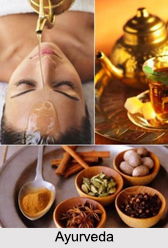
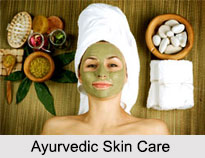
 Ayurvedic Skin Care depends on different skin types in Ayurveda. The first approach to Ayurvedic skin care is to find out the skin type according to Doshas. The skin is the largest organ of the body and is a reflection of the overall health. It is the seat of all the sense organs. Skin feels the touch, pain, temperature and pressure. It gives external covering to the body.
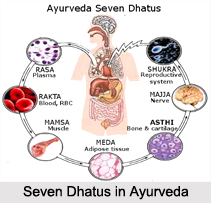
The skin has seven layers which gets nutrition from Mansa Dhatu (muscle tissue). Skin is the Upa Dhatu (secondary tissue) of the Rakta Dhatu (blood). The skin acts as the mirror that reflects the qualities of the Rakta dhatu (blood) and the Rasa dhatu (body`s plasma tissue).
Skin Types in Ayurveda
Every individual have different types of skin that depends on the dhatu and elements. So the treatment should be special according to the quality of the skin. Space, air, fire, water and earth are the predominant elements present in the skin that determines the skin types. The space predominant skin is dry and thinner in texture and has small pores. The air predominant skin is excessive dry and very prone to cold or hot weather. 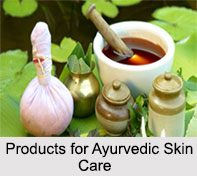 The fire predominant skin has pinkish tone and warm to touch. Water predominant skin type is thick and feels cold to touch and the pores are semi-dilated. Earth predominant skin is firm, thick and greasy.
Ayurvedic Care for Oily Skin
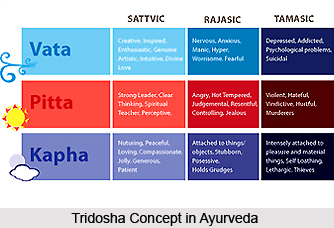
Oily skin generally occurs when Kapha dosha is aggravated according to Ayurveda. It increases the secretion from the oil glands of the skin and the skin pores become enlarged. There are many reasons that stimulate the oil glands to produce excessive oils. Acne and pimples are the general problems of oily skin. Ayurvedic treatment for oily skin provides a specific diet chart and advices to avoid certain types of food. There are also certain home remedies that can be applied in case of oily skin.
Ayurvedic Care for Dry Skin
When Vata dosha is predominant in the skin, the type of the skin is dry. Dry skin is easily injured and looks dull and lifeless in appearance. It has also the threat of early aging. Ayurveda also recommends specific food for the dry skin. It suggests drinking a lot of water and sleeping properly to get rid of the problems of dry skin.
Ayurveda for Healthy Skin
According to Ayurveda, every different types of skin needs different health care routine and different diet chart to maintain the health and glow of the skin. A healthy skin always glows and looks attractive. The health of skin does not depend on the external care only but mostly depends on the inner health of body. So Ayurveda emphasizes on proper diet habit to maintain a healthy and glowing skin.