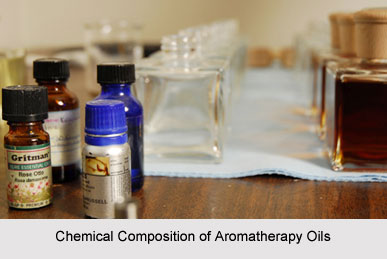
 Over 150 isolated chemical ingredients in an aromatheraphy oils combine to give various effects on the body. A single essential oil can have different therapeutic properties at the same time. Any aromatherapy oil is the combination of following functional groups:
Alcohols: Some of the most beneficial molecules in aromatherapy oils are alcohols. Alcohols are bactericidal (kill bacteria), energizing, vitalizing, anti-viral and diuretic. Linalool and Terpineol are two common Terpene alcohols, which are both germicidal and non-toxic. Aromatherapy oils that are high in alcohols include Rose, Petitgrain, Rosewood, Peppermint, Tea Tree, Sandalwood, Patchouli and Ginger. Alcohols are very wet and slightly heating.
Over 150 isolated chemical ingredients in an aromatheraphy oils combine to give various effects on the body. A single essential oil can have different therapeutic properties at the same time. Any aromatherapy oil is the combination of following functional groups:
Alcohols: Some of the most beneficial molecules in aromatherapy oils are alcohols. Alcohols are bactericidal (kill bacteria), energizing, vitalizing, anti-viral and diuretic. Linalool and Terpineol are two common Terpene alcohols, which are both germicidal and non-toxic. Aromatherapy oils that are high in alcohols include Rose, Petitgrain, Rosewood, Peppermint, Tea Tree, Sandalwood, Patchouli and Ginger. Alcohols are very wet and slightly heating.
Aldehydes: Aldehydes are known to be anti-inflammatory, calming, sedative and anti-viral. Aromatherapy oils high in Aldehydes have a characteristic lemon-like smell, such as Lemongrass, Lemon Balm, Citronella and a variety of Eucalyptus called Citriodora.
Ketones: Ketones are a class of chemicals that are wound-healers and mucolyric (eases the secretions of mucous). Their unique ability to stimulate new cell growth has been utilized in skin care. Essential oils with high Ketone content include Rosemary, Sage, Eucalyptus, Globulus and Hyssop. Ketones also fall in cold and wet category although they are warmer than Aldehydes.
Phenols: A group related to alcohols is the phenols, which are very strongly bactericidal. Apart from being invigorating, warming, potential skin irritants, they are very good booster to immune system. They also can produce slight liver toxicity if taken in high doses for extended periods of time. Pharmaceutically, phenol is used in lip balms and cough drops. Examples of oils that have high phenol content include Clove, Cinnamon, Thyme, Oregano, Savory and Cumin.
Terpenes: Terpenes are very stimulating, potential skin irritants and have anti-viral properties. Pine oil is used to make turpentine. Oils with high amounts of Terpene include Lemon, Orange, Bergamot, Black Pepper, Pine, Nutmeg and Angelica. These essential oils are hot and dry. Terpenes are some of the smallest molecules in aromatherapy, very quick to come to the nose, and very quick to evaporate.
Sesquiterpenes: These are some of the longest carbon chains found in the aromatherapy oils, very thick and tenacious, long lasting in their smell. More than two thousand Sesquiterpenes have been isolated from plants, coming from the root, wood and plants of the composite family, including such oils as blue chamomiles, immortelle, tansy and yarrow. Properties include anti-inflammatory, sedative, anti-viral potentially anti-carcinogenic, bacteriostatic and immune stimulant. The Sesquiterpenes correspond to cold and dry. The long-chain carbon composition and frequent combination with alcohols lessen their cooling effect. Their anti-inflammatory and immune building properties can be beneficial to all types.
Esters: Esters are chemically the neutral most component of the aromatherapy oil. Esters are produced by reaction of an alcohol with an acid. They are anti-fungal, sedative, calming, spasmolytic, fungicidal, anti-inflammatory, and are known as balancers or harmonizers. They can help to normalize any energetic or condition. Aromatherapy oils containing high amounts of esters include Roman chamomile, lavender, Clarysage, Petitgrain and Bergamot.
Lactones: Lactones are an ester group that also has a carbon ring attached; they are some of the most anti-inflammatory compounds known and include the Arnica oil. Some can be stronger mucolitic agents than Ketones. They are grouped with the esters on the graph.
Ethers: Ethers (sometimes called phenyl propane ethers) are very harmonizing to the nervous system. They are antiseptic, stimulant, expectorant (increase secretions), spasmolytic and diuretic. This group includes such oils as Cinnamon, Clove, Anise, Basil, Tarragon, Parsley Sassafras. They are characterized by their very sweet fragrance. This group is a "balancer", though more heating than the esters, their harmonizing effects have application to everyone.