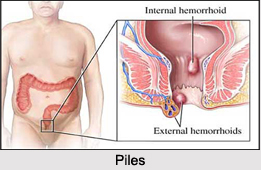
 Piles, also known as "Haemorrhoids" are swelling and inflammation of veins in the rectum and anus. The anatomical term of "haemorrhoids" refers to "a cushion of tissues filled with blood vessels at the junction of the rectum and the anus". Improper cleansing of bowels and putting extra pressure during evacuation creates a strain over the sphincter muscles situated therein. The undue pressure causes the accumulated toxic blood ooze out. Haemorrhoids are usually not dangerous or life threatening but excessively painful. In most cases, haemorrhoidal symptoms will fade away within a few days.
Prolapsed piles are the piles, which descend from the place of origin. These prolapsed piles should be cared for in the initial period itself or otherwise it may get strangulated and become gangrene.
Types of Piles
Many anorectal problems, including fissures, fistulae, abscesses, anal melanoma or irritation and itching, have similar symptoms and are incorrectly referred to as Haemorrhoids. However, Haemorrhoids can be of 2 types and are classified as external or internal.
•Internal Haemorrhoid: Internal haemorrhoids are those that occur inside the rectum. The most common symptom of internal haemorrhoidal radiation is bright red blood covering the faeces. However, an Internal Haemorrhoid may stick out through the anus outside the body, becoming irritated and painful. This is also known as a "Protruding Haemorrhoid".
•External Haemorrhoid: Symptoms of External Haemorrhoids include painful swelling or a hard lump around the anus, resulting in blood clot while passing faeces. This condition is known as a "Thrombosed External Haemorrhoid". In addition, excessive straining, rubbing or cleaning around the anus may cause irritation with bleeding or itching, which may produce a vicious cycle of painful symptoms.
Causes of Piles
Usually this disease develops from constipation and most people suffer with this disorder due to wrong eating habits and lack of physical work. Dietary disorders and intake of more spicy food is the root cause of piles.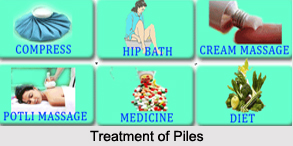
Piles may also develop by frequent use of laxatives and long hours sitting on much hard or soft surface. Hurried eating without proper mastication with disturbed mind, excessive use of non-vegetarian food items, alcohol, tea and coffee etc. disturb the entire digestive system and lend sluggishness to digestive organs and ultimately result in Piles.
Symptoms of Piles
The main symptoms of Piles are burning and pain in anus, itching in the anus, frequent urge for evacuation, discharge of blood due to pressure during evacuation, loss of appetite, yellowish face due to extensive bleeding and feeling of heaviness at the opening of anus. The symptoms of this disease worsen in absence of physical work or exercise.
Treatment of Piles
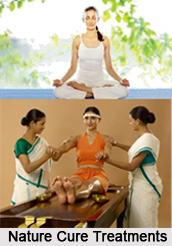
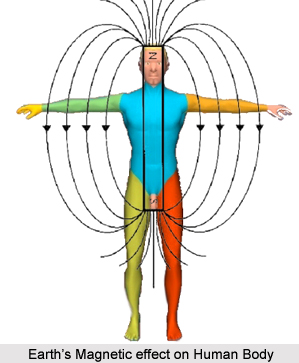
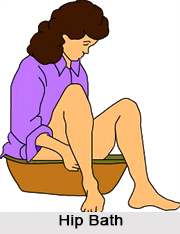
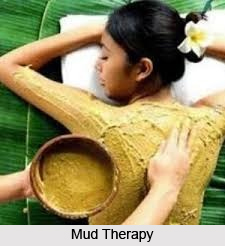
Treatment of Piles by nature cure is recommended at the first place. A patient of Piles should observe fast on lemon juice and honey for 1 or 2 days and then on fruits for 2 to 3 days. Cold water enema may be taken when necessary and the laxatives must be discarded, since it tones ups the bowels by activating them. However, sweets and spicy foods may be stopped immediately. Mud pack over abdomen and over anus and cold water Hip bath are very effective, in this disease. Constant sitting should be avoided as far as possible. Practice of walking in between long sittings is beneficial. Treatment of Piles can also be done by magnetic therapy. Mostly, patients of piles become better with water, dietary routine and correcting the constipation. Care for blood loss should also be taken to avoid anaemia problems during Piles.
Yoga for Piles
Treatment of Piles by Yogic Asanas is also effectual. In Piles, Kunjala and Jala Neti should be practised. After this Udara Shakti Vikasaka exercises along with those for Muladhara Chakra, Upastha and Swadhishthana Chakra may be practised. Practicing Shankha Prakshalanam once a month is beneficial. By the regular practice of Ganesh Kriya the activity of intestine increases and constipation is removed. The practice of Vajrasana, Siddhasana, Guptasana, Gomukhasana, Padangustasana, Paschimottanasana, Sarvangasana and Halasana is also beneficial. The practice of Ashwini Mudra, Moolbandha, Nadisliodhana and Shitau Pranayama is also highly beneficial.