


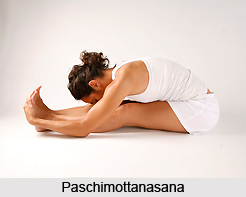
 Paschimottanasa is a cultural asana that helps dyspepsia and other digestive illnesses. It was first described in the Hatha Yoga Pradipika and is one of the widely performed asanas in contemporary yogic practice. Paschimottanasana can help a distracted mind unwind. Paschimottanasa is a cultural asana that helps dyspepsia and other digestive illnesses. It was first described in the Hatha Yoga Pradipika and is one of the widely performed asanas in contemporary yogic practice. Paschimottanasana can help a distracted mind unwind.
Meaning of Paschimottanasana Paschimottanasana translates literally to the intense stretch of the west, or the back of the body. Paschima means west, and Uttana means to stretch. Thus, this asana refers to a seated forward bent by the practitioner for an intense stretch. The term "Paschim" refers to the direction west. "Uttana" literally means intense stretch. Yoga Texts and Paschimottanasana The Hatha Yoga Pradipika (1400 AD), a major text on Hatha Yoga, asserts that Paschimottanasana increases appetite, reduces obesity, and cures diseases. The Hatha Ratnavali (1600 AD) includes it in the list of 84 classic yoga asanas taught by Shiva. A variant of the Paschimottanasana's is described also in the Sri Tattva Nidhi, a 19th century iconographic work compiled in the kingdom of Mysore, Karnataka. Practice of Paschimottanasana A sequential process for performing Paschimottanasana follows: * Sit on the floor with your buttocks supported on a folded blanket and your legs straight in front of you, hands by the side, palms resting on the ground. Fingers should remain together pointing forward. * Press actively through your heels. Rock slightly onto your left buttock, and pull your right sitting bone away from the heel with your right hand. * Repeat on the other side. * Turn the top thighs in slightly and press them down into the floor. * Press through your palms or finger tips on the floor beside your hips and lift the top of the sternum toward the ceiling as the top thighs descend. * Draw the inner groins deep into the pelvis. * Inhale, and keeping the front torso long, lean forward from the hip joints, not the waist. * Lengthen the tailbone away from the back of your pelvis. If possible take the sides of the feet with your hands, thumbs on the soles, elbows fully extended; if this isn't possible, loop a strap around the foot soles, and hold the strap firmly. Be sure your elbows are straight, not bent. * When you are ready to go further, don't forcefully pull yourself into the forward bend, whether your hands are on the feet or holding the strap. * Always lengthen the front torso into the pose, keeping your head raised. If you are holding the feet, bend the elbows out to the sides and lift them away from the floor.If holding the strap, lighten your grip and walk the hands forward, keeping the arms long. * The lower belly should touch the thighs first, then the upper belly, then the ribs, and the head last. * With each inhalation, lift and lengthen the front torso just slightly; with each exhalation release a little more fully into the forward bend. * In this way the torso oscillates and lengthens almost imperceptibly with the breath. Eventually you may be able to stretch the arms out beyond the feet on the floor. * Stay in the pose anywhere from 1 to 3 minutes. * To come up, first lift the torso away from the thighs and straighten the elbows again if they are bent. Then inhale and lift the torso up by pulling the tailbone down and into the pelvis. Most aspirants should sit up on a folded blanket in this pose, and most beginners need to hold a strap around the feet. Extremely stiff students can place a rolled up blanket under their knees. Effects of Paschimottanasana * This posture calms the brain and helps relieve stress and mild depression. * It stretches the spine, shoulders and hamstrings. * Stimulates the liver, kidneys, ovaries and uterus. * It removes constipation, dyspepsia and seminal weaknesses. * Improves digestion. * Helps relieve the symptoms of menopause and menstrual discomfort. * Soothes headacheand anxiety and reduces fatigue. * Therapeutic for high blood pressure, infertility, insomnia, and sinusitis. Precautions in the practice of Paschimottanasana * Your aim is to hold the toes by bending forward slowly and to place the forehead on the knees therefore do not make haste. * Do not force to reach the final position on very first day, if it is found difficult. * Know your limitations and accordingly increase bending forward daily. * Never fold the legs at the knees whether you can bend forward or not. * Those suffering from chronic constipation should not practice it for more than three minutes daily. * Those suffering from ulcer in abdomen should not practice it. * Those practicing it for more than three minutes should resort to the practice of Uddiyana in the middle. * In case of any back injury, perform this pose under the supervision of an experienced teacher. Never force yourself into a forward bend, especially when sitting on the floor. Coming forward, as soon as you feel the space between your pubis and navel shortening, stop, lift up slightly, and lengthen again. Often, because of tightness in the backs of the legs, a beginner's forward bend does not go very far forward and might look more like sitting up straight. The asana is not recommended in case of asthma and diarrhoea. |
| |||



Home > Health > Yoga > Yoga Asanas > Types of Yoga Asanas > Cultural Asanas > Paschimottanasana - Yoga Asana
Paschimottanasana - Yoga Asana
| Paschimottanasana is a cultural asana therapeutic for several digestive disorders, and translates to intense stretch of the west or back in Sanskrit. |
| ||||||||||||||||||||||||||||

