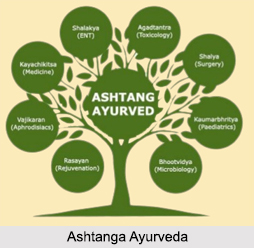
Washing the floor of the houses with cow-dung is an Indian custom which is very unique and interesting; to examine its rationale. So far as it is known no nations other than the Hindus follow this custom. The Mohammedans are rather averse to it though of late some of them convinced of the beneficial effects of the same. Perhaps they have taken to it. At dawn in the morning, the first work which a lady or her servant maid should do is to sprinkle a thick solution of cow-dung after sweeping away the accumulated dirt and rubbish in front of her house. The part is then decorated with designs formed of rice flour. If this is not done in any of the houses, then one may be sure that some calamity has befallen in that house and some one has perhaps died recently.
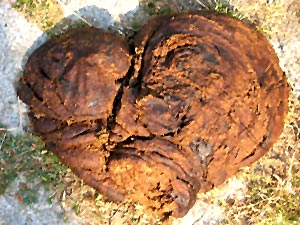
This peculiar custom of washing the floor of the whole house with water and cow dung should be observed at least twice in a week. The days of the week considered highly desirable being Tuesdays and Fridays. On all auspicious occasions the floors coated over with water and cow-dung mixed and well stirred are re-mopped with a piece of cloth and covered over with Kolam or designs formed of rice flour. Some use rice flour that are yellow coloured for the purpose while others make use of a thick solution of fine rice flour obtained by steeping the latter in water. It is also the custom on auspicious occasions like marriage, etc. In such occasion it is to be done in the side of the verandah facing the street covered with broad stripes even about five or six inches in width of white and red colour alternately.
When the floors are washed over with cow-dung and water are not re-mopped but allowed to dry without any rice flour decorations covering them. In such cases it is self-explanatory as either Sraddha or the annual ceremony for the dead is being performed in that house. It can also happen that some one has died a short time ago in that house. The Hindus believe that when water mixed with cow-dung sprinkled or spread over the floors, it removes pollution. In fact the place occupied by a menses woman should be washed with cow-dung and water. The same action should be done in the place where the barber exercised his skill on the crown. Further a house from which a corpse is removed to the cremation ground should be washed with cow-dung and watered thoroughly, before it becomes fit for re-occupation of the relatives of the deceased. The mud wall houses in a village are first coated over with a thick layer of cow-dung solution and then whitewashed if necessary.

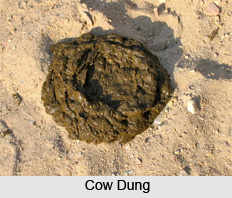 Cow dung is one of the most important materials of the Panchagavya. It is the fecal matter of bovine species. Cow dung is basically the digested residue of the herbivorous bacteria that resides within the animal`s rumen. The cow dung is rich in mineral material. The color is from greenish to blackish. In course of time the cow-dung turns to yellow due to the chemical changes caused by the sunlight.