
Natyacaryas includes the various people who are involved in making and staging of the play. According to the Natyashastra, the poets, directors, stage managers, musicians, scene designers and painters come under the category of Natyacaryas. Among the Natyacaryas, the sutradhara is the chief as he guides actors, arranges the equipments, directs the performance and above all is responsible for the successful presentation of the play.
The Natyashastra states that, the sutradhara should be a master of sciences and arts, know countries and costumes prevalent in them. A sutradhara should be well versed in language, the science of dramaturgy and versification. He should have good knowledge of music, musical instruments, political science, geography, astrology, anatomy, history, law, emotions and sentiments. He should be able to foresee the purport of his own exposition. In addition to all these qualities, a sutradhara should have excellent memory and intellect, and has to be grave and generous. He should be in good health, sweet tempered, self controlled, of a forgiving nature, righteous, not avaricious, truthful and impartial. The sutradhara is the instructor of the actors. In the Uttararamacarita, Bharata is called tauryatrika sutradhara, professor of the three kinds of sangita (instrumental music, song and dance). Thus the sutradhara was an important dramatic personage, controlling the whole company, assuming different roles, sometimes arranging the scenes, sometimes directing the actors and sometimes himself taking an important role in the plays.
According to the dramatic treatises, the sutradhara had two associates, the sthapaka and the pariparsvika. Attributes wise, the sthapaka resembles the sutradhara. Immediately after the preliminaries, another person, similar to the sutradhara in appearance and qualities is to enter and introduce the play, a function which gives him the designation of the introducer (sthapaka). He does not, however, figure in any of the extant dramas and so the duties assigned by the dissertation to the sthapaka must have all been performed by the sutradhara himself.
The Natyashastra prescribes that the qualities and qualification of the pariparsvika is second only to those of the sutradhara. . He is of middle type, of good form, clever and an expert in the performance of his duties. He has full knowledge of instruments. He is an assistant of the sutradhara or the narrator. He come into sight in the prologues of many plays and acts the parts of persons of rank. He receives the sutradhara`s orders, passes them on to other actors and directs the chorus. The Natyashastra also refers to some acaryas, expert in preparing materials required for the stage and proficient in directing actors and actresses.
The mukutakara makes crown for the characters with the help of different materials. Various kinds of head dresses are also prepared by the mukutakara. Ornaments are made by the abharanaakrit and garlands by malyakrit. The vesakara prepares dresses which are dyed by the rajaka. The karuka prepares things out of lac, stone, iron and wood. He is an artisan who prepares different items of stage paraphernalia. The kusilava is an expert in the arrangement of musical instruments and also in playing them. The natyakara leads the characters in a play by directing them in the representation of feelings. The nata is the performer of natya expert in using the four kinds of musical instruments. He is called nata because he represents and imitates the actions of men. He is an authority in the demonstration of sentiments, feelings and bravery.
The natakiya is a beautiful woman who can sing and has the ability to stir up sentiments. She is familiar with the diverse kinds of musical instruments and has understanding of rhythm and melody. The taurika is the head of warriors and trumpeters, a professional in playing all musical instruments. Thus artisans are named according to the duties they are called upon to perform.
Natyacaryas in Indian Theatre
Natyacaryas in Indian theatre deals with poets, directors, stage managers, musicians, scene designers and painters according to the Natyashastra.
Recently updated articles in Indian Drama & Theatre
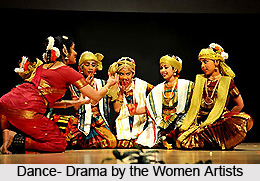
Amateur Theatre
Development of Amateur Theatre has been responsible for useful innovations in theatre culture of Karnataka.
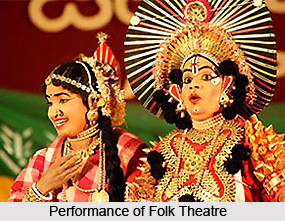
Surendranath Ghosh
Surendranath Ghosh or Dani Babu was a Bengali thespian active during the mid-20th century. He was mostly known for his contributions to Bengal’s moder...
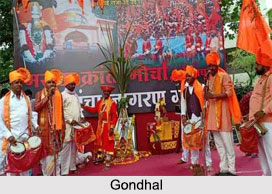
Gondhal Dance
Gondhal is a religious folk dance of Maharashtra. It is performed on special days like when there is a newborn in a family or marriage. Dedicated to g...

Pravritti in Natyashastra
Pravritti in Natyashastra refers to specific human behaviour varying from region to region. There are four types of Pravritti namely, dakshinatya, ava...
Padma Bhushan Awardees (2010-2019)
Padma Bhushan Awardees (2010-2019)
Related articles in Indian Drama & Theatre
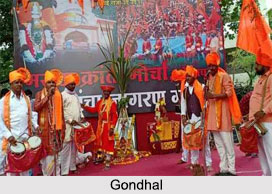
Gondhal Dance
Gondhal is a religious folk dance of Maharashtra. It is performed on special days like when there is a newborn in a family or marriage. Dedicated to g...
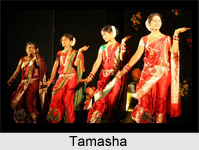
Tamasha Folk Dance
Tamasha is a folk art, which includes the love songs, which are traditional lavanis and dance along with the music.
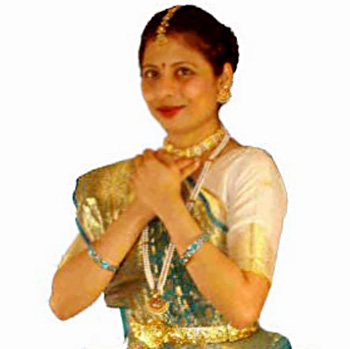
Sringara Rasa
Sringara Rasa is mentioned in Natyashastra as one of the important rasas. The Sthayi bhava in Sringara rasa is Rati or love.
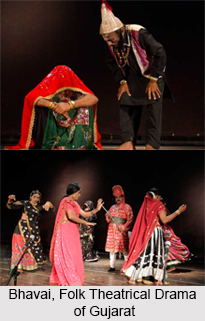
Bhavai - Folk Theatre of Gujarat
Bhavai is a popular folk theatre form of Gujarat that belongs to the tradition of theatre of entertainment.
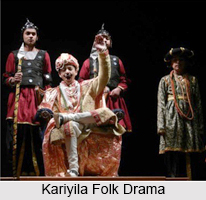
Kariyila Folk Dance
Kariyila is one of the most appealing and popular folk drama forms of Himachal Pradesh, portraying social satire with the accompaniment of folk dance...