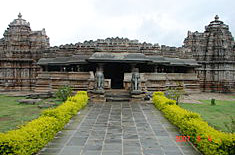
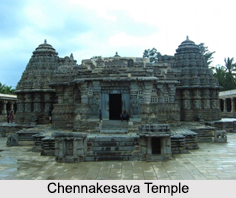
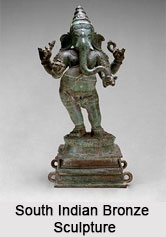
 Features of Vijayanagar sculptures are considered as hybrid as these are a blend of Chalukya, Hoysala, Pandya and Chola styles of architecture. Owing to the combination of such varied styles a unique architectural idiom evolved in Vijayanagar. The combination is quite evident in the ornate look of the temples that are predominantly found in the temples of Tamil Nadu. While for the last 400 years chlorite schist or soapstone was used for the construction of temples and other monuments, the Vijayanagar Empire showed interest in the local granite. This material was harder as compared to the soft soapstone.
However according to historical evidences there are some architectural buildings that have been cared out of soapstone. Though it became difficult to use it for sculpture but it was more durable and the temples, thus build, would be better prepared to bear the ravages of time. Although the features of Vijayanagar sculptures remained more or less the same but the modes of creating them completely differed.
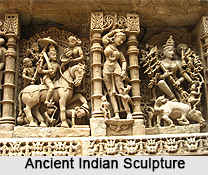
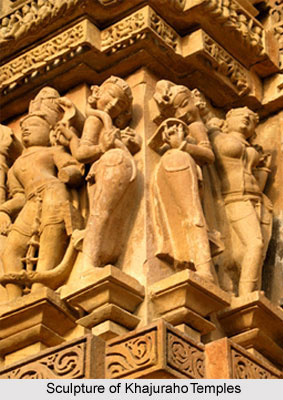
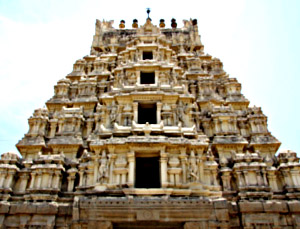
The temple pillars have been beautifully constructed with the help of engravings or hippogryphs. Hippogryphs are the carvings of the charging horses. These sculpted horses are often seven to eight feet tall. There are certain pillars too that do not have such horse engravings. These pillars have been adorned with characters that appear in the Indian mythology. The outer walls of the shrine and court depict scenes from the epics of Ramayana and Mahabharata. There are sculptures on the pillars in the halls, in the panels between the plinth and the cornice moldings of the basement. The gopurams of some of the temples have intricately carved sculpture.
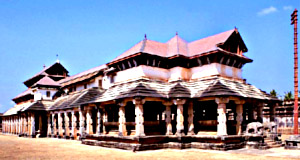 The `mandapas` are decorated with sculpted miniature elephants. Such features of Vijayanagar sculptures render a fantastic look to the temples. In addition to these sculptures there are Yali balustrades too. The palaces were built on raised granite platforms. Friezes make these buildings more beautiful. The sculptures of these friezes comprise the figures of elephants, geese, floral engravings, demon faces and human motifs. The walls and pillars were ornamented with sculptures made of stone or wood. The upper storeys are also decorated with impressive sculptures.