
Brahmo Marriage Act was passed in 1872, aiming to legalize Brahmo marriages. Brahmo marriage act was passed only after declaring that Brahmos were not Hindus and so were not subject to Hindu marriage law. The social radicals fought for the Brahmo Marriage Act as it provided both the privileges of civil marriage freed from Hindu rituals, as well as a legalization of Intercaste marriages. The controversy that evolved from the marriage bill came with other points of conflicts also, as radicals tried to introduce further changes in the role of women. One such personality, Durga Mohun proposed that women should be allowed to sit with their relatives during services at the Brahmo temple. Sen argued against this and after this debate, turned away from his advocacy of social change in accordance with Brahmo Marriage Act. After 1875 he demonstrated a new interest in severely religious issues by organizing a seminar to study different religions and their prophets. Here he found Brahmos from the austere faction who happily joined in this project.
Marital reform among the Brahmo community finally won approval of the government with the enactment of this Act III, the Brahmo Marriage Act. This new tradition of reformed Hinduism is compellingly articulated before orthodox Hindu leaders of Calcutta by Adi Brahmo Samaj president, Rajnarian Bose.
This article is a stub. You can enrich by adding more information to it. Send your Write Up to content@indianetzone.com
Brahmo Marriage Act
Brahmo Marriage Act was passed in 1872 to legalize Brahmo marriages.
Recently updated articles in Weddings in India

Iron pillar of Delhi
The iron pillar of Delhi is a structure 7.21 metres (23 feet 8 inches) high with a 41-centimetre (16 in) diameter that was constructed by Chandragupta...
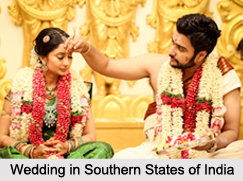
Wedding in Southern States of India
Wedding in Southern States of India depicts fun, revelry and extravagance along with following the basic tenets of the Hindu traditions.
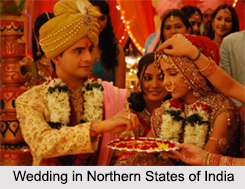
Wedding in Northern States of India
Wedding in Northern States of India includes many customs and rituals performed on the wedding day.

Koachitu Poorathu
Koachitu Poorathu is an Indian traditional form of sport. It is mostly played by the bride and the grooms during the time of marriage.
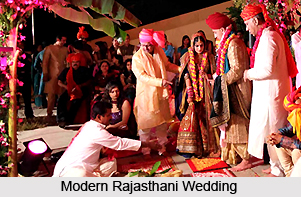
Modern Rajasthani Wedding
Modern Rajasthani wedding comprises vibrant celebrations and exquisite rituals which make the event greatly enjoyable. Dazzling and colourful decorati...
Related articles in Weddings in India
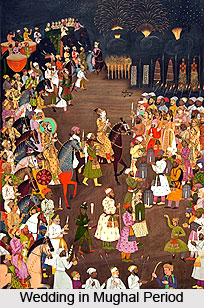
Wedding in Mughal Period
Wedding in Mughal period were a matter of pomp, show and extravagance of the interesting period of Indian History.
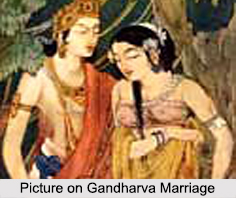
Gandharva Marriage
Gandharva marriage finds enough mention in Hindu mythologies and epics and involves exchange of garlands.

Prajapatya Marriage
Prajapatya marriage is a type of Hindu marriage which includes performance of religious duties jointly by a man and a woman.
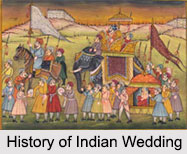
History of Indian Wedding
History of Indian Wedding dates back to the 4th century. Several historical records say that marriage makes the society smoother to function.