
In the state of Kerala, several tribes are found in every hook and nook of the region. Pulaya is quite significant. The anthropologists have incited that these Pulaya tribes , also known as Pulayar, Holeya etc , is considered to be one of the major social groups found here. Very recently, these Pulaya have been bestowed upon the status of a Dalit. Etymologically, the term Pulaya has got significance.
In the archaic literature, Pulaya means the origin of caste or jati system in the whole south Indian Territory. Even in the Sangam "anthologies" which were written down as early as five hundred years ago, in the Christian era, reference of these Pulaya tribes have been made. Pulaitchi (female) and Pulaian (male) are being referred as a gang of people who live closely to the houses of village leaders and were engage in some minor jobs. A popular belief of these Pulaya tribes, especially those residing in the Trivendrum district, is that they have ruled the region in the ancient times.
They further added that in the Pulayanarkotta hill of the Trivandrum, a Pulayar king built his castle in the primitive period. Eminent ethnographers including Edgar Thurston also gave consent to the belief. Unanimously, they have accepted that the Pulayar tribes are descendants of the original native habitants of South India who were being thrown away and also then taken into imprisonment by the encroachers.
As far as the religious practices and norms are concerned, these Pulaya tribes have maintained their unique customs and practices. In fact the Pulaya tribes have retained several pre Hindu practices of the then period. Magic, spirits, "arcane mysteries" are an integral part of this Pulaya tribal community. Due to their treasure house of these mysteries, several people of the Indian society have time and again sought advice from Pulaya shamans, or Manthrikavadi.
The cultural exuberance of this Pulaya tribal society is rightly being depicted in its bounty of music, dance forms etc. It is also reflected in the exquisite crafts works that they have produced. Kolam-thullal is a beautiful mask dance rituals done to free themselves from evil spirits, and the fertility dance another hair dance, better known as Mudi-attam is related to the fertility. Various art forms are popular. Chimmanakali is an art form of Pulaya, prevalent amongst the people of the northern part of Kerala state. Here, Chimmanam signifies humor or chat. Chimmanakali is related to Garbhabali which is called Kannal Kalampattu. The melodious songs that are sung with the performance of this play are called chothiyum pidiym pattu. To make the play really entertaining, these Pulaya artists add humor to the speeches and the story also is presented in a dramatized form. In other words, Chimmanakali essentially is a satirical form of art performed by the Pulaya tribes pinpointing at the social ills.
Margam Kali is an art form popular among the Paliyan tribes especially those residing in Travancore district. This comprises of group dances and martial arts like Parichamuttu Kali. The theme of the songs centers around the life of St.Thomas.
Pulaya people are noted for their pleasant and cordial nature. What is also remarkable is that these Puraya tribes have restrained from adapting to violent means even when they are being invaded or intimated.
Just like any other tribal communities, these Pulaya tribes follow all the rituals associated with the marriage ceremony. Mangalamkali is a dance ritual related to marriage ceremonies. It is a source of amusements at the time of marriage. Usually Pulaya tribes execute it in accompaniment with beautiful musical instruments including Para and Kannupara. The dance is performed in a fast speed.
According to the famous scholar Edgar Thurston, these customs emphasized the fact that the beautiful face of the Pulaya was painted with red and white designs. However, several of these customs are being discarded for the sake of accepting new trends of maintaining the modern culture and tradition.
Pulaya Tribe
Pulaya tribes are acclaimed by all anthropologists of India due to its treasures of art forms.
Recently updated articles in Tribes of India
Arakh Tribe
Arakh Tribe is one of the ancient tribes located in several parts of central India. Their origin dates back to the Tughlaq era. Arakh tribe appears to...
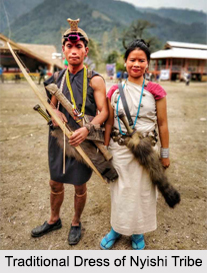
Traditional Dress of Nyishi Tribe
Traditional Dress of Nyishi Tribe is worn during festivals and social gathering. Men wear a cane helmet surmounted with the beak of the great Indian H...
Pasi Community
Pasi is an aboriginal race of India and are mainly distributed over the northern region of the country. The traditional occupation of Pasi is the extr...

Bhojas
Bhojas have been described as a very important tribe in the Aitareya Brahmana. Historical records have said that the Bhojas were settled towards the s...
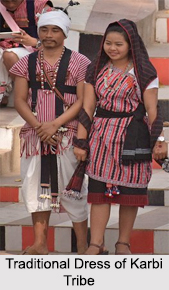
Traditional Dress of Karbi Tribe
Traditional Dress of Karbi Tribe can be easily recognized by the artistic designs inherited from their forefathers. Karbis have their own traditional...
Related articles in Tribes of India
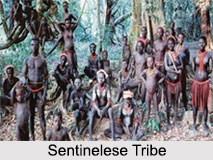
Sentinelese Tribe
Sentinelese tribal community is one of the most isolated and secluded tribes that are found in the whole world.
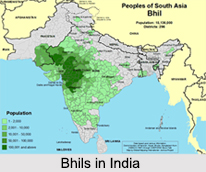
Bhil Tribe
The people of the Bhil tribe are the most widely distributed tribal groups in India.
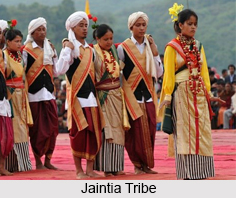
Jaintia Tribe
Jaintia Tribes are located in the Jaintia Hills of Meghalaya. They are also called the Pnars. They are famous for weaving of carpet, making of musical...
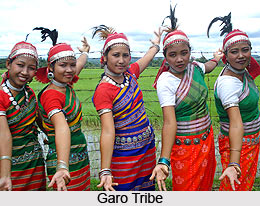
Garo Tribes
Garo Tribes are one of the matrilineal tribes of North-East India who reside in the Garo hills of Meghalaya. Historically, the tribe originated in Tib...
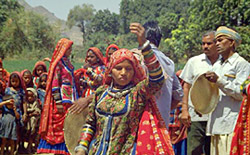
Garasia Tribe
The Garasia tribal community holds a significant position within Indian culture, renowned for their distinctive way of life and rich cultural heritage...