 Dalit theology is a stem of Christian theology that surfaced among the Indian Dalits in the 1980s. It shares many themes with the liberation theology, which cropped up two decades before. The unique aspect of Dalit theology lies in the fact that it believes in Jesus himself being a Dalit or an outcaste.
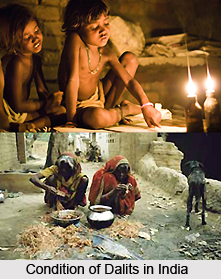
The etymology of the term "Dalit" can be traced back to the 19th century when a Marathi social reformer and revolutionary Mahatma Jyotirao Phule used this term to describe the "outcastes" and "untouchables" as the "oppressed and crushed victims of the Indian caste system". Dalits who represent roughly 20% of the Indian population (200 million), were considered untouchables as a result of the Hindu concept of "ritual pollution and purity". They were also landless agricultural laborers and tanners. They were debarred from using village water tanks and public roads. Temple doors were closed on them.
This dalit concept was also within the Christians. Though Catholics of the lower caste and tribes form 60 per cent of Church membership they have no place in decision-making. The entry of colonialism made it possible for the Dalits to search for new means of protest and liberation. Some Dalits incorporated themselves into the colonial system by joining the army or by serving as apprenticed laborers in British colonies. Several views are expressed regarding the causes for Dalit conversion to Christianity. They vary from the spiritual to the socio-economic.
Indian Dalits in post Independent India sought new avenues of liberation, which became a part of the Dalit theology. One of the best instances of this new wave of Dalit liberation movement was the Dalit Panther Movement in Maharashtra, which made popular the use of the term Dalit. Further there was a rise in the Dalit literature in 1960s. Black American Literature immensely influenced Dalit literary movements. One of the salient features of the Dalit theology is that it is a theology about the downtrodden, "the theology which they themselves would like to expound". One of the major sources of the Dalit theology is the Dalit experience of suffering and pain. The theology has a two fold function. First, it acts in harmony with the aim of liberation. This liberation is a freedom from both the religio-cultural and socio-economic bondages. The theological movements also have a lot of psychological dimensions which are of equal importance.