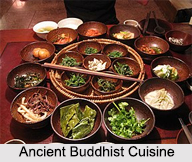
Food in Indus Valley civilization largely depended on some major food crops and cereals that were cultivated by the Indus valley people. The Indus Valley civilization was the earliest civilisation that took a formal structure of a modern day village with well designed and well planned city structure. This was one of the earliest civilizations that came up after the nomadic inhabitants of pre historic India. As such this civilization carried a number of common trends which were similar with its predecessors who inhabited the area. Such common trends include the types of crops that were cultivated by the people of Indus Valley Civilization, the utensils used by them and the type of cooked food items taken by them. All this reflected the trends of the ancient Negroid race and Proto- Australoids who resided in ancient India.
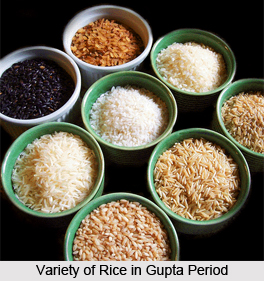
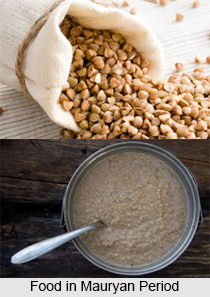
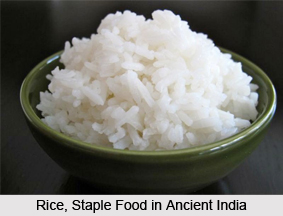
Food in Indus Valley civilization has been predominantly agrarian in which excavations reveal that the Indus valley people were habituated in consuming Barley which was one of the major cereals of the community. While specimens of Barley have been found in the ruins of Mohenjodaro, it has not been proved whether they used to consume rice or not. However the use of rice must have been known to them. Along with Barley the civilisation also cultivated peas and sesamum along with spices of brassica which is very similar to modern day Rai. While these have been major crops of the Indus Valley civilization, the civilisation also reared buffaloes, goat and sheep which prove that milk was major food article for these people. Along with the vegetarian food items the people of Indus valley civilization also consumed meat that was evident from the fact that meat was included in the offerings made for the dead. With the excavation of number of artefacts like sling balls of clay, copper fish hooks, the arrow heads, the flying knives etc strongly prove that these were required to kill and rear animals and birds which were dressed with these instruments and included in their food items after cooking. Their food items as such included beef, mutton, pork and poultry products, the flesh of Gharial or crocodile, turtle and tortoise, flesh of fresh local fishes from nearby rivers and dried fish from sea coasts. The bones and shells in hard form has been found in and around the houses of the Indus valley civilization.
Food in Indus Valley civilization further included a number of fruits which included the fruits like melon, promagranate, coconut fruit and Banana. The people of the valley were habituated in creating ornaments in the shape of various fruits which were found during excavation. The food of Indus valley civilization included spicy recipe as various forms of grinding stones have been found. The tradition of grinding stone has travelled al the way from the Stone Age which still exists in Indian society. The civilization took a number of precautionary steps to store the grains as they built large store houses with raised platforms and ventilating floor. It seemed to have been one of the government policies to secure grains in the granaries of the town. These granaries were built by the coolie labours who resided in two room cottages built in the same style as the rest of the town was planned. The town also depended on a continuous water supply. The water supply in Mohenjodaro and Harappa civilization was drawn from excellently built wells which was distributed all over through various channels was used for both cooking as well as drinking purpose.
Food in Indus Valley civilization was made in the utensils which included earthenware of various kinds and shapes. Most of the potteries were wheel made with fine and smooth appearances that were baked to give it strength. The potteries were painted with black or dark red slips. Such painted potteries included bowls, beakers, goblets, dishes, basins, saucers stands and jars. The excavations also include a number of vessels which are made up of Copper, silver, and lead.
Thus Food in Indus Valley civilization reflect the rural nature of the civilization which also highlight the use of copper, bronze and silver which were not only used for ornaments but also in making utensils that were used for cooking.