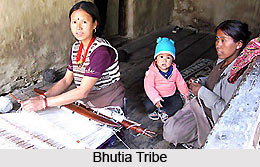
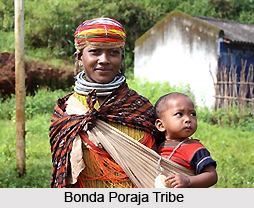
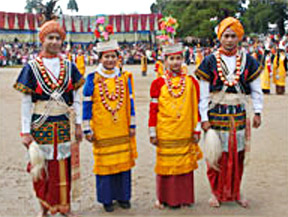
 North-East India is inhabited by numerous tribes. All the tribal communities of this region have their own distinct culture, traditions, language, cuisines and attires. The northeast Indian tribal society is egalitarian in nature. According to Indian aboriginal traditions, the tribal societies inhabit and remain within a definitive and common topography. Tribal society tends to be considerate of humankind, its leadership being based on ties of kinship and temper rather than on hereditary status.
Matrilineal Society of Northeast Indian Tribes
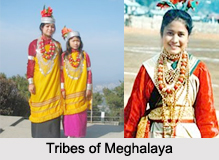
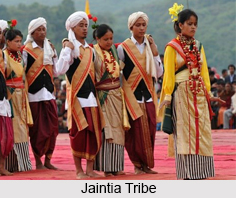
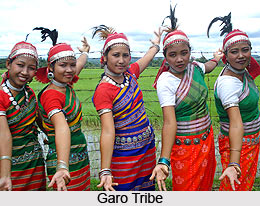
Jaintia, Garo, Khasi and Rabha of Meghalaya belong to the matrilineal society. The female controls the descent, inheritance, succession, authority and residence. Woman has more authority and power to exercise in all matters and issues. Land owned by the matrilineal people can not be transferred to anybody or to any public institution until a woman endorses it. The land, therefore, belongs to the females.
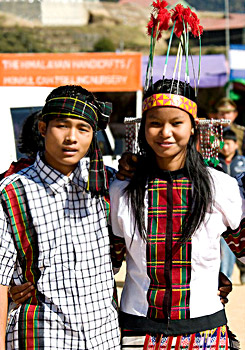 The Khasis in Meghalaya are one of the oldest inhabitants of Northeast India. They belong to the Austro- Asiatic family of the human race. Meghalaya is the only state that is holding a beacon of hope by putting the females on a strong pedestal of society. This is the state where woman power is at its peak. Women are the property holders and keepers of the family purse and other properties. The tribes trace their descent through the mother for the property is handed over to the women, especially the youngest daughter. If the youngest daughter dies, the property is transmitted to the next youngest in age. Such a legacy has empowered the woman to enjoy a position of importance and dignity. She is considered the custodian and preserver of her clan, family and lineage.
In a matrilineal society marriage is strictly exogamous i.e. outside the clan. The institution of bride price does not apply in a matrilineal society. The rigidity of the matrilineal society over time, nevertheless, has become elastic. At present the youngest daughters are also free to move out and live on their own depending on the nature of their occupation, marriage, etc and the parents are been looked after by their other siblings. However, the male line, particularly the mother`s brother, may indirectly control the ancestral property since he may be involved in important decisions relating to property including its sale and disposal. The tribal people of Meghalaya are, therefore, a part of what may be the world`s largest surviving matrilineal culture.
Patrilineal Society of Northeast Indian Tribes
Naga, Mizo and many other tribes are the example of this type society. One gets a different view of life about them, as these regulate their life style and culture in their own way. The land belongs to males. Women are not equal to men in status concerning certain aspects of life. Women are entitled not to get any share in the ancestral property. The society is so strict that it does not permit even a woman to have a share in the property even in the absence of a son. In such cases the property goes to the father`s clan. Though women are well protected they are not given equal treatment not even from their own parents.
Patri-Matrilineal Society of North East Indian Tribes
Dimasa of Cachar hills is an example of patri matrilineal society. Dimasa tribes represent an intermediate cultural stage between the matrilineal and patrilineal types. Matrilineal system among the Dimasa is a later introduction. They follow double descent rules and bilateral inheritance. It is significant to note that Dimasa society is structured around their different descent units which are strengthened by ritual performance at different levels.