Yoga for Sciatica is an effective way to comfort the pain of sciatica. Sciatica is a physical ailment that affects the sciatic nerve, causing a shooting pain starting from the lower back and extending down the back of each leg. The pain of sciatica is very distressing, often making it difficult to sit and walk. Sometimes it is accompanied by a tingling or burning feeling down the leg. Depending on the severity, the pain of sciatica may be continuous or occasional and varies in intensity from mild to acute.
Symptoms of Sciatica
A person suffering from Sciatica experiences a pain in the lower back region which radiates to the inner side of the thigh, back of the knee, calf muscles, ankles and toes. Heaviness, numbness or weakness in the leg may also be felt and movements of the legs become troublesome. During acute condition the patient is generally advised bed rest. They are also advised to walk by taking short steps and placing the complete foot on the ground.
Causes of Sciatica
Sciatica results in pain along the course of the sciatic nerve, which is the longest nerve in the body of human beings. It stems from the lower back and travels down the leg up to toes. The common causes of Sciatica are injury or inflammation of the nerve or the nerve root resulting from metabolic, toxic or infectious disorders. Apart from this, it may also occur due of the compression of nerve root caused by ruptured or bulged intervertebral disc, often termed as herniated disc. This condition arises due to the prolapse of the pulp of the disc. Sciatica may also occur due to a sudden jerk in the lower back while lifting a heavy weight or by any sudden movement. Pregnant women may experience this problem owing to awkward positions maintained for a long time. If the blood sugar is not maintained properly, patients of diabetes are also prone to this condition as a result of neuritis. Osteoarthritis is another disorder which can result in nerve damage and hence sciatica. Smoking and obesity can also increase the likelihood of this disorder.
 Yogic treatment for Sciatica
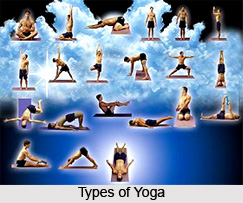
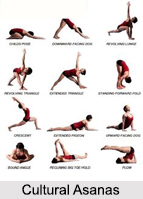
Practicing Yoga for Sciatica can be an excellent way of getting rid of this discomforting pain. The different postures of Yoga can be very helpful to strengthen the abdominal or lower back area of the body. Disc herniation can also be reduced by Yoga. Yogic treatment involves the practice of different yoga `asanas` and poses. Back bend yoga poses include Anjaneyasana (Crescent Lunge Pose) Bhujangasana (Cobra Pose) Dhanurasana (Bow Pose) Salabhasana (Locust Pose) and Setu Bandha Sarvangasana (Bridge Pose). Twisting Yoga Poses include Ardha Matsyendrasana (Half Lord of the Fishes Pose) Bharadvajasana I (Bharadwaja`s Twist) Marichyasana III (Sage Pose) Pasasana (Noose Pose) Parivritta Utkatasana (Standing Chair Twist). Apart from this, other `asanas` like Pavana muktasana with one and two legs, Ardha halasana, Makarasana, Brahmamudra, Parvatasana, Vakrasana, Bhadrasana, Janu Sirsasana, Utkatasana, Tadasana, Chakrasana and Savasana also act as sciatica soothers. Mild Agnisara asana can also be practiced by the patients. The practice of Pranayama and Om recitation is also found to be beneficial for sciatica patients. In pregnancy, minor modifications of the postures may be very helpful.
Although beneficial, Yoga for Sciatica should be practiced according to the severity of condition. It also requires proper training and supervision for best results. Aggressive or improper stretching of muscles may provoke the pain even more and sometimes pose deleterious effects on body. Yoga can be very effective but one has to opt for the right `asanas` that suits his or her body needs.