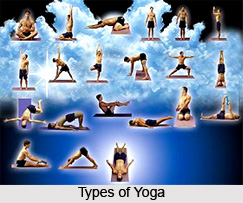
Types of Yoga Asanas are numerous which are based on a number of specific parameters. The most significant contemporary classification of Yoga Asanas is their division into meditative and cultural asanas. However, the classical yoga texts did not use this classificatory paradigm. Yoga plays a vital role in human life. Yoga Asanas help in bringing the mind, body and soul into a meditative state which alleviates a number of health-related problems.
Most of the treatises in the Yogic canon assert that their asanas are a selection from the 84 Classic Yoga Asanas taught by Lord Shiva, and do not further subdivide their asanas into any other category. Meditative asanas are those that aid in the yogi"s meditative and concentration practices, and often involve a comfortable, straight-backed pose that allows the practitioner to sit or stand still while meditating. Cultural asanas are called as such because they form part of a physical culture, developing and maintaining the muscles at optimal strength and flexibility.
Indian Texts on Yoga Asanas
Many classic Yogic texts mention 84 Classic Yoga Asanas taught by Lord Shiva. Some of these asanas are considered highly important in the yogic canon. "Patanjali"s Yoga Sutra" does not mention even a single asana by name, merely specifying the characteristics of a good asana, and it does not attribute any postures to Shiva. Later yoga texts however, do mention the 84 Classic Asanas and associate them with Shiva. The "Goraksha Samhita" or "Goraksha Paddhathi" is considered the oldest extant Hatha Yogic text, and describes the origin of the 84 classic asanas. The "Hatha Yoga Pradipika" specifies that of these 84 asanas, the first four i.e. the Siddhasana, Padmasana, Bhadrasana and Simhasana are highly important. In the "Shiva Samhita" the third and fourth asanas are different; namely the Ugrasana and the Swastikasana.
 The older texts do not make a distinction between meditative and cultural asanas, and do not describe all the 84 asanas of Shiva. In the classic texts, all the asanas form part of a general regimen of spiritual and physical development.
Meditative Asanas
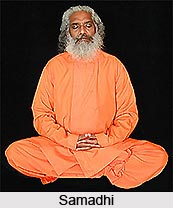
Meditative Asanas are intended to prepare the practitioner to stay for prolonged periods of time without moving the body and without distress. When the body is steady and still for a long period, only then is meditation truly experienced. Deep meditation requires the spinal column to be straight. In higher stages of meditation, the practitioner loses control over the muscles of the body. Initially, people find it difficult to sit in one asana for a long period. However, through regular practice, the legs and hips become flexible enough to comfortably maintain a steady posture. Some of the meditative asanas include Sukhasana, Padmasana, Siddhasana and Swastikasana.
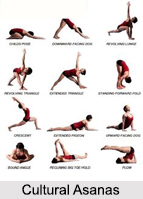
Cultural Asanas
Cultural Asanas are meant for culturing the body and mind. These postures are primarily aimed at maintaining an ideal balance between strength and flexibility in the body muscles, thereby keeping the body healthy. Most of the Yoga Asanas come under the contemporary classification of cultural postures. Cultural Yoga Asanas keep the circulatory system in efficient condition, which ensure constant supply of proper nourishment and of the internal secretions of the endocrine glands, elements necessary for nourishment of tissues. Thyroid, pituitary and the pineal glands are kept active by Yoga asanas like Sirsasana and Sarvangasana. Cultural postures like Bhujangasana, Salabhasana and Ardha Matsyendrasana are effective in keeping the abdominal organs in proper health.