Introduction
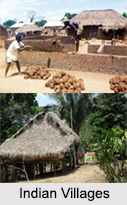 Indian Villages constitute a greater portion of the total geographical area of the country. It is a known fact that a major portion of the India"s total population resides in the villages. The villages of India can broadly be divided according to the regions of their location like Eastern region, Northern region, Southern region, Central region, North-east region and Western region.
Languages in Indian Villages
The original form of most of the ancient languages in India can be found in these villages. The villagers in different zones of India speak in different languages such as Bengali language, Oriya language, Assamese language, Punjabi language, Marathi language, Kannada language, Tamil language, Gujarati language, Telugu language, Hindi language, etc.
Demography in Indian Villages
According to the 2011 census of India, 68.84 percent of Indians live in 640,867 different villages. India has about 500,000 villages that are scattered throughout the country, where the population varies accordingly. Some villages have a population less than 500, while 3,976 villages have a population of more than 10,000 people. In hilly regions of central, eastern and far northern India, villages are more spread out, reflecting the nature of the topography.
Society of Indian Villages
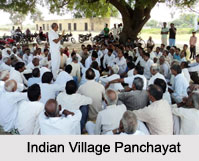
The social structures in the villages of all regions in India are almost the same. Mostly a headman is appointed and the Panchayat, which is composed of important men from the village"s major castes. The Panchayats are decision makers in case of any problem.
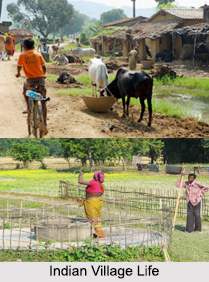
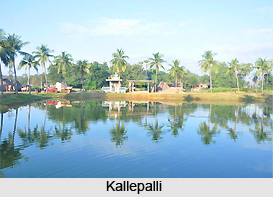
In the Indian villages the people share the common village facilities – the village pond, grazing grounds, temples and shrines, cremation grounds, schools, sitting spaces under large shade trees, wells, village fields and wastelands. The ways of life in the villages of India differ from one region to another.
Occupation of Indian Villages
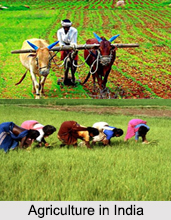
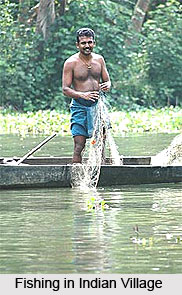
The Occupation of Indian Villages varies according to the regions. In spite of industrialisation reaching most parts of India, majority of the Indian villagers still depend on agriculture to earn their livelihoods. However, many people in the villages of south India depend on fishing or farming. The scenario is different in Jammu and Kashmir. The people of this state are engaged in various arts and crafts and handicraft industries and tourism is also a major occupation in this region.
Religion in Indian Villages
Religion has always been an integral part of society in Indian villages since the ancient period. Out of these numerous religions, there are a few that are followed by people all over India and some religions are restricted to certain regions. India`s most ancient religion, Hinduism is the principal religion in almost all the villages of India and has the highest number of followers. The religion is in practice since the ancient period and has seen many changes so far. Besides Hinduism, the other major religions followed in the Indian villages include Islam, Christianity, Buddhism, Jainism, Sikhism, etc. Apart from these major religions, there are also many tribal religions followed by the tribal communities in the villages of India.
People in the villages of India remain engaged in various types of religious practices on a regular basis. Most of the villages in India have a temple of the village deity and the villagers believe that the village deity will protect them from any kind of natural calamity or other threats. The villagers also established sacred places within their home and often use an entire room as a place of worship. They worship the gods and goddesses and follow various religious customs and domestic rituals as well.
Hinduism is the principal religion in Indian villages. It is followed by people in most of the villages in India and is predominant in the villages of Himachal Pradesh, Chattisgarh, Orissa, Madhya Pradesh, Uttar Pradesh, Bihar, Rajasthan etc. Islam is the second most-widely practised religion in the villages of India. India is home to the world`s third highest Muslim population and a major portion of this population lives in the villages. The largest populations of Muslims live in the villages of Uttar Pradesh, West Bengal, Bihar, etc.
The third most-widely followed religion in Indian villages is Christianity. It is followed by a large number of Indian villagers, who are mostly concentrated in parts of South India, Konkan Coast, North-East India and Central India. The villages of Kerala and Tamil Nadu in South India and Nagaland, Mizoram and Meghalaya in North-East India have the highest populations of Christians in India. Buddhism is another major religion followed by the people in the villages of India. It was propounded by Gautama Buddha and villages in the states of Maharashtra, Uttar Pradesh, West Bengal, Tripura, Sikkim, etc. have the highest populations of Buddhists in India.
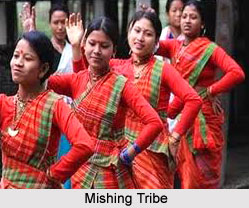
Sikhism is a young, indigenous and monotheistic religious philosophy followed by many people in the villages of India. The philosophy was propounded by Guru Nanak. The religion has its highest populations living in the villages of Punjab, Haryana, Uttar Pradesh, Rajasthan, etc. It is followed by Indian villagers in the other parts of the country as well. Apart from Hinduism, Islam, Christianity, Buddhism, Sikhism, etc. there are also a few other religions in Indian villages. These include Jainism, Zoroastrian religion, etc. There are also a few tribal religions in Indian villages that are followed mainly by the tribal communities. Almost all the tribal communities living in India have their own religious philosophies; however, the Santhal religion is the most widely followed amongst them. The Santhal religion is mostly followed by the tribal communities living in the villages of Orissa, Bihar and West Bengal.
Besides the above mentioned religions in Indian villages, the people also sometimes inhabit a world full of divine and semi-divine beings. They believe in tree spirits (Yakshas), ghosts (Bhootas) and also in puranic, local, personal or ancestral gods. Snake veneration is also an important part of religious beliefs in Indian villages. As a whole, it can be said that religions in Indian villages are a great mix of diverse beliefs and philosophies. The Indian villagers live together without much trouble, in spite of having such a huge diversity in their religious beliefs. The Indian villages are really the biggest examples of "unity in diversity".
Administration in Indian Villages
 The administration in Indian villages can trace its origin back to the ancient period. The current administration structure in the Indian villages was built up by the Mauryan emperors several centuries ago. Since then, the administration in the Indian villages has undergone several significant changes. Different foreign invaders changed the Indian village administration according to their own administrative set-up from time to time. However, the basic administration structure of Indian villages was quite common in the ancient, medieval and modern period.
Gram Sabha
The Mauryan emperors introduced the Gram Sabha system for the first time in Indian villages. This system is considered the base of administration in Indian villages since then. The Gram Sabha in Mauryan period comprised a Headman and a few other members. The Sabha used to take decision about any issues related to the village and they enjoyed several powers. The decision of Gram Sabha was considered Law and the villagers were bound to obey the Sabha`s instructions.
Though the Gram Sabha enjoyed supreme power, the Headman and members of the Sabha had to take some other matters into consideration while taking any decision. The religious customs and beliefs were one of the foremost among them. The Gram Sabha could not take any decision that would violate the laws of religion. Apart from that, the Gram Sabha also had to take decisions considering the cultural aspects of the village life. As the caste system of Hinduism was strictly maintained during that period, the Brahmans used to enjoy most of the powers in Gram Sabha. There were no representatives from lower castes in the Sabha.
The administration in Indian villages witnessed the existence of the Gram Sabha for several centuries. With the course of time, the Gram Sabhas were started to be controlled by the Jamindars or Landlords. The Headman of the Gram Sabha was also bound to report to the Jamindars in certain occasions. During the medieval period, the administration in Indian villages saw the chiefdoms in existence. The Chiefdoms comprised the Gram Sabhas of a few villages and they were under total control of the Kingdom. The Mughals ruled India for a major part of the medieval period and hence, these changes were mainly brought upon by them. This administrative system continued to be in practice in the Indian villages till the end of the Mughal period, with little occasional changes.
Administration under British Rule and Post-Independence
However, the British rulers made some significant changes in the entire administration in Indian villages. The centuries old administration policy of Gram Sabha or local governance in India was demolished by the British rulers and they started to unite all the villages under one umbrella. They actually centralised the entire administrative system of India and hence, the Gram Sabhas or Panchayats gradually started to lose their importance. The British rulers also tried to introduce local self-governments in the villages. They implemented certain general laws for all the local self-governments in the villages.
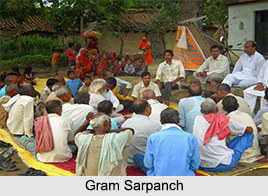 After Independence, the administration in Indian villages partially went back to the administrative structure followed during the ancient period. The Government of India decided to implement the local self-government system in all the villages of India where the villages would be governed by a Panchayat Committee. This committee was somewhat identical to the Gram Sabha. The difference is that the members in the Panchayat Committee are elected democratically through general elections and the adult villagers cast their votes to put their favourite person into the Committee. The Panchayat Committee looks after all kinds of issues related to the village and also tries to establish law and order in the village. In contemporary India, the Panchayat Committees are constitutional bodies that enjoy autonomy in most of its activities. However, they are subjected to contact the State Governments in certain issues and they actually work under the supervision of the State Governments.
Administration in Indian villages is considered one of the most scientifically structured administrative systems of all time. The administration was planned in such a way that people from all strata of the village society could participate in the decision making process. The ancient concept of Gram Sabha is still in existence in the name of Panchayat in the Indian villages. However, the Panchayati Raj System is more democratic in nature compared to that of Gram Sabha system, as the common men elect the members of Gram Panchayat in modern India.
Education in Indian Villages
Education in Indian villages has always been one of the pillars of the society. The Indian people are well aware of the advantages of education since the ancient period and as a result, a proper educational structure was available in most of Indian villages in ancient period. The people used to send their children to schools at an early age and the children received education on different subjects.
In the ancient period, education in Indian villages was in a good state. The backbone of the education system in ancient India was the Gurukul system. The children used to receive education from their Gurus or teachers in the Gurukul. In a Gurukul, the students lived in the house of their Guru. The Gurus taught the students about the religious texts like Vedas, Upanishads and other texts and also gave lessons about archery, sword fighting, gymnastics, etc. The main objective was to make a student fully prepared to face any kind of difficulties in life. The Gurukul system continued to be in existence for a long period and was practised in the medieval period also. The introduction of Madrassa system was an important event in education in Indian villages during the medieval period.
With the inception of colonial rule in India, the Gurukul system started to lose its importance. The British rulers made huge changes in the educational scenario of the Indian villages and they introduced schools that eventually replaced the Gurukuls. They established schools at primary, secondary levels and also established colleges to provide higher education. The subjects taught in the schools were also different from those taught in the Gurukuls. Apart from Sanskrit and Vedic texts, the students started to learn other languages like English. Giving lessons about archery, sword fighting or gymnastics was also demolished with the course of time.
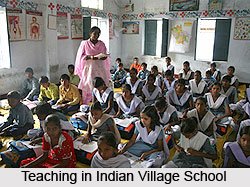
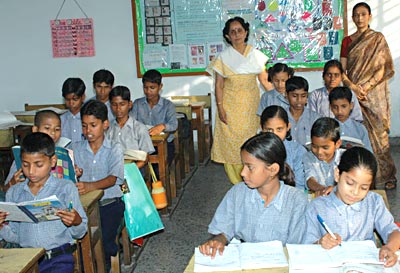 After the independence of India, education in Indian villages witnessed another massive change. The Government of India followed the education system set up by the British to a large extent and established new government schools in the villages. The government viewed rural education as an effective tool for bringing social change through community development. More emphasis was laid on primary education up to the age of 14 years and as a result, many new schools were established in the villages. The children in villages get their primary education from the government primary schools. They are taught various subjects including the languages, mathematics, science subjects, arts subjects, agricultural subjects, housekeeping subjects, etc. The elementary education of eight years has also been made compulsory and free for the children in the villages of India. Apart from that, the government authorities have taken many more steps to further improve the status of education in Indian villages as well.
In the contemporary period, the status of education in the Indian villages has improved a lot in spite of having many obstacles. The rural literacy rate in India is quite impressive and is increasing day by day. The rural literacy has also been taken as a primary agenda by the government and many private organisations are helping the government to serve this purpose better.
Handicrafts in Indian Villages
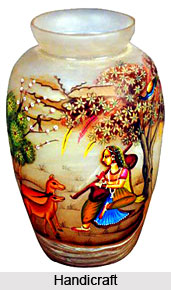 India is one of the richest countries in the world as far as arts and culture is concerned. The Indian people are often involved in making high quality handicraft products. Different types of handicrafts are made in India and have earned significant popularity in the international market. Handicraft in Indian villages is considered one of the major occupations, as many people earn their livelihoods by producing different types of handicrafts.
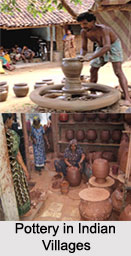
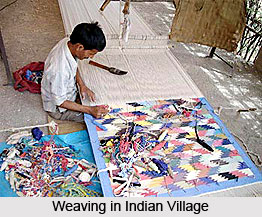
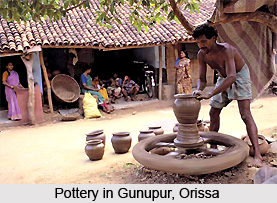
Handicrafts in Indian villages are of different kinds. The major types of handicrafts are pottery, metal craft, gold jewellery, wood craft, shell craft, cane craft, needle craft embroidery, ivory craft, comb craft, glass craft, paper craft, sholapitha craft, weaving, silver jewellery, etc. All these types of handicrafts are considered major sources of income for numerous people in the Indian villages. The artisans create these handicrafts either at homes or in a cooperative basis or on behalf of any big concern involved with the marketing of handicrafts products. The village fairs, melas and festivals are some of the best places for the Indian village artisans to sell their products.
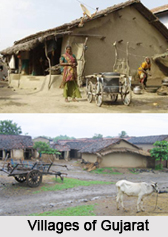
Handicrafts in Indian villages are made for serving various purposes. While some of the handicrafts products are made for daily uses, there are a few that are made for decorative purposes. Villages in different parts of India are famous for producing different types of handicrafts. While the villages of West Bengal are famous for making the handicraft products like Terracotta, Sholapitha craft, etc., the villages of Gujarat are famous for the products like brass and iron items, clay items, wooden furniture, embroidery, silver jewellery, dhurries, carpets, blankets, rugs, etc. The villages in other parts of the country are also famous for making different types of handicrafts products.
Handicrafts in Indian villages are practised since the ancient period. Handicraft is also a major occupation for the villagers since the ancient period. The governmental authorities in India are encouraging people to take up handicrafts as their occupation in the recent years as the Indian handicrafts products bring a huge amount of foreign currency to the country.
Marriages in Indian Villages
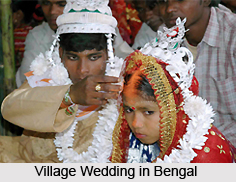 Wedding is known as the most significant social event in an Indian family. Every kind of social and economic obligation is included in wedding ceremonies. True efforts are put in arranging a wedding ceremony. Marriage ceremonies in Indian villages have special charm than the metropolitan and highly decked city marriages. In villages mostly arranged marriages are done. In village marriages the rituals and customs are looked in a more detailed manner. Each and every members of the family are concerned about each and every particulars of the wedding function. Since village marriages are mainly arranged marriages so the bride`s family looks after most of the wedding rules and regulations. As in these types of marriages the venue of the wedding is the bride`s home and may be the adjoined courtyard.
The rural wedding celebration is carried on for a long period of time as the whole family gathers to celebrate the marriage. In village marriages is not only for the family members but also close friends and relatives gather to celebrate. Even people from other villages come and join the wedding ceremony. Unlike the wedding planner in city marriages here the family members takes the entire responsibility to set up everything perfectly. They themselves look after the various departments of marriages. They themselves decide about the menu, the venue decoration and how the guests will be entertained. In these marriages, may be the glamour and gloss may be missing but the fun and enjoyment are constantly found in abundance. As people come and participate in song and dance program, fun and feast.
Earlier in rural societies wanted to get their daughters married in the pre puberty period. This became more of like a rule. But with the passage of time the concept changed. Now this rule is not that rigid and at some villages this practice is totally abandoned. The flexibility and the age of marriage are rising in villages, almost to the levels that are followed in cities. Though the law has decided a minimum age for marriage but such laws experience very negligible effect on real marriage practices.
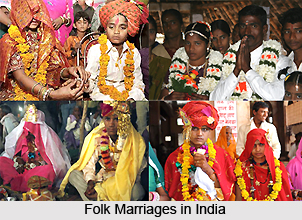 The custom of dowry is a major social evil in most of the rural parts of the country that has disastrous effects on the marriages in villages. This is becoming an increasingly heavy burden for the bride`s family. Although the government has issued so many anti dowry law the system of dowry, it has become an increasing social threat. Thus there are some drawbacks of marriages in villages, however these marriages promises love and affection to its every attendee. If the disadvantages can overcome with many more pleasure and merriment, only then these village marriages will be an affair to cherish.
The Indian marriage system has undergone major changes in the last few decades. Many studies have expressed a development and intensification of dowry and increase in age at marriage. A survey in a village in Tamil Nadu, south India, showed that immense improvement in the style of marriages has occurred in the village after random preaching. Very soon the number of love marriages increased in the village and the marriage also came to a reasonable point. The survey came to the conclusion that these logical conclusions came only after the economic independence and personal autonomy among the younger generation in the village. These denote major changes in the socio-economic organization of the society.
Some parents begin to arrange the marriage on the birth of a child, but most wait until adolescent age. In the earlier times, the age of marriage was quite less and in a few small groups, especially in Rajasthan, children under the age of five are still offered for marriage. In rural communities, pre puberty marriage for girls conventionally was the rule. In the late twentieth century, the age of marriage is rising higher with passing years in villages, almost to the levels that are obtainable in the cities. Legislation mandating minimum marriage ages has been passed in various forms over the past decades, but such laws have little effect on actual marriage practices.
In rural areas, matches between strangers are usually arranged without the couple meeting each other. Rather, parents and other relatives come to an agreement on behalf of the couple. In cities, however, especially among the educated classes, photographs are exchanged, the bride and groom meet each other in the presence of their parents, they exchange few words and then the marriage is fixed after the parents and elders come to a firm decision.
Young professional men and their families may be given inquiries and photographs from representatives of several girls` families. Firstly the relatives go and meet the most promising and chosen brides and then go on tour themselves to meet the young women and make a final selection. In the early 1990s, growing numbers of marriages arranged in this way connected the brides and grooms from India with spouses of Indian parentage resident in Europe, North America, and the Middle East. The marriages in Indian villages till date follow almost all the traditional and conventional rules that are often omitted in the urbanized weddings.
Women in Indian Villages
The position of women in Indian villages has seen many significant changes from the ancient period to the contemporary period. Women have always been an integral part of human civilisation and also of the Indian village society since time immortal. The women enjoyed respect and were equal to men in the ancient Indian society. They also had the chance of getting proper education and they used to take active participation in the decision making process of their family. However, though the position deteriorated during the medieval period, it has been improved a lot in the contemporary period.
The women in Indian villages enjoyed a high status in the ancient period. The works by great Indian grammarians like Patanjali and Katyayana suggest that the women were properly educated during the early Vedic period. The Rig-Vedic verses also suggest that the women used to marry at a mature age and were also independent to choose their husband. The mention of women sages like Gargi and Maitreyi in Rig Veda and Upanishads proves the high educational status of women in Indian villages. The women also had the chance of getting lessons in archery, sword fighting, gymnastics, etc. The women in Indian villages were active in doing their household works and sometimes contributed to the overall income of the family as well.
However, the status of women in Indian villages changed significantly during the medieval period. Many evil practices like Sati, child marriage, ban on widow marriages, etc. were practised extensively during this period and the Muslim conquest in India also brought the Purdah system in the Indian villages. The women were forcefully burnt with their dead husbands and made Sati, they were given in marriage at an early age of only 4-5 years and the young widows were also not allowed to remarry. However, in spite of all these obstacles, many women in the Indian villages became successful to administer villages, towns, divisions and also heralded social and religious institutions during that period. Doing household works was always the duty of women in Indian villages and they sometimes went to the fields to help their husbands in agricultural works as well.
During the British rule, the status of women in Indian villages improved a lot. Various social movements were made by the great social reformers like Raja Ram Mohan Roy, Ishwar Chandra Vidyasagar, Jyotirao Phule, etc. to improve the status of women in Indian villages. The British governmental authorities also helped them a lot in uplifting the position of women. The Sati practice was abolished mainly due to the efforts made by Raja Ram Mohan Roy. The continuous efforts of Ishwar Chandra Vidyasagar improved the condition of the young widows in the villages and the Widow Marriage Act was implemented in 1856. The overall educational condition of the women in Indian villages was also improved a lot during the British period. Another significant improvement in the status of women in Indian villages was that they got their political rights and later played an important role in India`s independence movement.
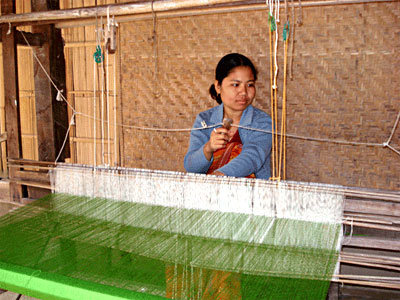 In the contemporary period, the status of women in Indian villages is quite impressive. The women can now participate in all types of activities like education, politics, media, art and culture, service sectors, science and technology, etc. The women are also taking part in many social movements like anti-liquor movement or anti-molestation movement. The women in Indian villages have many chances of getting education and they go to the government primary schools in numbers. As a result, the women literacy rate in the villages of India has increased significantly in the recent years.
Apart from education, the women in Indian villages are getting involved in different types of occupations as well. Today`s women in Indian villages not only take care of their household works, but also do a lot of things to contribute to the family`s total income. They are engaged in the occupations like arts and crafts or handicrafts, making potteries, doing paintings, etc. and they are actively involved in animal husbandry, as well. In this way, they are contributing a lot to the overall income of the family and ensuring further well being of the family.
As a whole, it can be said that though there have been significant changes in the status of women in Indian villages since the ancient period, they are in a good state at the moment. Many women coming from the villages are establishing themselves in various fields and this is undoubtedly a bright sign for the future of India.